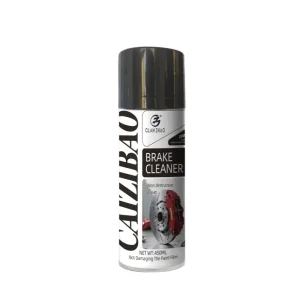
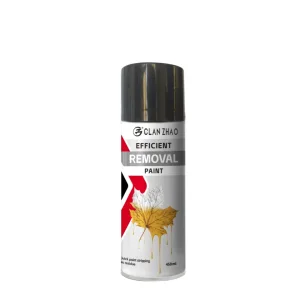
Premium quality manufacturing for building insulations, automotive maintenance, and specialized industrial workflows.
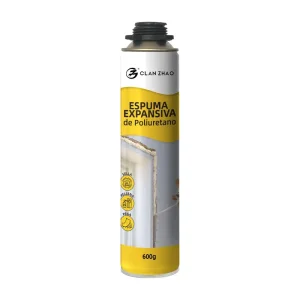
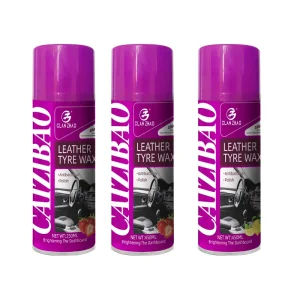
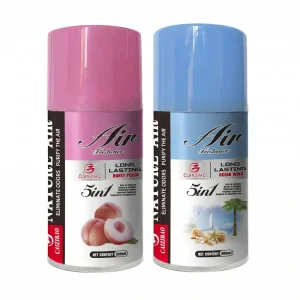
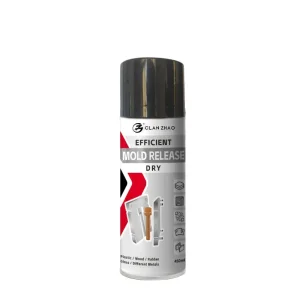
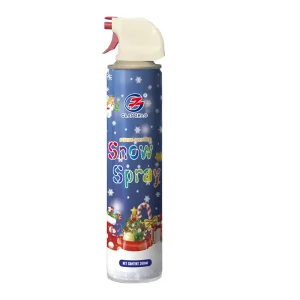
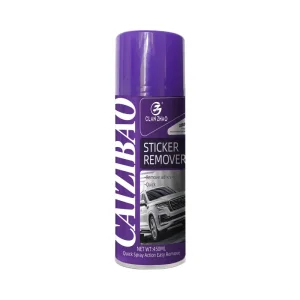
Operating as a specialized, wholly-owned foreign trade subsidiary of Linyi Xingguan Fine Chemical Co., Ltd., Shandong ClanZhao New Material Technology Co., Ltd. represents the absolute forefront of advanced aerosol technologies, polyurethane chemical syntheses, and global cross-border operations.
Based in Linyi, China’s logistics hub, our parent company has engineered a massive blueprint over the past two decades, specializing in high-performance aerosol formulations. Our technical footprint spans the complete R&D lifecycle: from the chemical molecular synthesis of prepolymers and polymers, through precision automated gas-liquefaction filling, to complex dangerous goods logistics compliance.
We bridges the gap between advanced Chinese chemical manufacturing capacity and the meticulous localized compliance needs of international contractors, brand owners, and industrial distributors. By integrating advanced academic research collaborations with highly automated factory systems, we guarantee high-efficiency outputs matching ASTM, EN, and ISO global standards.
High-velocity industry insights for supply chain managers, procurement directors, and building material wholesalers.
Net-zero energy building codes (like the EU's EPBD and America’s ASHRAE 90.1) mandate superior thermal resistance values (R-values). Expanding PU foam acts as the most cost-effective solution for eliminating thermal bridges in structural envelopes, driving consistent volume growth across Western and emerging markets alike.
Regulatory frameworks such as REACH (Europe) and TSCA (USA) are targeting blowing agents. Exporters must transition from traditional hydrofluorocarbons (HFCs) to Hydrofluoroolefins (HFOs) and eco-friendly hydrocarbons (such as Propane/Butane/DME mixtures) to satisfy low Global Warming Potential requirements without compromising cell structural stability.
Polyurethane aerosols are categorized as dangerous goods (Class 2.1 Flammable Gases / UN1950). Sourcing from uncertified mills leads to customs seizures and high ocean freights. Top-tier exporters must provide certified dangerous goods packaging, strict pressure vessel test records, and comprehensive, localized SDS.
Resolving practical jobsite performance failures through advanced prepolymer chemical formulations.
Many distributors experience product failure when importing standardized PU foam due to regional climate shifts, inconsistent pressure yields, and shrinkage. Shandong ClanZhao solves these mechanical inconsistencies at the chemical design stage.
| Parameter | Specification Value |
|---|---|
| Curing System | Moisture Curing (1K System) |
| Tack-Free Time | 8 to 12 Minutes (+25°C / 50% RH) |
| Cutting Time | 45 to 60 Minutes |
| Thermal Conductivity | 0.030 to 0.037 W/(m·K) |
| Density (Cured) | 15 to 25 kg/m³ |
| Fire Resistance Class | DIN 4102 B2 / B3 Optional |
Highly adaptable formulations and private labeling matching diverse industrial requirements.
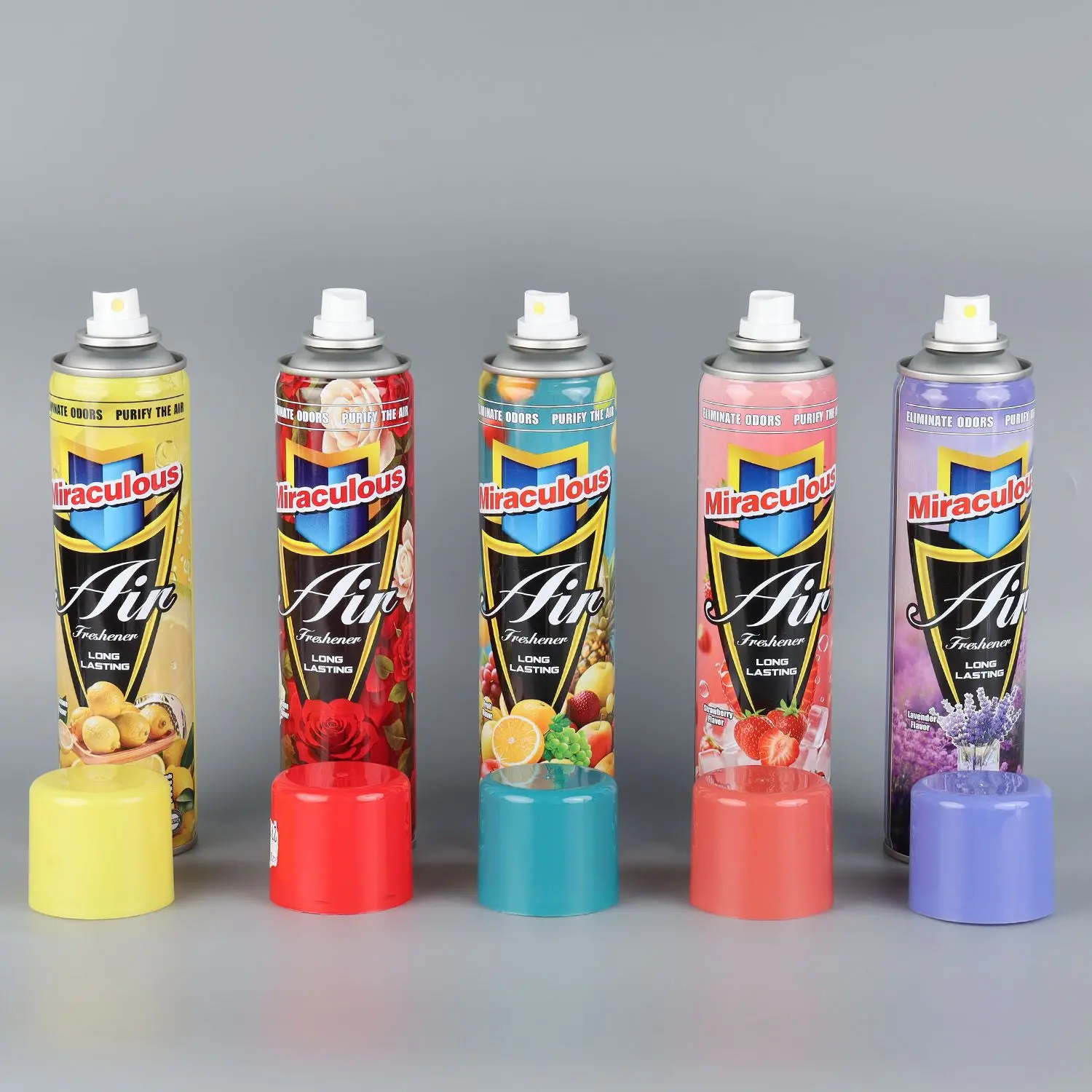
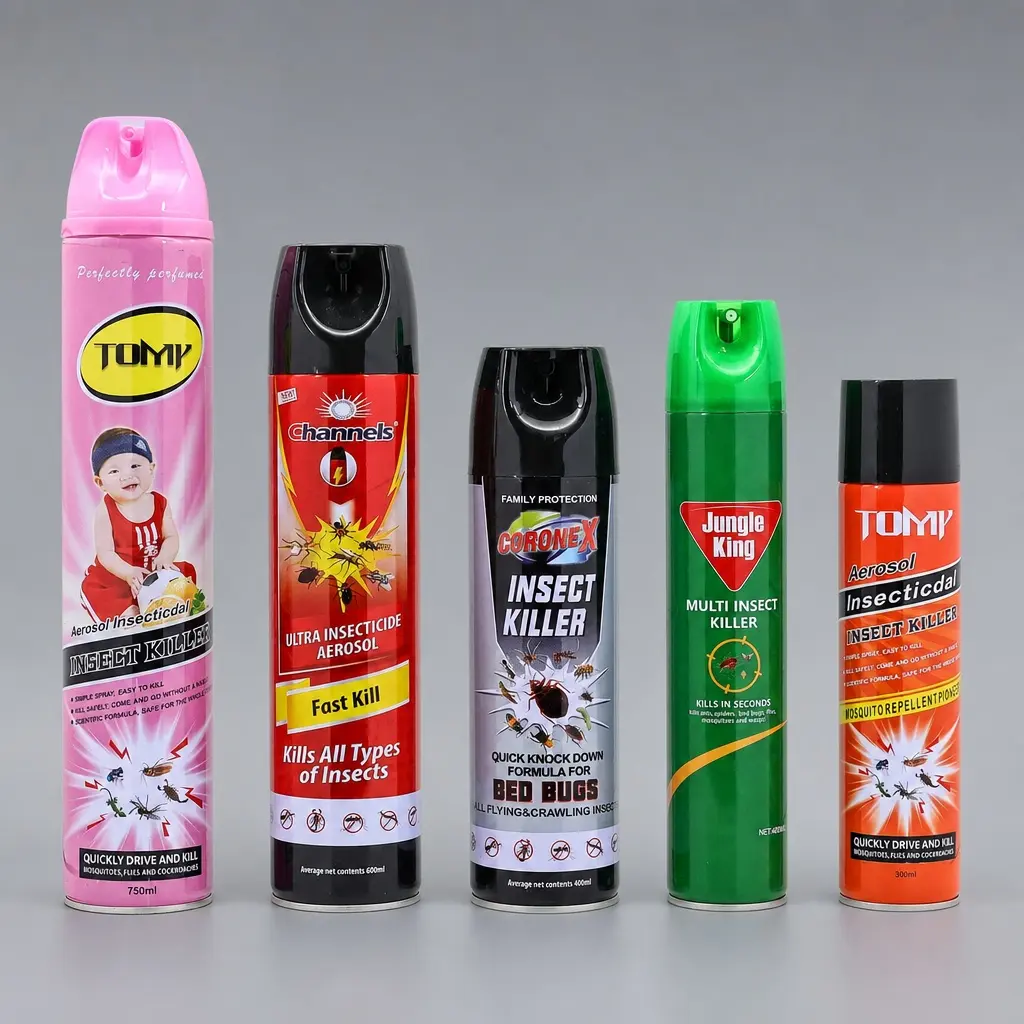
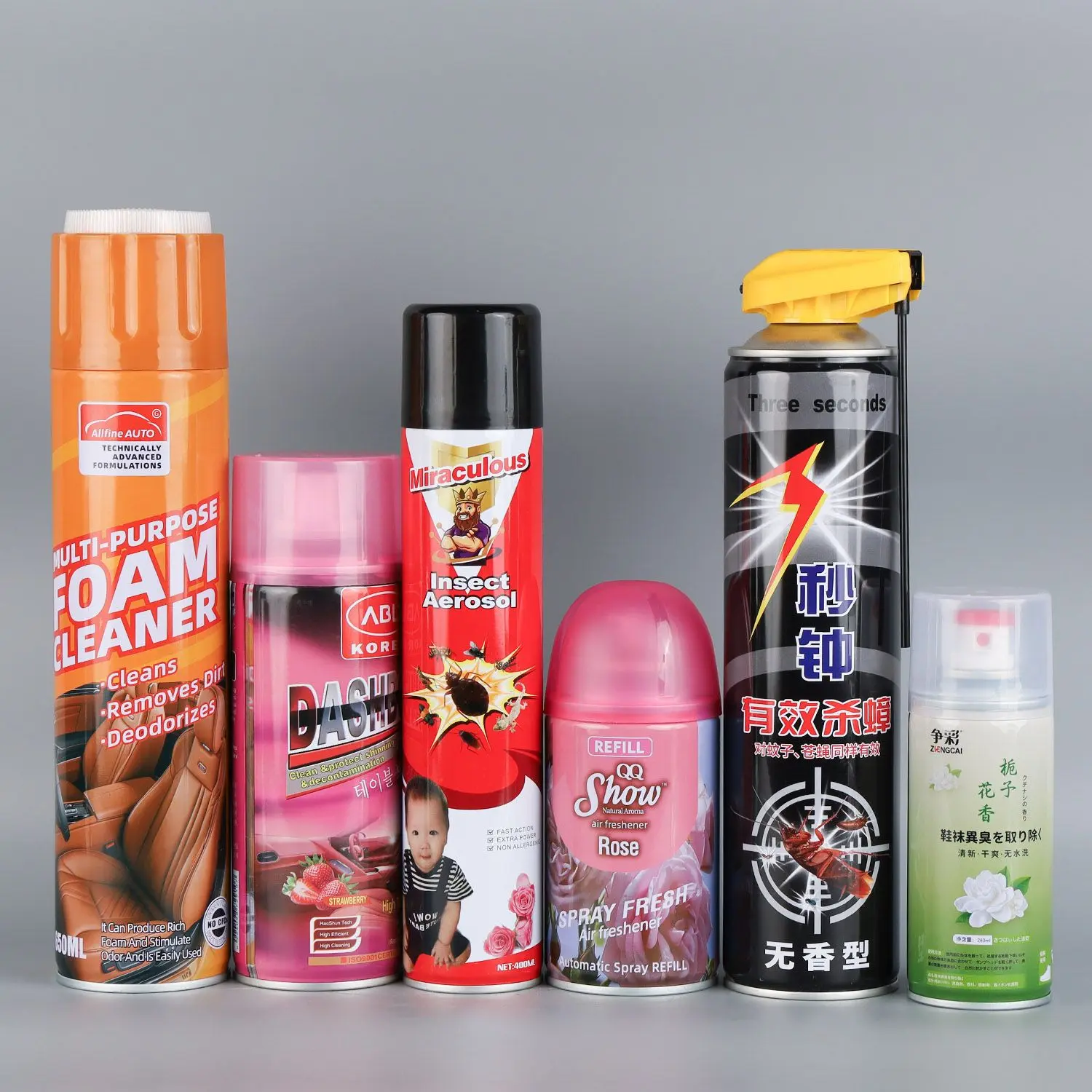
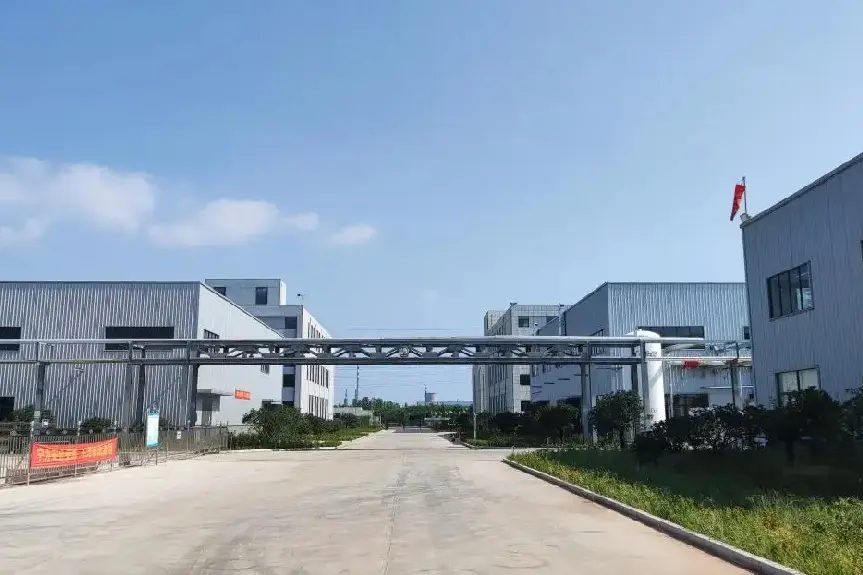
Operating across a 100,000 square meter chemical industrial park equipped with international safety controls.
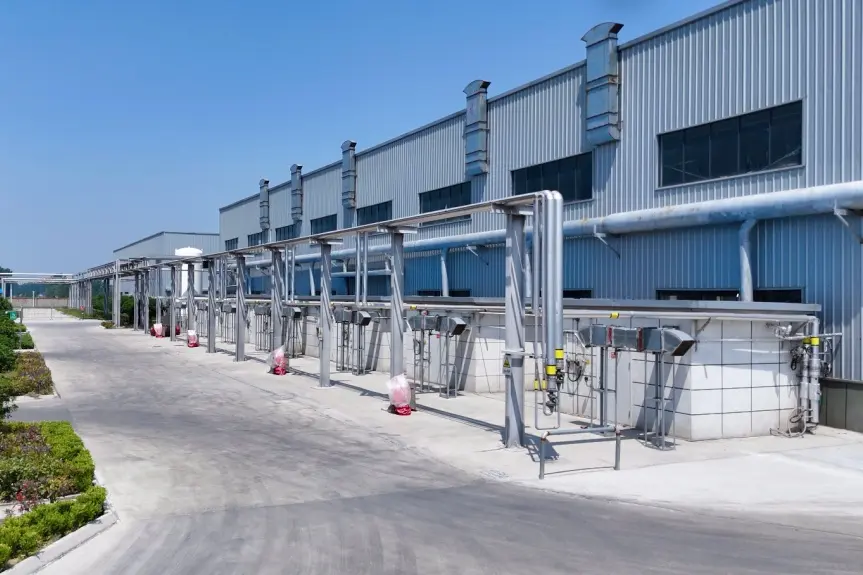
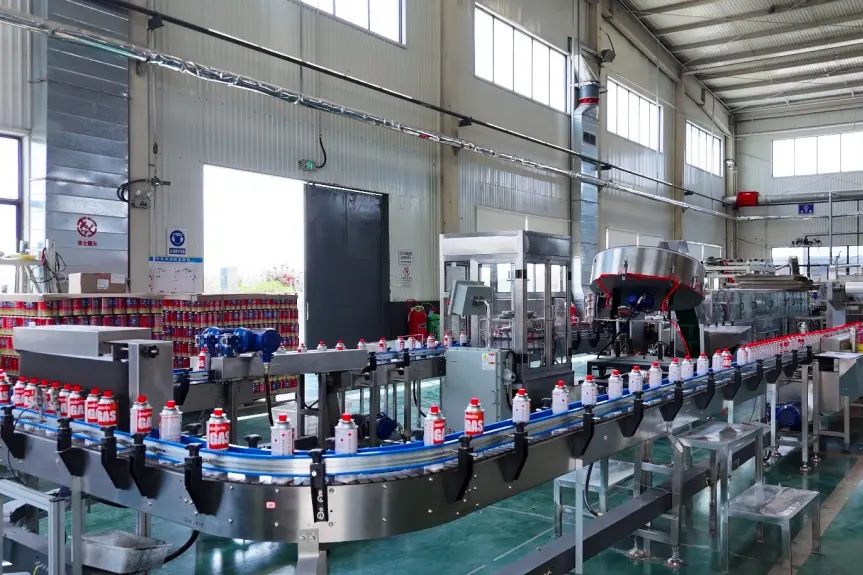
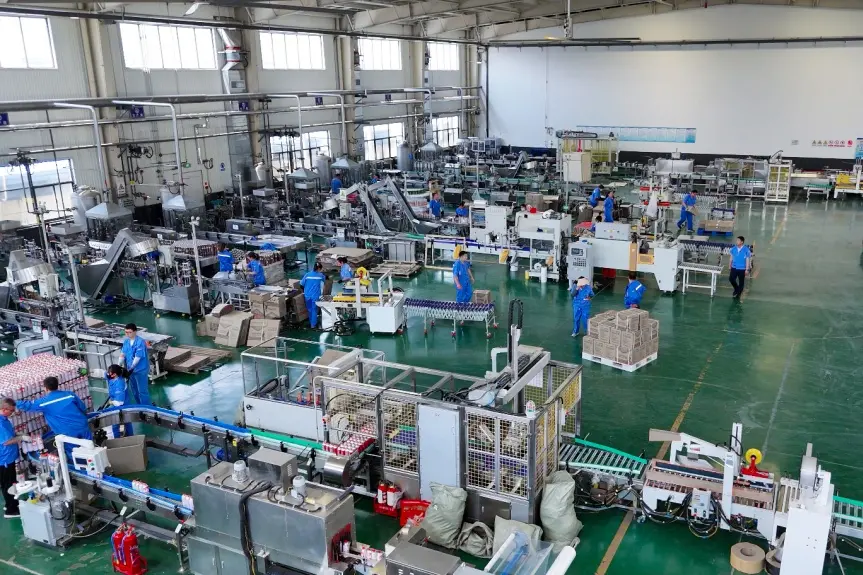
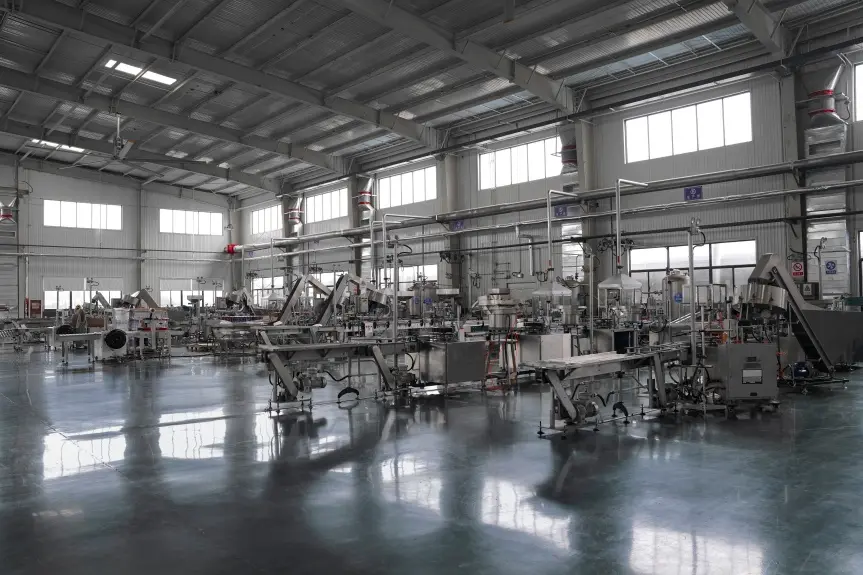
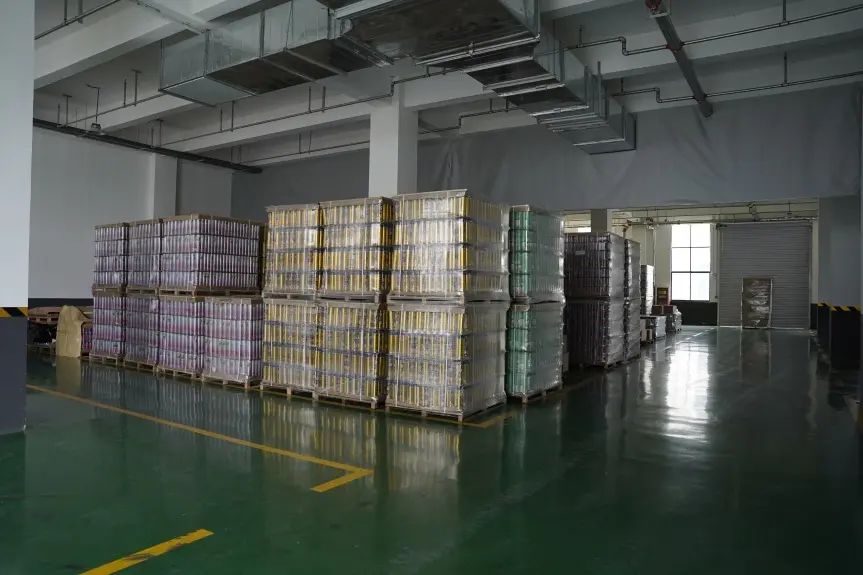
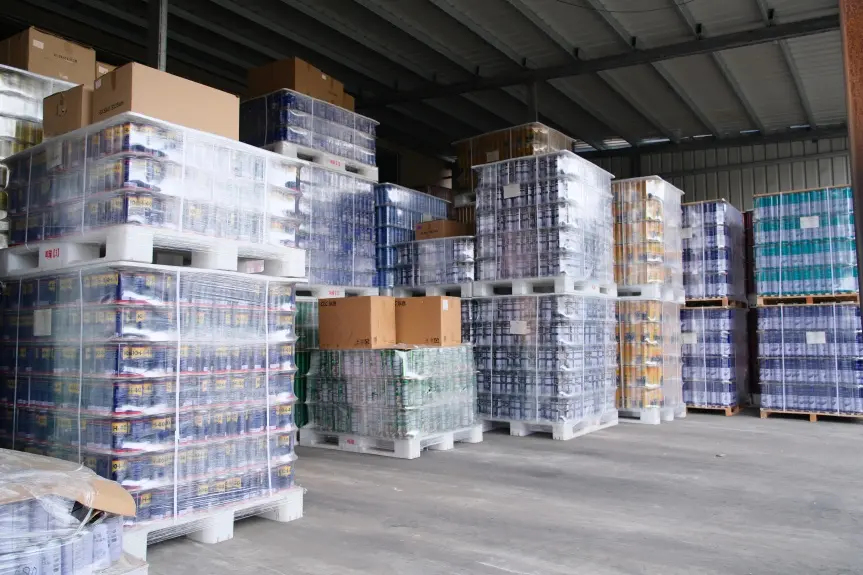
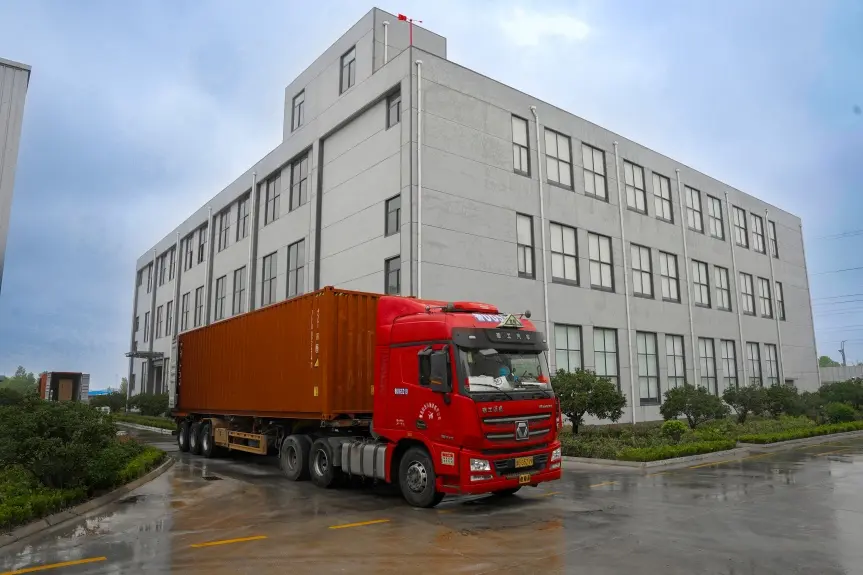
Supported by Linyi Xingguan’s raw materials sourcing matrix, our facility manages formulation controls at every phase. We collaborate with national engineering labs to test prepolymer cross-linking under different environmental variables, ensuring consistent physical characteristics and stable performance for global distributors.
Meeting regulatory compliance and customs parameters for secure chemical supply chains.
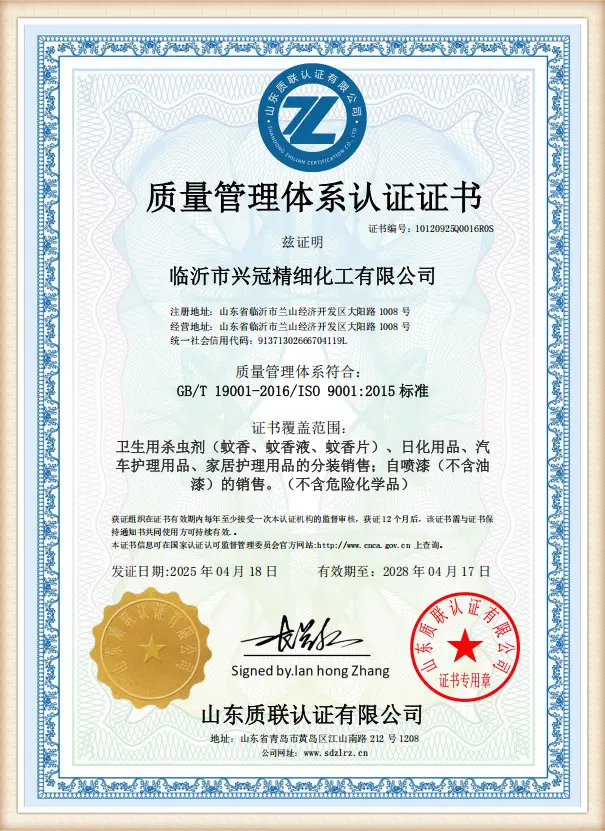
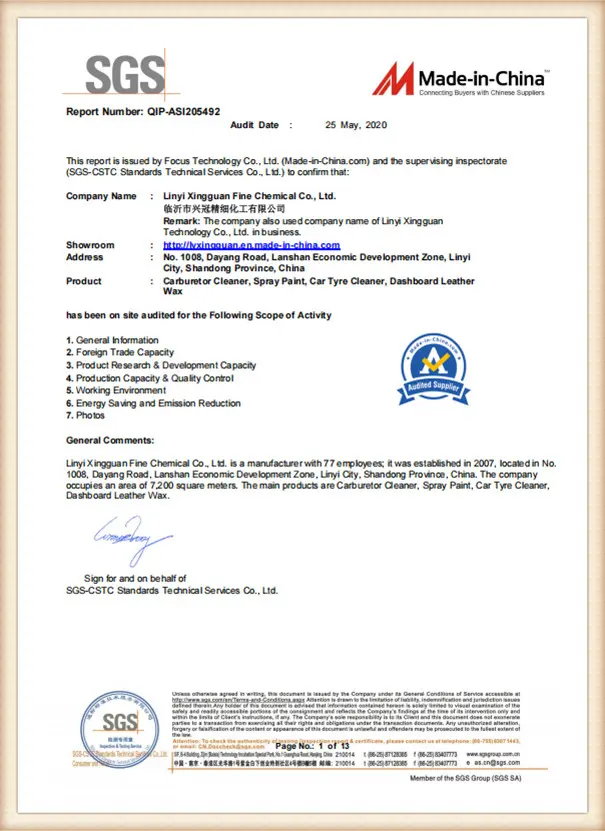
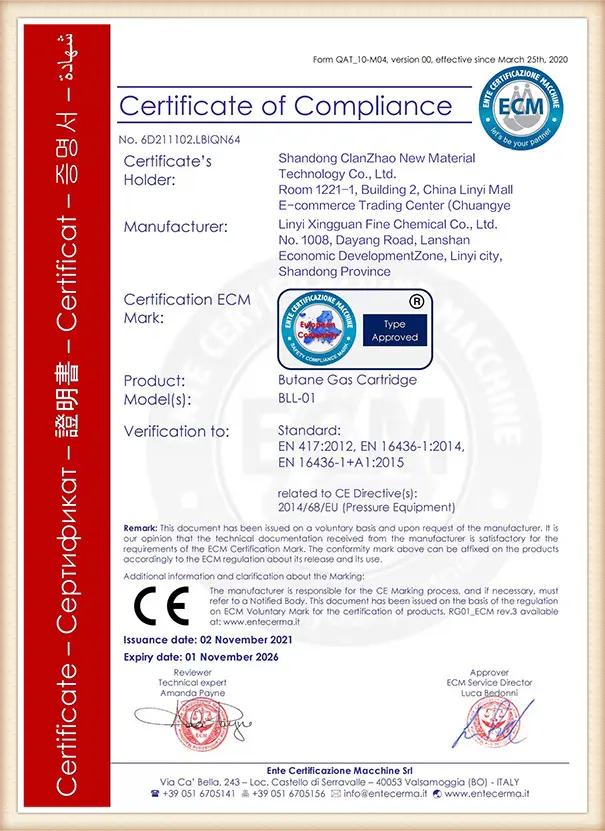
Shandong ClanZhao is fully licensed to manufacture and export pressurized hazardous goods, including UN1950 Aerosols. Many exporters struggle to secure dangerous goods packaging certifications, leading to border delays or seizures. ClanZhao provides full cargo compliance: custom UN-rated cartons, pressure-leakage validation, and localized Safety Data Sheets (SDS) matching GHS standards for North America, Europe, Oceania, and Latin America.
Direct insights from our joint chemical engineering laboratories on the future of green polyurethane sealants.
Moving toward ultra-low free MDI monomer content (<0.1% by weight), keeping our products exempt from the European restriction mandates and enhancing applicator workplace health protection.
Developing next-gen prepolymers using bio-sourced polyols derived from vegetable oil extraction, decreasing carbon footprints while maintaining high tensile strength and adhesion.
Transitioning toward fourth-generation Solstice® HFO liquid blowing agents. Reducing global warming potential values near zero to comply with the Kigali Amendment and local green building standards.
Re-engineering expansion dynamics to secure denser closed-cell distributions, improving acoustics and boosting thermal values without increasing canister weights.
Direct, technical answers resolving critical sourcing and application questions for chemical distributors.
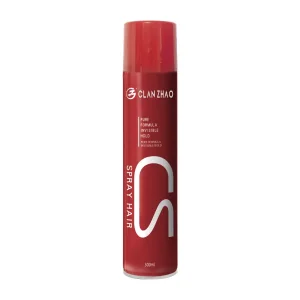
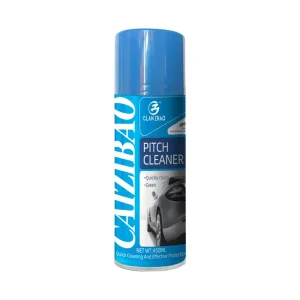
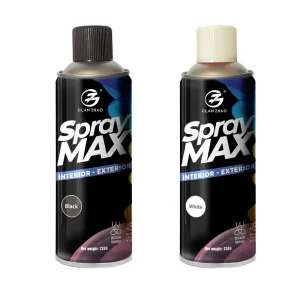
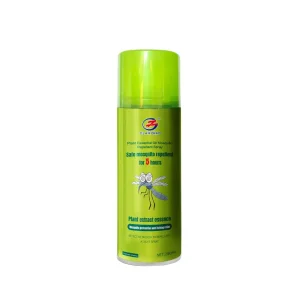
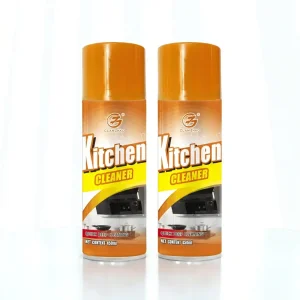
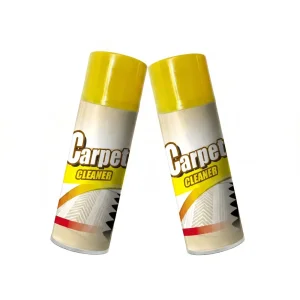
Explore our wider chemical line, manufactured to the same ISO-certified quality standards.
 ClanZhao New Material