Direct supply of high-yield polyurethane sealant formulations and fast-acting commercial chemicals engineered to withstand Melbourne's distinct coastal climate fluctuations.
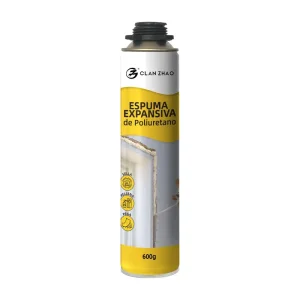
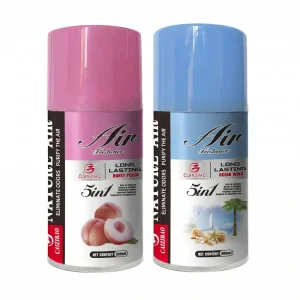
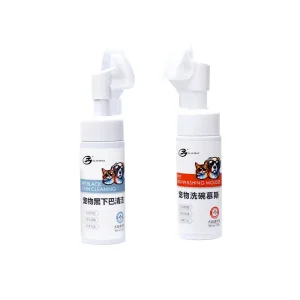
Shandong ClanZhao New Material Technology Co., Ltd. serves as the specialized foreign trade arm wholly-owned by Linyi Xingguan Fine Chemical Co., Ltd. We operate at the forefront of the high-end fine chemical sector, driving innovations in aerosol manufacturing, expanding polyurethane foam formulations, and cross-border commercial exports.
For close to two decades, our parent enterprise has forged dynamic chemical architectures, providing end-to-end industrial solutions. Supported by deep-tech formulation labs and strategic partnerships with tertiary institutes, we continuously refine physical and chemical properties such as expansion ratios, open/closed-cell structures, fire ratings, and curing speeds to address the exact demands of regional markets like Victoria, Australia.
Understanding the architectural demand, weather patterns, and local construction codes driving the procurement of premium polyurethane foams.
Australia's National Construction Code (NCC) 2022 enforces strict building energy ratings (7-Star energy rating). Our PU foams exhibit a thermal conductivity of ≤ 0.035 W/(m·K), drastically minimizing thermal bridging and uncontrolled air infiltration in both light timber frame and concrete panel constructions across Melbourne.
Melbourne is renowned for "four seasons in one day." Sudden thermal drops require sealants with superior shear capability and dynamic elongation-at-break. Our polyurethane foam is designed with a dense polymeric structure that avoids shrinkage, maintains mechanical elasticity, and resists moisture penetration.
For Melbourne's urban apartments (e.g., Docklands, Southbank), minimizing noise transfer between structural components is critical. The high acoustic absorption index of our PU foam controls localized noise resonances, establishing vital compliance with Class 2-9 multi-residential acoustics standard.
Across Melbourne's metropolitan manufacturing centers—from Dandenong and Campbellfield to Tottenham—procurement officers demand certified chemicals. Expanding PU foam must operate efficiently on common building substrates such as aerated concrete, structural steel, structural timber, glass-faced gypsum boards, and fiber cement cladding. Direct factory-sourcing routes allow commercial distributors to mitigate high inflationary costs while maintaining an uninterrupted supply chain.
Engineered for high performance, ease of application, and compliance with modern architectural codes.
| Performance Characteristic | Typical Laboratory Values | Test Methods & Standards | Melbourne Application Relevance |
|---|---|---|---|
| Cured Density | 18 - 28 kg/m³ | GB/T 6343 / ASTM D1622 | Guarantees low weight with robust cell matrix. |
| Thermal Conductivity | ≤ 0.035 W/(m·K) (at 25°C) | GB/T 10294 / EN 12667 | Provides structural compliance under NCC 2022 thermal targets. |
| Tack-free Time | 8 - 15 minutes (25°C / 50% RH) | ASTM C1620 | Enhances job site speed in erratic Victorian weather. |
| Cutting Time | 35 - 50 minutes (25°C / 50% RH) | Internal Test Standard | Ensures efficient construction and project turnaround times. |
| Closed-cell Content | > 70% | ASTM D2856 | Optimizes resistance against water vapor permeation. |
| Dimensional Stability | ≤ 2.0% (at 23°C / 48 hours) | GB/T 8811 | Prevents shrinking, avoiding structural air leaks over time. |
| Service Temperature Range | -40°C to +90°C (Cured) | Industrial Standard | Resists both summer heatwaves and sub-zero winter mornings. |
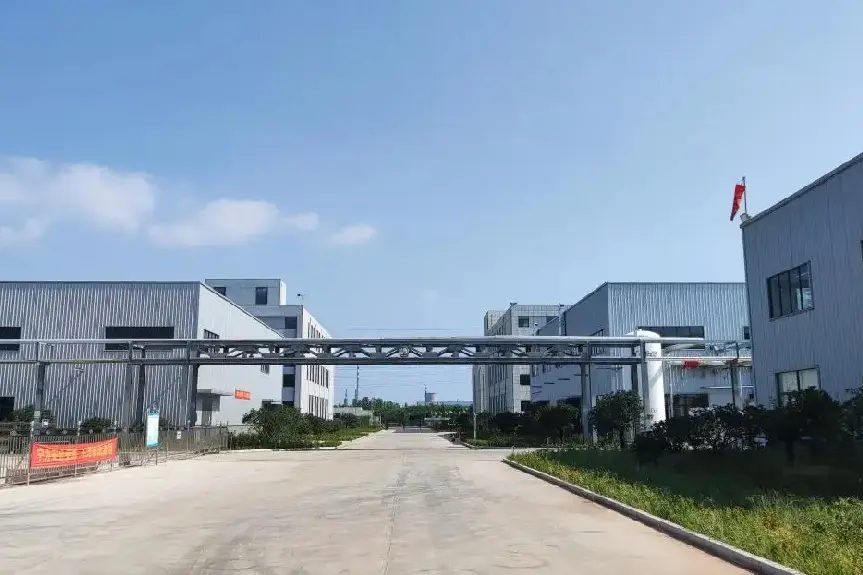
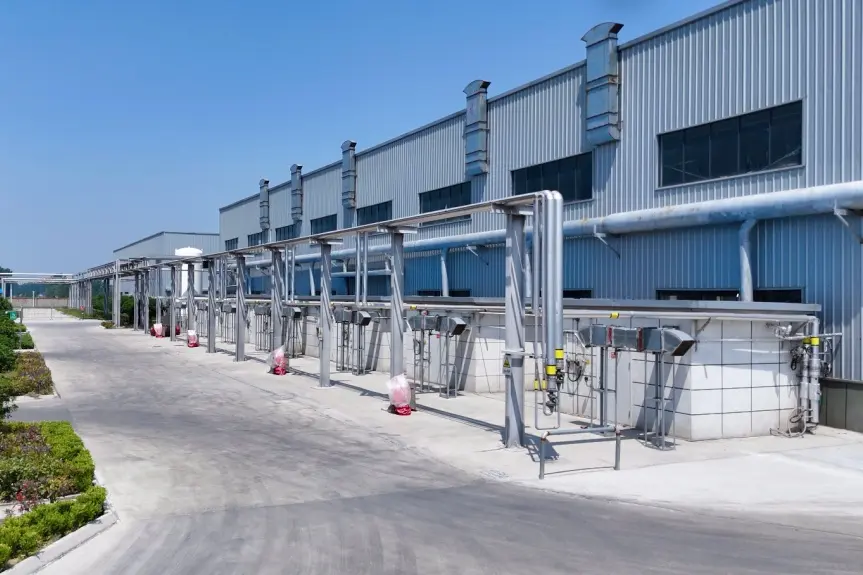
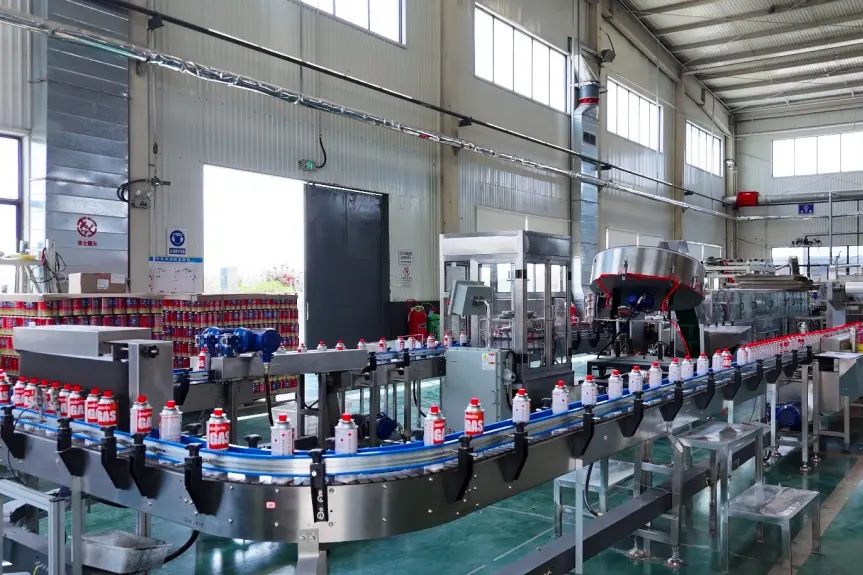
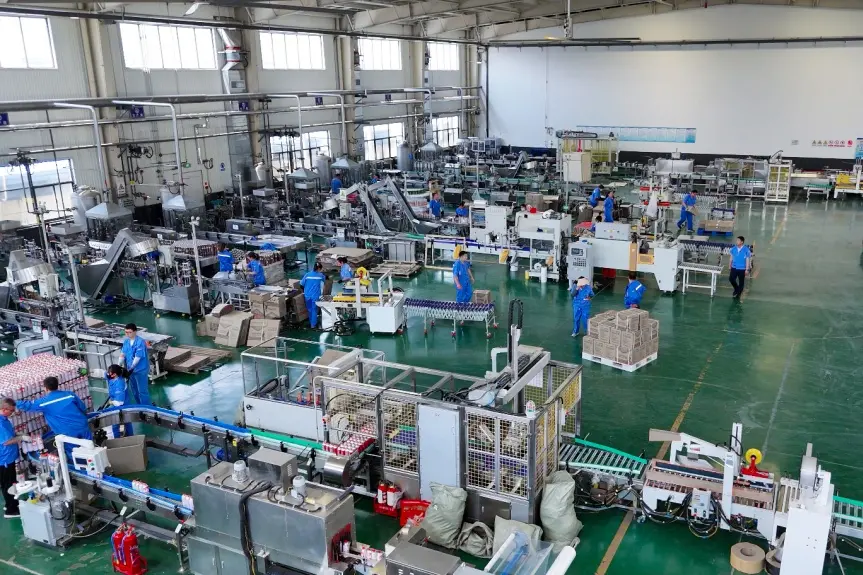
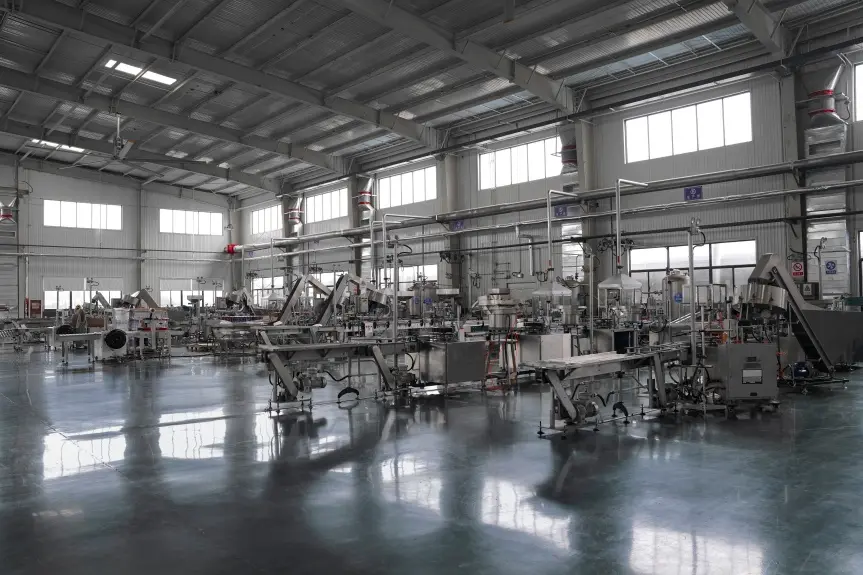
Our facility in the fine chemical park spans over 100,000 square meters and is built to modern chemical safety designs. Equipped with 10 automated filling systems, we regulate variables such as pressure controls, gas mixtures, and precise can seam sealing to eliminate the risk of leaks during transport.
Collaborating with university laboratories, our R&D department focuses on improving polyurethane formulations. From raw material inspection to batch testing in environmental chambers (simulating Melbourne's seasonal shifts), we trace every batch to ensure consistent performance from the production line to the application site.
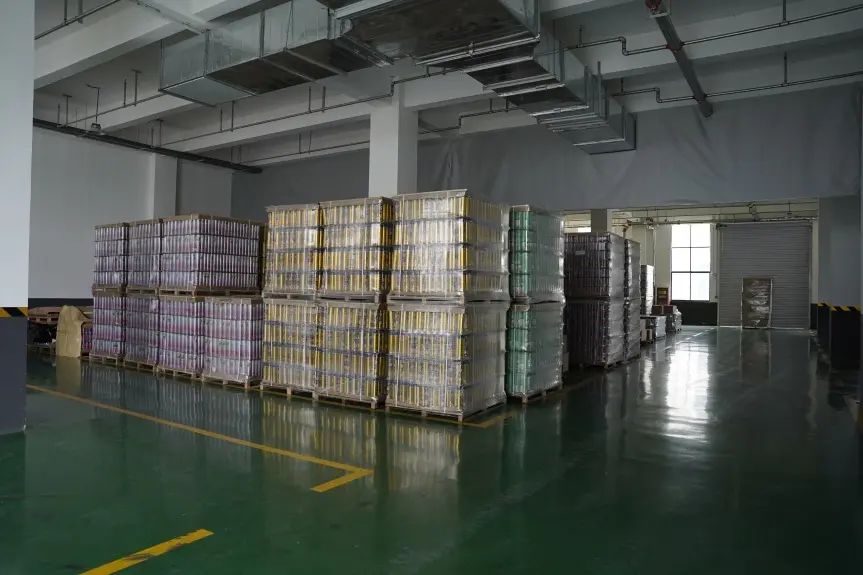
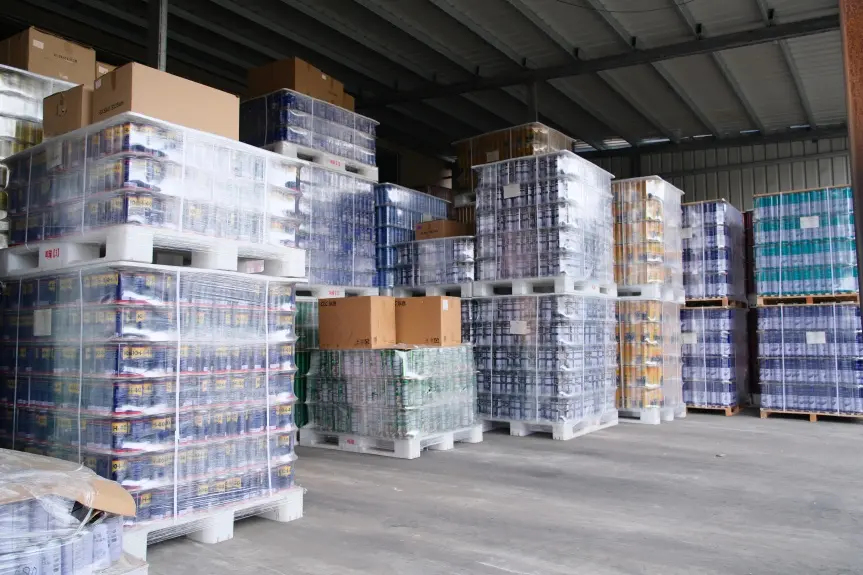
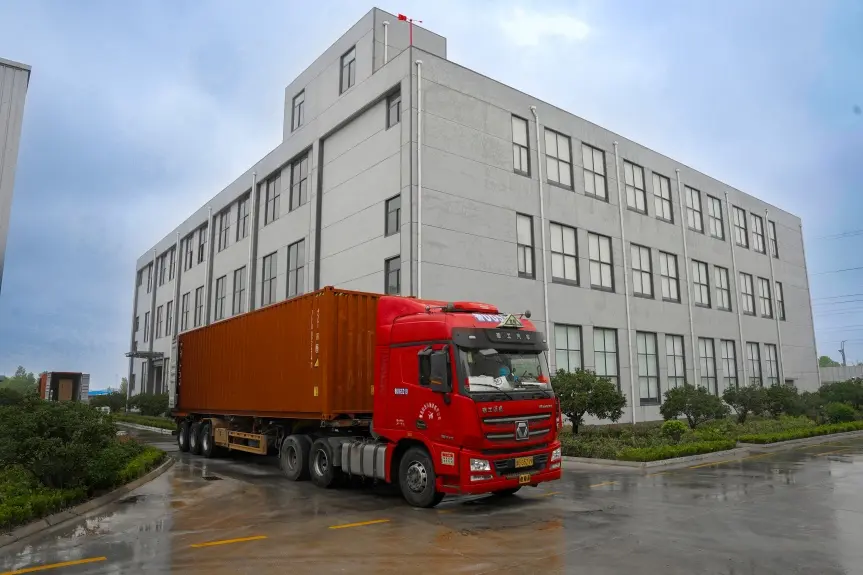
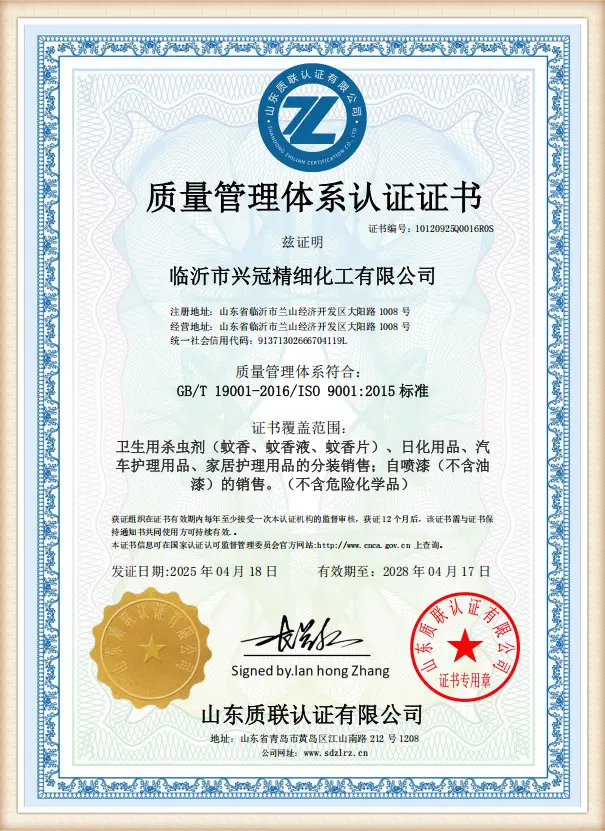
ISO9001 System
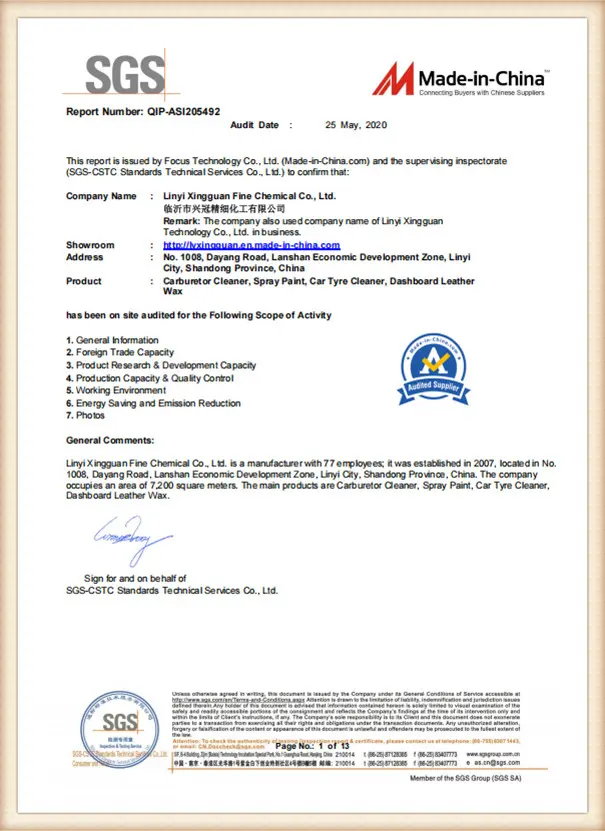
Compliance Certificate
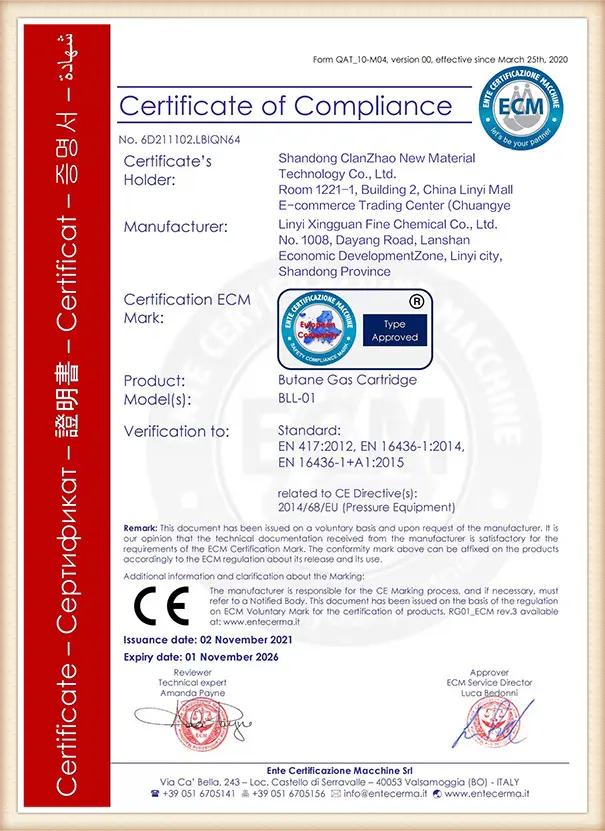
DG Export Audit
Importing chemical aerosols into Australia involves strict regulatory frameworks. Because PU foams in pressurized cans are classified under Class 2 (UN 1950 Aerosols), compliance with the Australian Dangerous Goods Code (ADG Code) and the Industrial Chemicals Act is essential.
Our factory holds complete international manufacturing credentials. We maintain ISO9001 Quality Management Certification, a valid chemical production license, and the required dangerous goods packaging export certificates. This ensures clean shipping coordination through Melbourne Port (PoMC), avoiding customs delays and compliance risks for our local import partners.
Adapting chemical formulations to support eco-certified construction and industry initiatives in Victoria.
With Australia phased-down approach on high Global Warming Potential (GWP) hydrofluorocarbons (HFCs), our laboratory is proactively refining hydrofluoroolefin (HFO) propellant models. This provides our Melbourne clients with forward-compliant stock that meets Green Star building certification requirements without sacrificing structural expansion performance.
Indoor air quality represents a key priority in modern residential design. Our upcoming product range focuses on minimizing monomeric diisocyanate levels. This reduced-emission chemical profile improves safety during application, making it ideal for indoor retrofitting, educational facilities, and healthcare projects in Melbourne.
Answers to common questions regarding logistics, chemical properties, and customs clearance for the Victorian market.
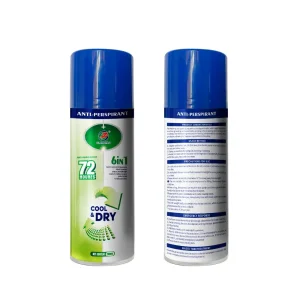
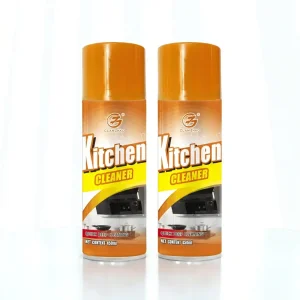
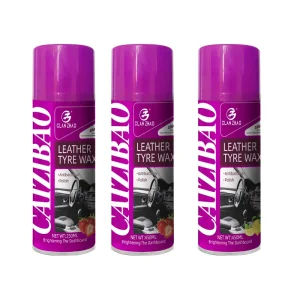
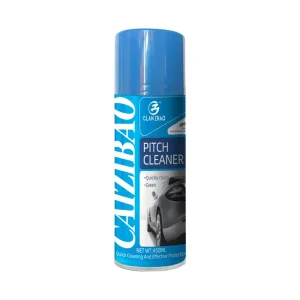
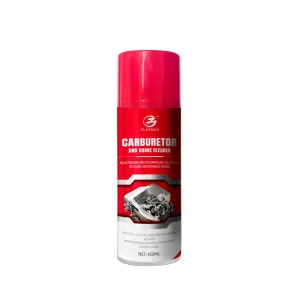
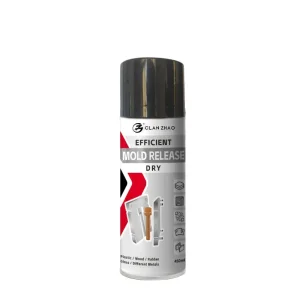
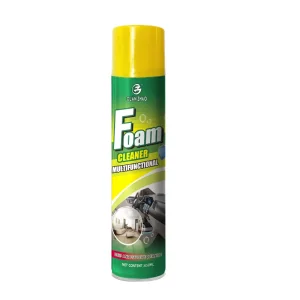
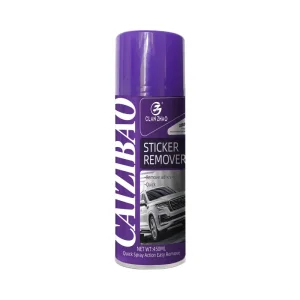
Explore our wider range of industrial maintenance chemicals, protective sprays, and automotive formulations available for contract manufacturing.
 ClanZhao New Material