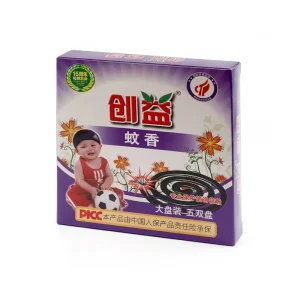
Industrial-grade mosquito suppressants and spatial repellents calibrated for immediate knockdown and sustained perimeter defense.
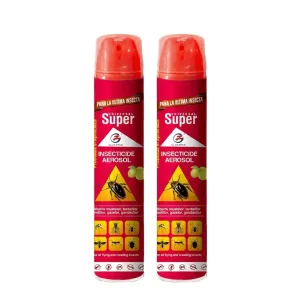
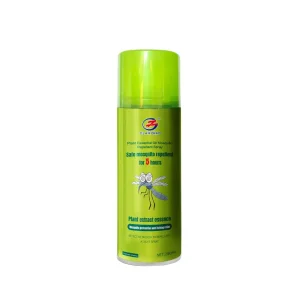
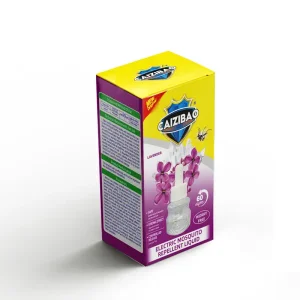
Philadelphia’s geographical placement within a humid subtropical zone, paired with its complex waterways—specifically the intersection of the Delaware and Schuylkill Rivers—creates a fertile ground for mosquito and insect proliferation. The urban heat island (UHI) effect, highly prominent in densely constructed areas like Center City, North Philadelphia, and West Philadelphia, further accelerates insect breeding cycles. Seasonal periods of high humidity and rainfall trigger rapid spikes in vectors such as Culex pipiens (the northern house mosquito) and Aedes albopictus (the Asian tiger mosquito).
These vectors present significant public health and commercial liabilities. Local outbreaks of West Nile Virus (WNV) and potential risks of Eastern Equine Encephalitis (EEE) require rigorous, multi-tiered suppression strategies. Municipal vector management programs, commercial properties, and residential complexes across Philadelphia demand high-efficacy insecticides and repellents. Our supply lines are specifically calibrated to meet the strict demands of the Philadelphia marketplace, providing continuous active barrier defense against disease vectors while adhering to federal and state environmental safety standards.
Information Gain Highlight: Philadelphia's municipal vector control relies heavily on integrated pest management (IPM) structures. Supplying this region requires understanding local regulations from the Pennsylvania Department of Agriculture (PDA) and EPA Region 3 guidelines, which control pesticide use in the Delaware River watershed.
Globally, the market for insect repellents and commercial pesticides is undergoing a shift. Urbanization, rising temperatures, and changes in vector distribution patterns are expanding the global pest control market at a CAGR of 6.2%. Importers in North America, particularly logistics hubs like Philadelphia, face the challenge of securing reliable, large-scale supply chains that comply with local regulatory agencies, such as the Federal Insecticide, Fungicide, and Rodenticide Act (FIFRA) and the Toxic Substances Control Act (TSCA).
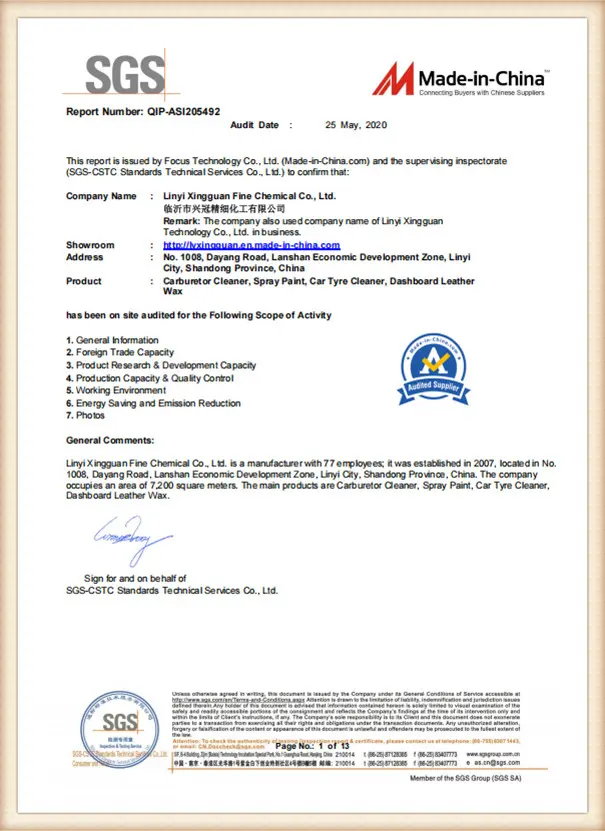
As a specialized foreign trade subsidiary wholly-owned by Linyi Xingguan Fine Chemical Co., Ltd., Shandong ClanZhao New Material Technology Co., Ltd. serves as a reliable link in this global market. Operating from a 100,000-square-meter facility with 10 automated filling lines, we supply stable chemical products designed to meet regulatory approvals in destination markets like Pennsylvania, New Jersey, and Delaware.
Effective insect management relies on precise chemical formulations. Our research and development focuses on optimizing active ingredients and propellants to balance performance with user safety.
Knockdown Formulations: Utilizing pyrethroids (such as prallethrin, permethrin, and cypermethrin), our knockdown aerosols target the nervous systems of flying insects immediately upon contact. Synergistic agents like Piperonyl Butoxide (PBO) are added to prevent enzymatic resistance, ensuring high mortality rates in target pests.
Long-Acting Repellents: For skin and clothing applications, we offer formulations utilizing DEET (N,N-Diethyl-meta-toluamide), Picaridin, and bio-based agents like PMD (Para-menthane-3,8-diol). These formulas provide up to 8-12 hours of protection by disrupting insect olfactory receptors, preventing them from locating hosts.
Propellant Chemistry: We use purified hydrocarbon propellants (LPG mixtures of butane, isobutane, and propane) and dimethyl ether (DME). This combination supports consistent aerosolization and spray patterns, ensuring uniform active ingredient distribution without depleting the ozone layer.
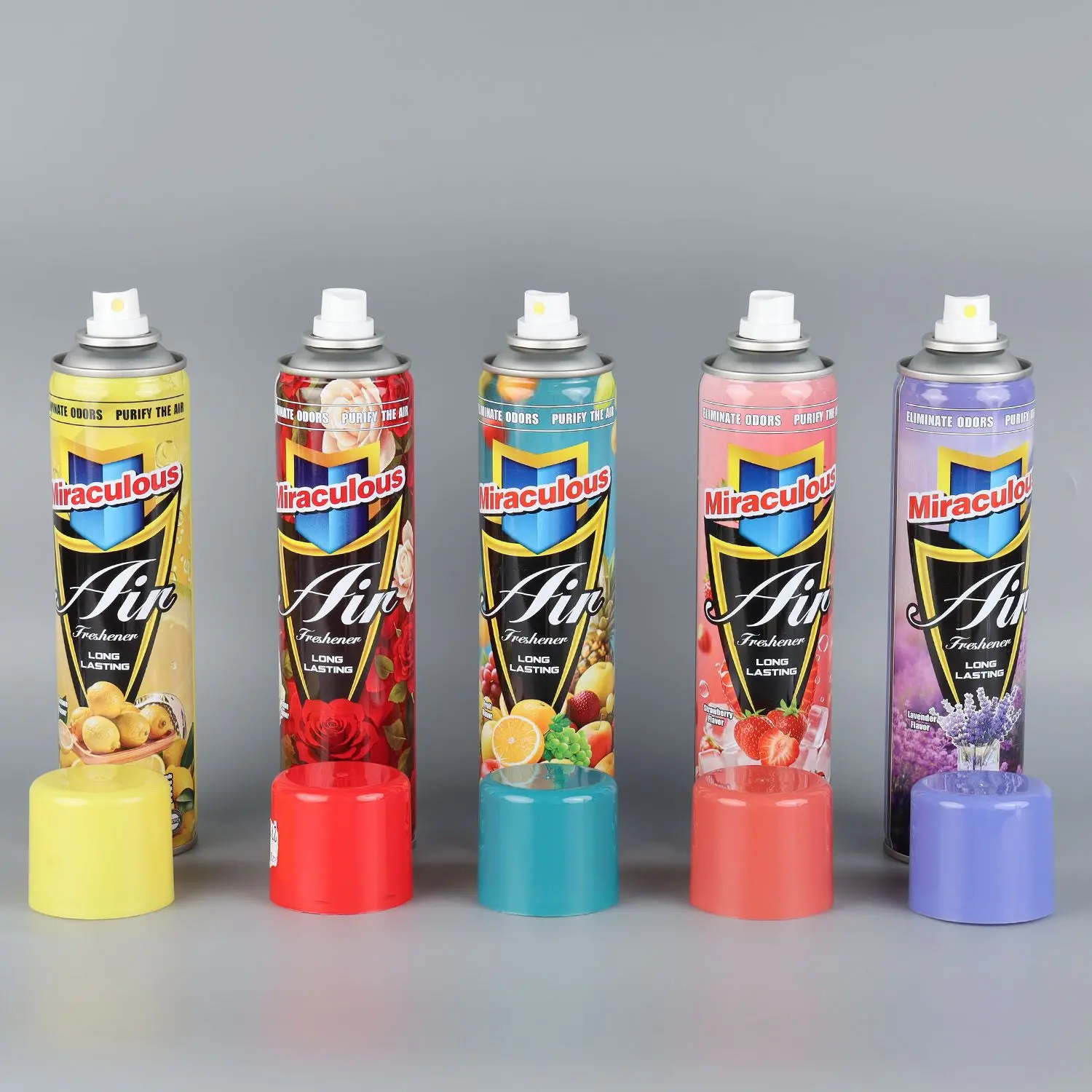
Large-scale pest control requires targeted application strategies to maximize effectiveness while minimizing chemical footprint.
Aerosols are classified as Class 2.1 or Class 2.2 Dangerous Goods under UN 1950 regulations. Shipping these products requires compliance with international logistics safety standards to prevent transit disruptions.
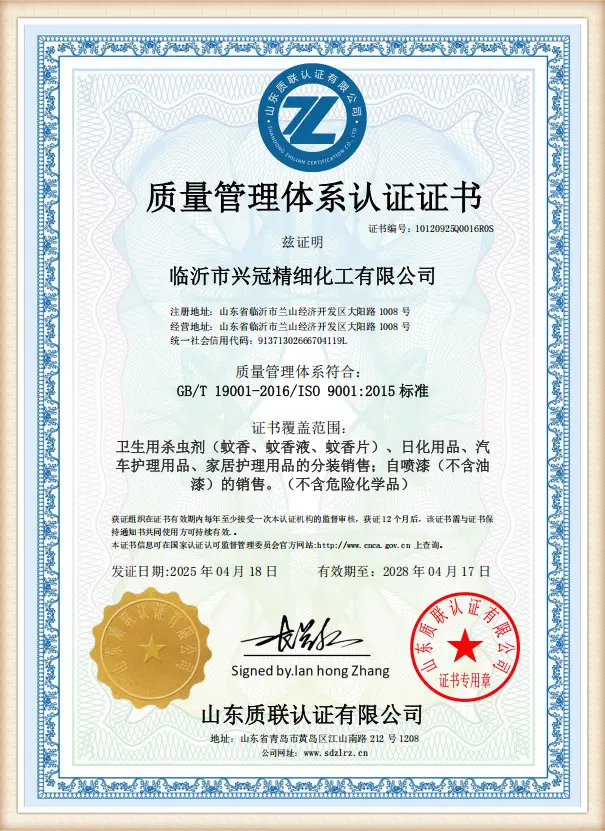
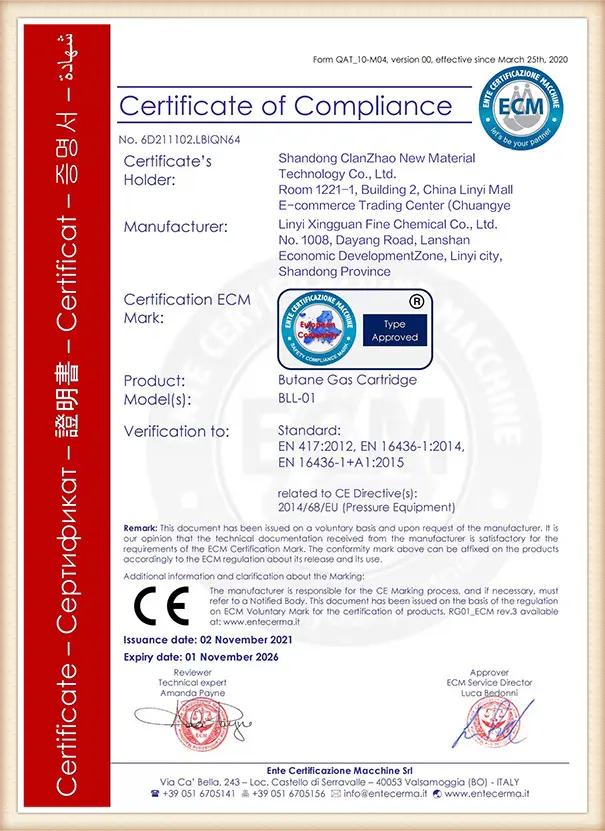
Our facility holds ISO 9001 and ISO 14001 certifications. We maintain authorized packaging licenses for hazardous goods, ensuring all aerosol cans withstand temperature fluctuations and pressure shifts during sea transport. We provide complete documentation—including Safety Data Sheets (SDS), GHS labeling, and Ocean Bills of Lading—to support clear customs entry at the Port of Philadelphia (PhilaPort) and other major East Coast ports.
Our long-term R&D efforts focus on reducing chemical impact while maintaining effectiveness. We are researching water-based aerosol vectors to replace volatile organic solvents (VOCs), nano-emulsified formulas to extend active ingredient lifespan, and bio-based repellents derived from sustainable agricultural waste. Our goal is to supply the Philadelphia market with products that meet changing environmental criteria and support local green initiatives.
Essential guidance on importing regulatory-compliant insecticidal aerosols into Philadelphia and the US market.
A: Yes, we collaborate closely with local importers to supply formulations that align with EPA standards under FIFRA. We provide complete chemical profiles, active ingredient percentages, and toxicological data sheets to support domestic registration processes in Pennsylvania.
A: All export-bound aerosols are filled in pressure-tested aluminum or tinplate cans that meet GHS and DOT specifications. Standardized packaging prevents leakage or pressure failure during maritime shipment, ensuring safe transit to the East Coast.
A: Typical production runs require an MOQ of 20,000 units per formulation variant to keep automated filling lines running efficiently. Standard lead times average 25 to 35 days from formula and packaging art approval to container loading at Port of Qingdao.
A: Yes. Through our partner research laboratories, we can modify the ratios of pyrethroids, synergists, or botanical ingredients to address target resistance issues in regions like the Delaware Valley.
Linyi Xingguan Fine Chemical Co., Ltd. operates with precision automation and advanced testing equipment to ensure quality from raw material storage to shipment.
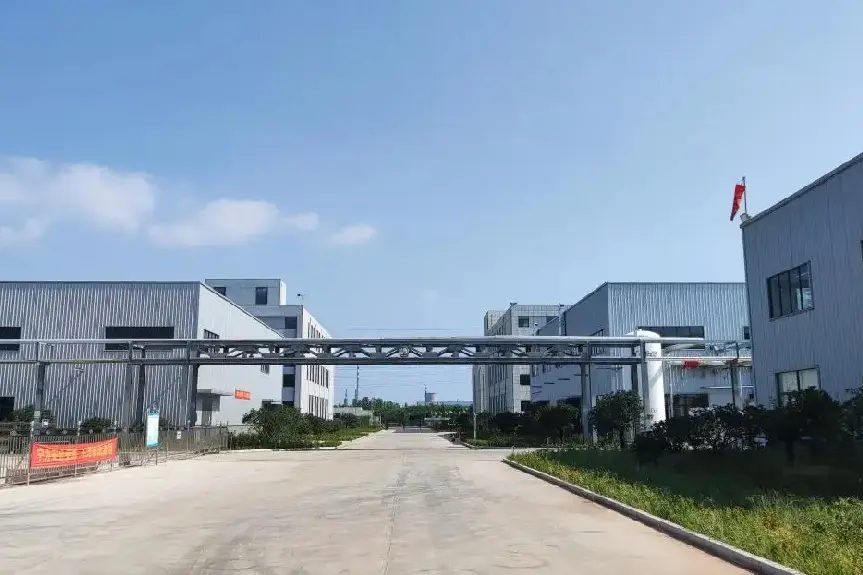
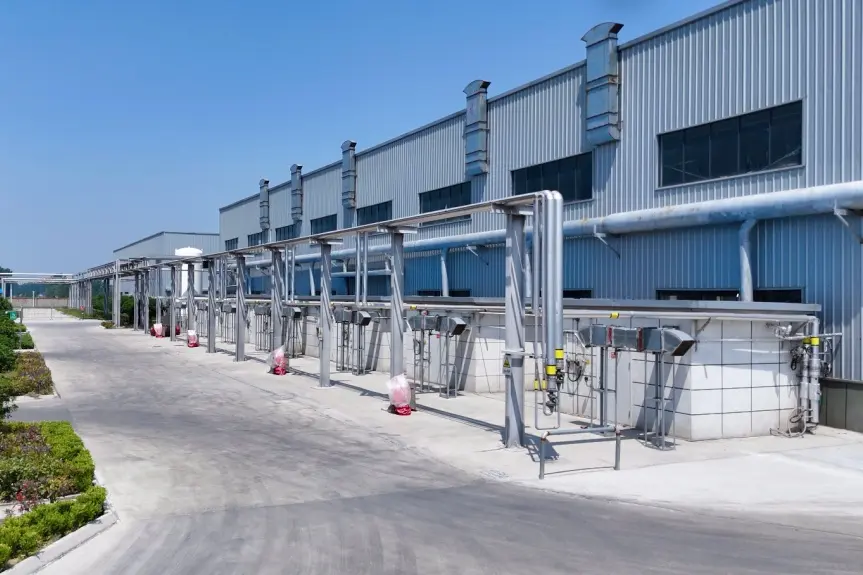
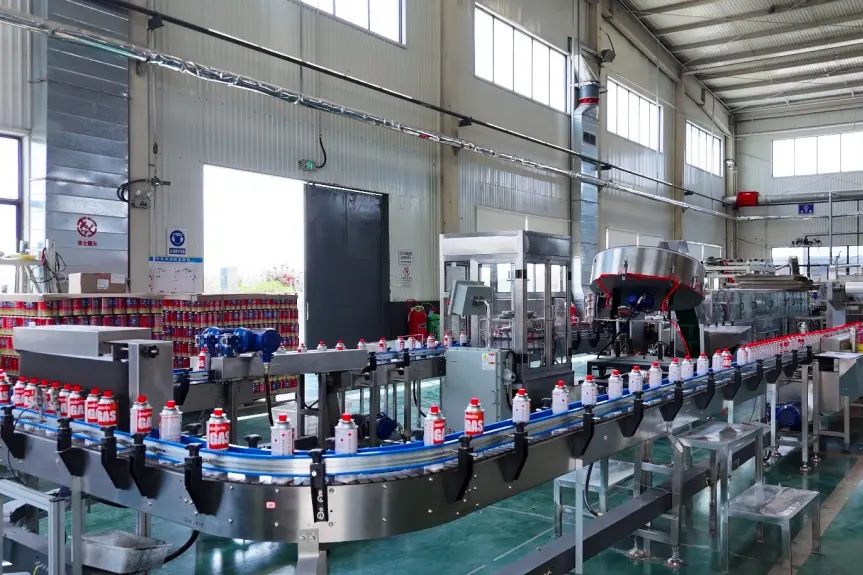
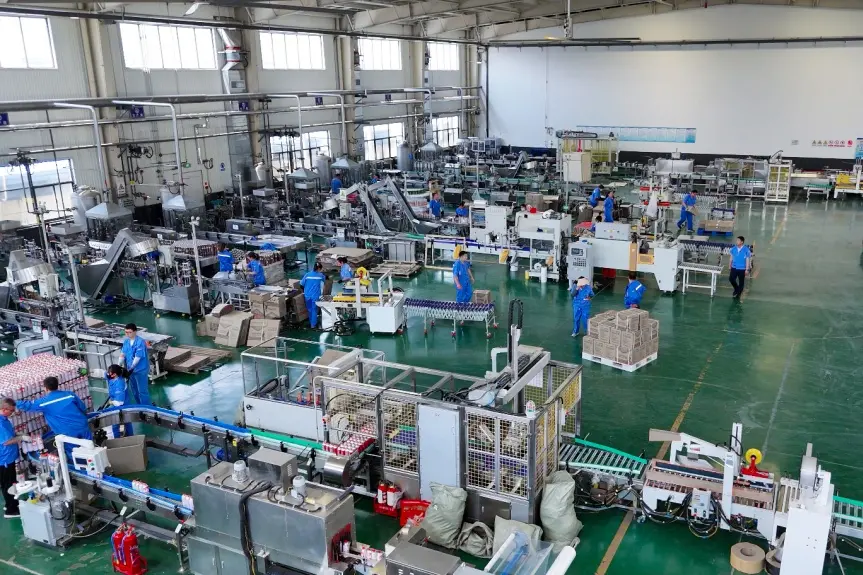
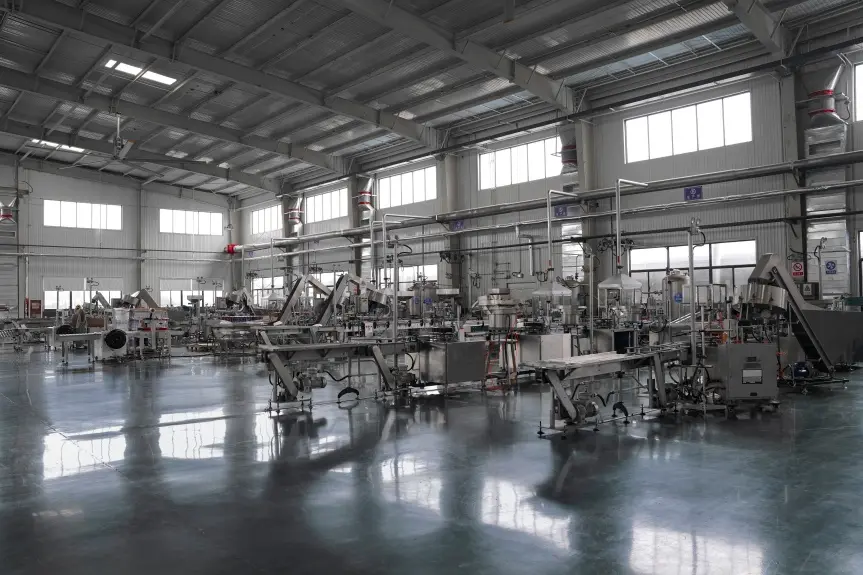
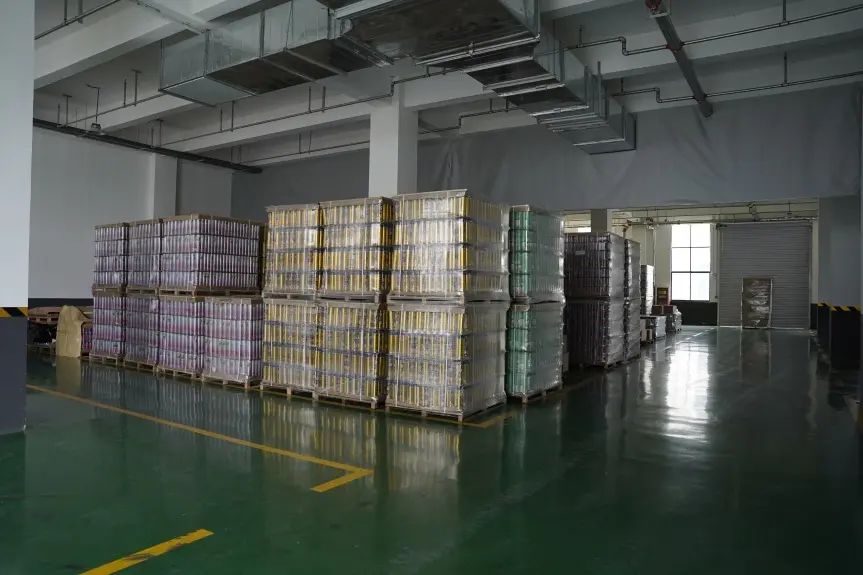
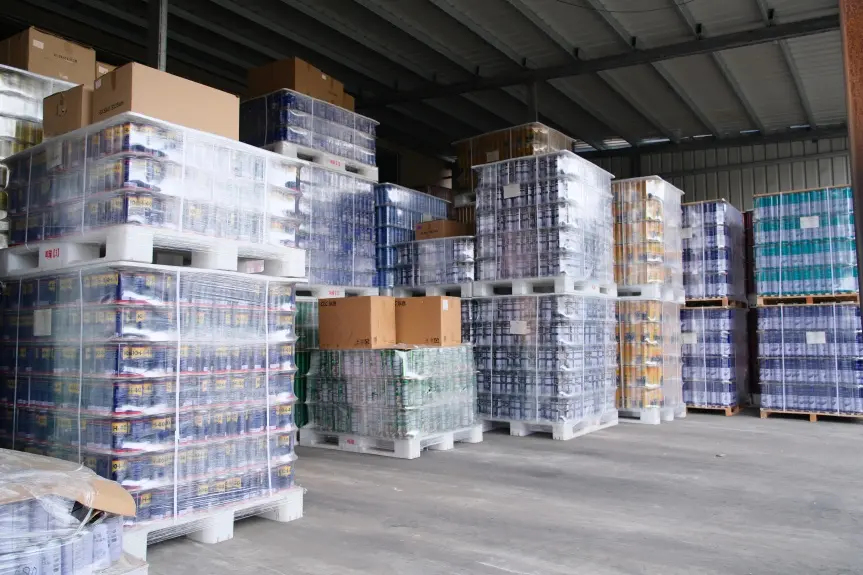
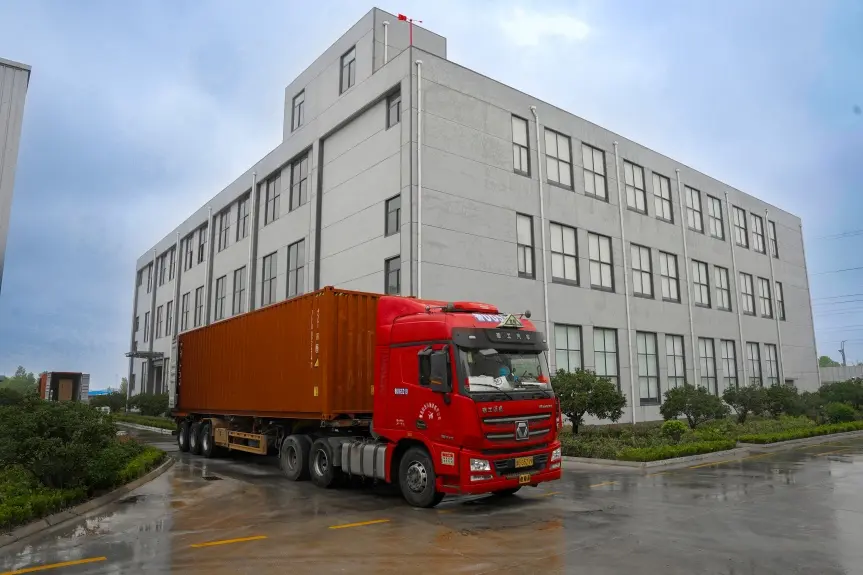
We provide full-process contract manufacturing for global markets, covering formula creation, packaging design, and hazardous goods logistics.
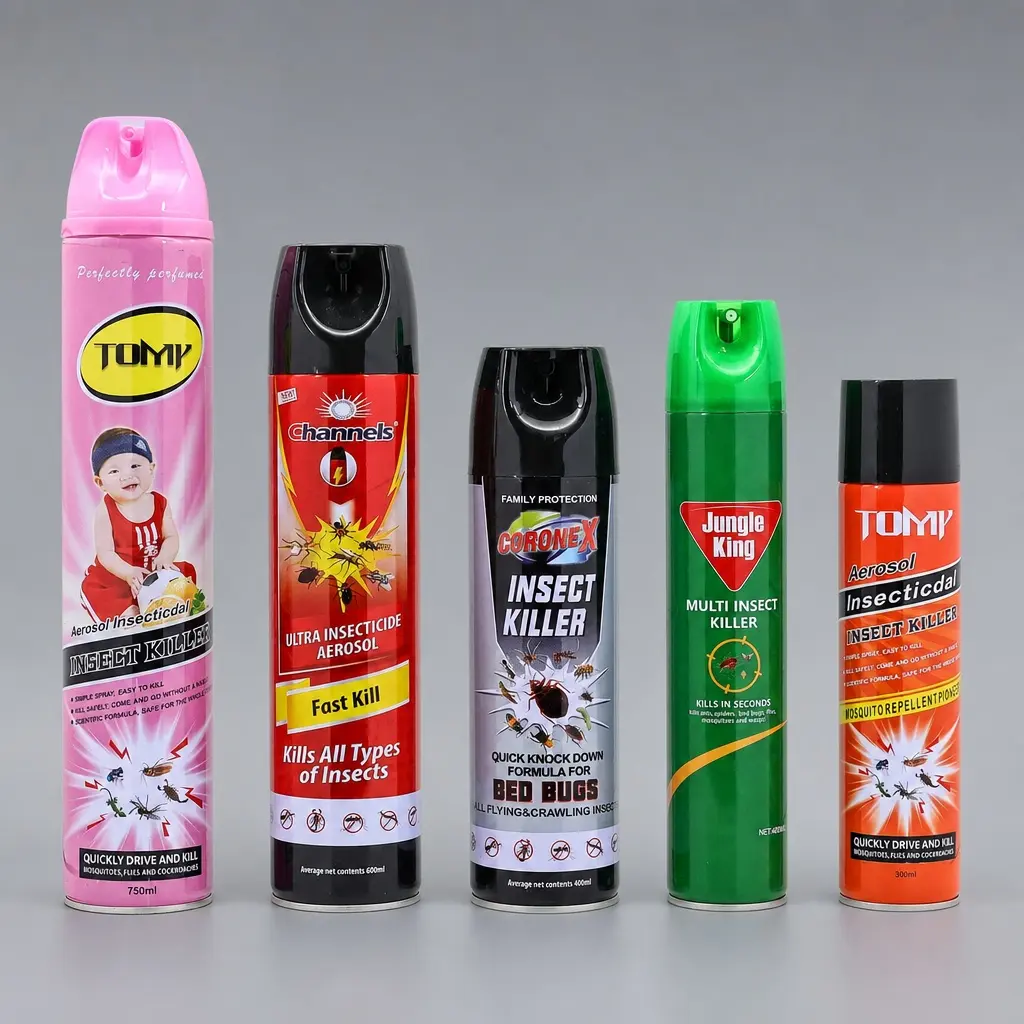
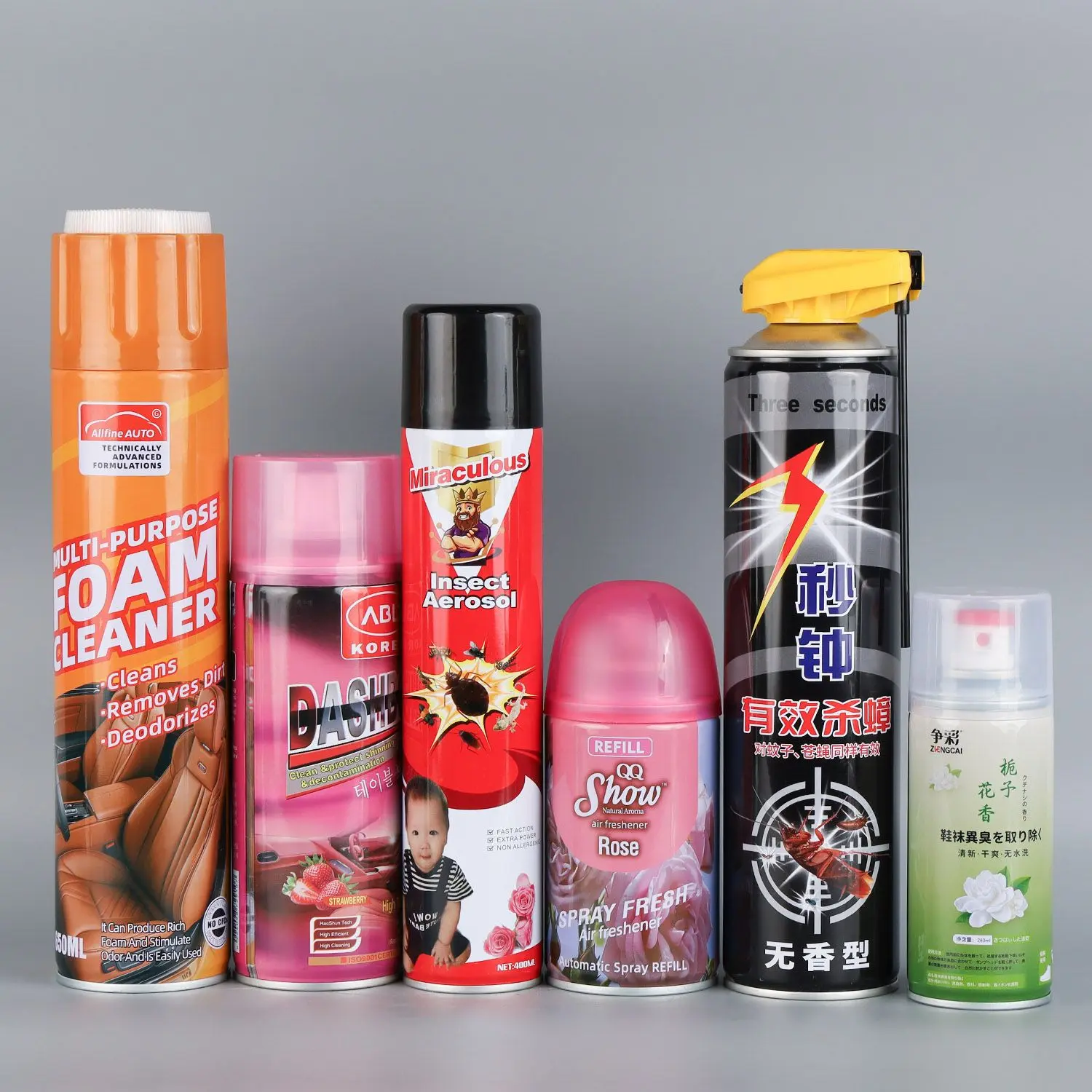
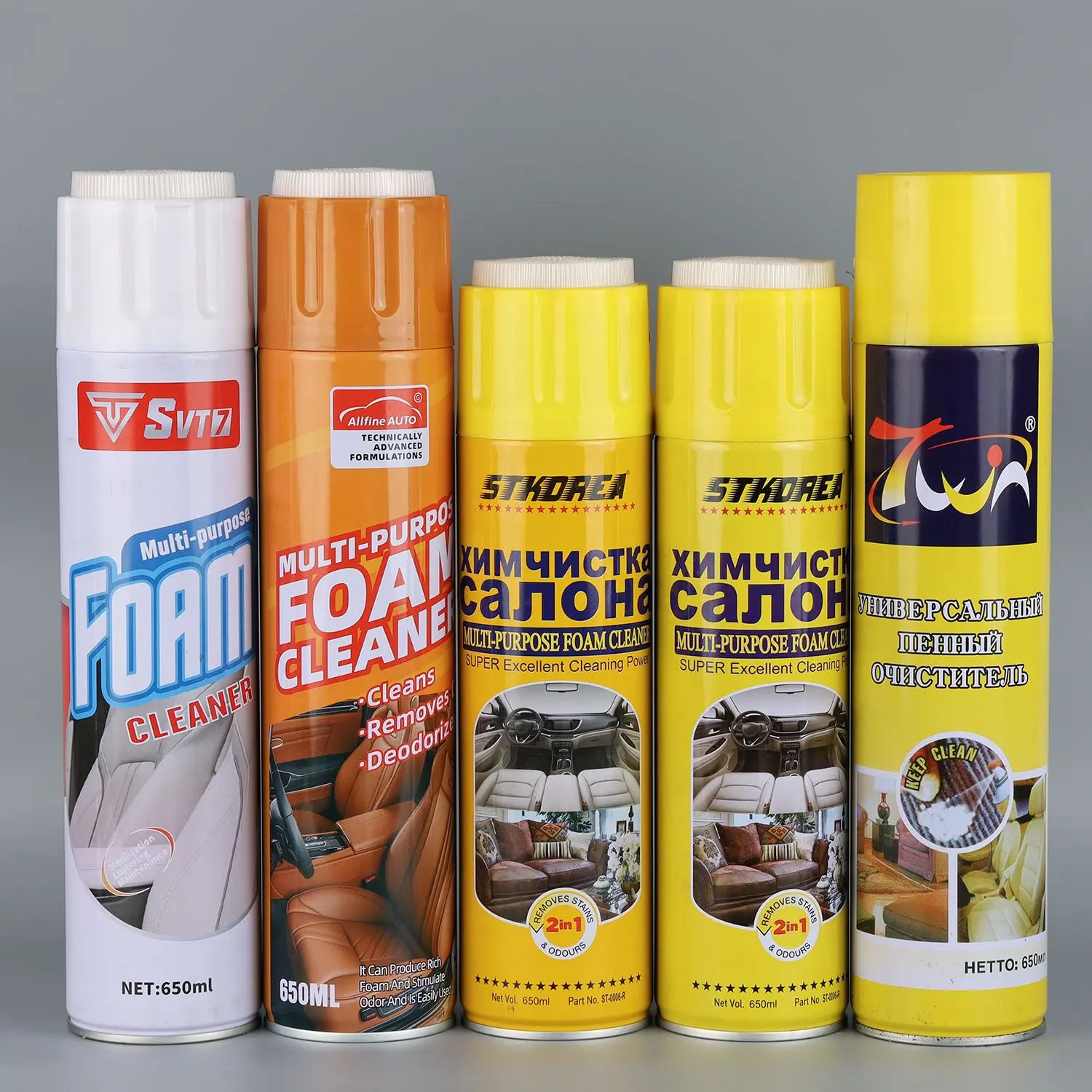
Explore our export-ready products, including protective sprays, structural sealants, and industrial maintenance tools.
 ClanZhao New Material