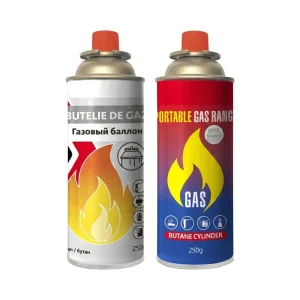
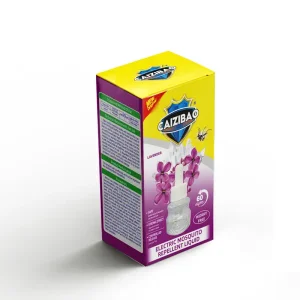
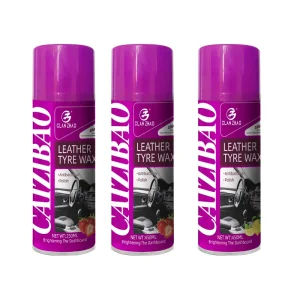
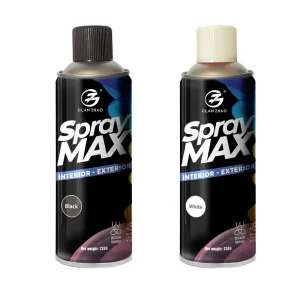
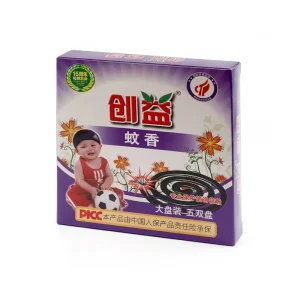
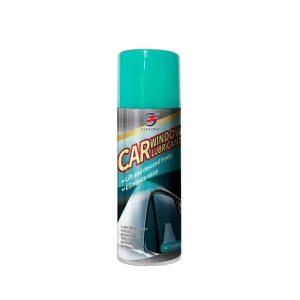
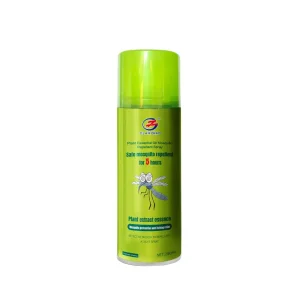
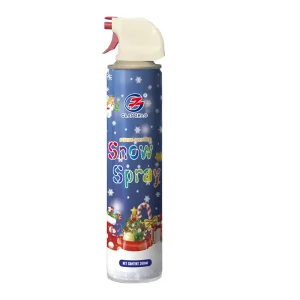
Direct supply line features optimized for São Paulo commercial and distribution networks
A strategic overview of Card Type Gas distribution, compliance frameworks, and manufacturing pathways in the State of São Paulo
São Paulo represents the economic epicentre of Brazil, serving as the dominant engine for industrial assembly, chemical distribution, and commercial trade across South America. Within this robust landscape, the demand for **Card Type Gas (Bayonet Connection Butane Canisters)** has grown exponentially. From mobile catering units in the buzzing streets of Vila Madalena to precision micro-welding stations in the industrial districts of Campinas and ABC Paulista, reliable gas energy is vital.
The expansion of outdoor tourism across the Serra do Mar and surrounding national parks has further stimulated retail demand. Outdoor sports enthusiasts, commercial caterers, and emergency response teams rely on specialized 220g and 250g gas canisters. A secure, continuous supply chain of highly stable, pressure-resistant butane gas is crucial to mitigate market volatility and meet regional safety expectations.
However, local production in Brazil often struggles to meet demand due to high production costs and raw material price shifts. This gap has made import lines from trusted global chemical giants a core strategic component for Brazilian B2B wholesalers.
Navigating Brazilian customs (Receita Federal) and chemical regulations requires deep technical expertise. Card Type Gas canisters are highly pressurized containers classifiable under dangerous goods regulations. In São Paulo and the wider Brazilian market, products must strictly adhere to the safety standards outlined by:
Governing the precise structural design, pressure tolerances, and burst-protection specs for portable, non-refillable metallic LPG containers.
Ensuring chemical compositions (Butane/Propane mixtures) are certified by the National Agency of Petroleum, Natural Gas, and Biofuels.
Our manufacturing and supply facilities maintain international ISO 9001 certifications alongside UN-approved dangerous goods packaging standards, ensuring smooth customs clearance through the Port of Santos.
Serving as the specialized, wholly-owned international trade subsidiary of Linyi Xingguan Fine Chemical Co., Ltd., we represent the absolute cutting-edge of fine chemical and aerosol production. We bridge the gap between high-end Chinese manufacturing capacity and international business operations in major economic centers like São Paulo.
By integrating advanced R&D, automated high-speed filling lines, and strict quality control, we provide B2B buyers with stable, high-performance gas supply chains. We offer custom OEM/ODM solutions tailored to the strict regulatory and climatic requirements of South American distribution networks.
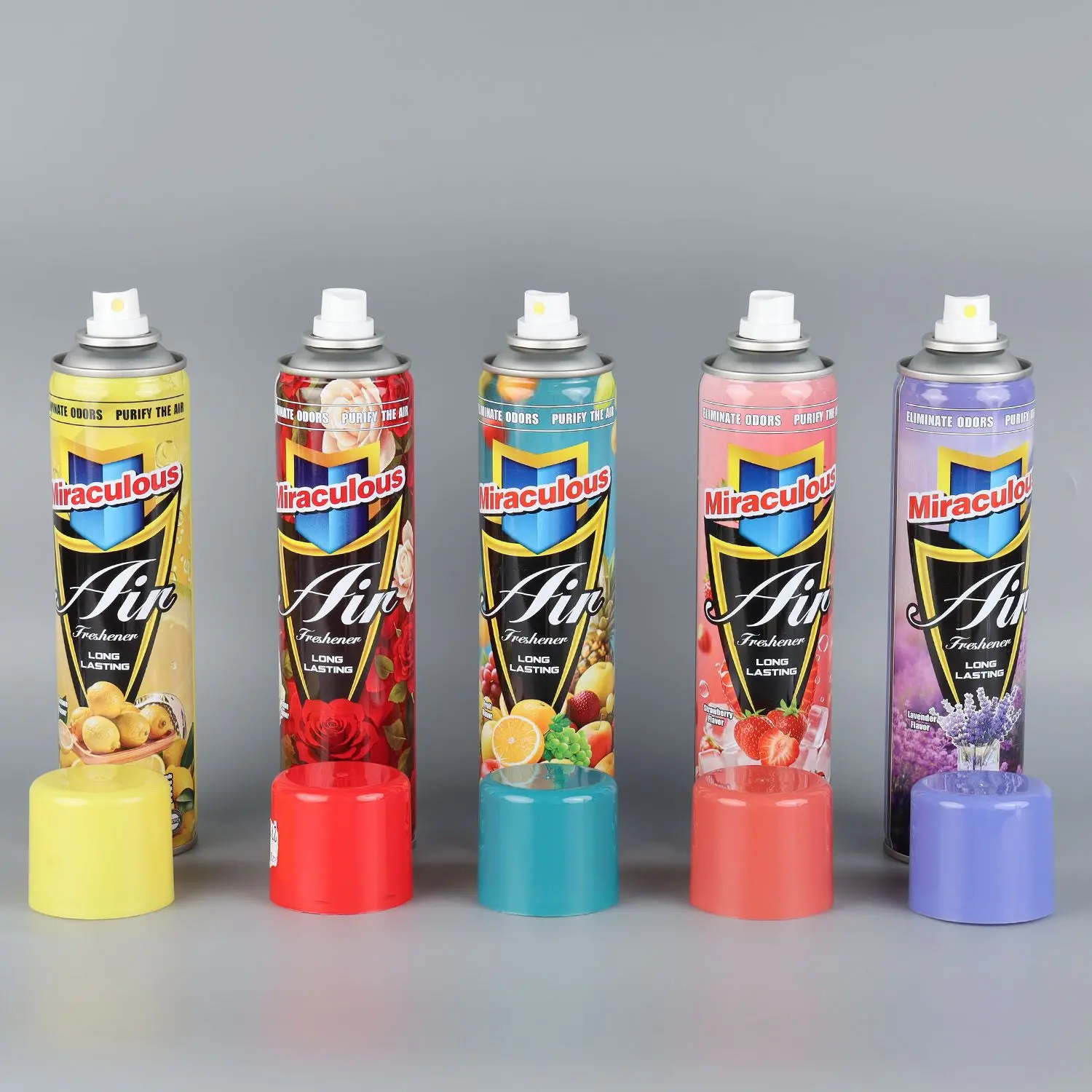
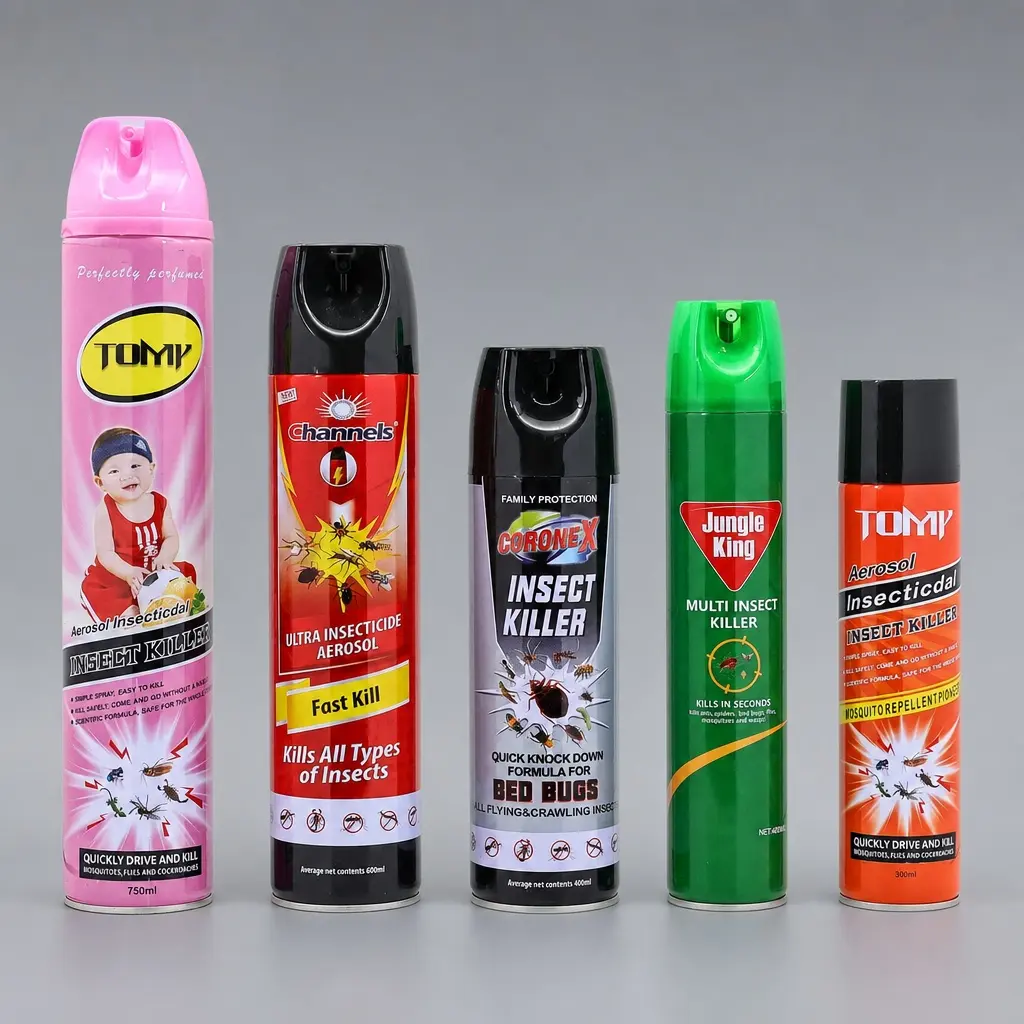
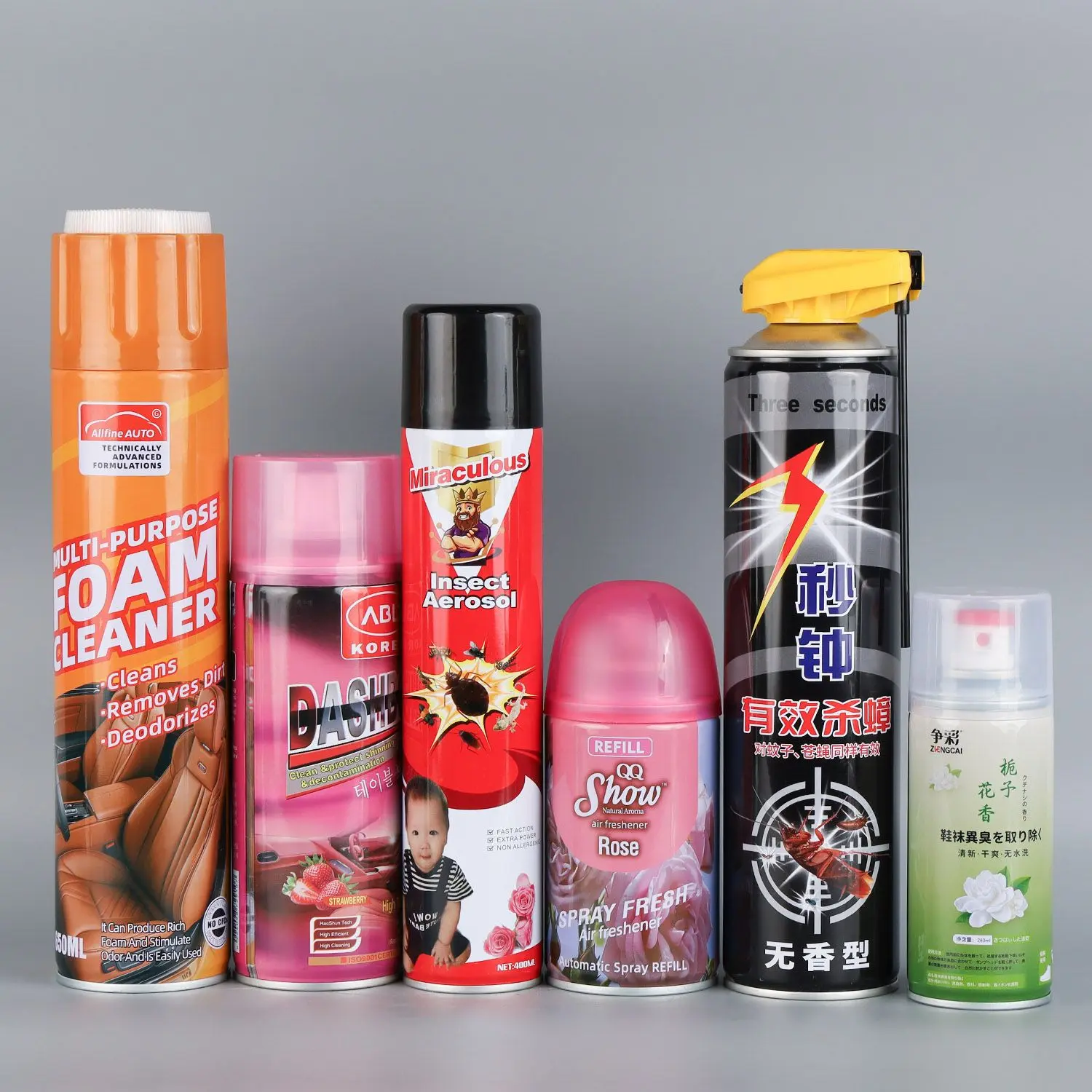
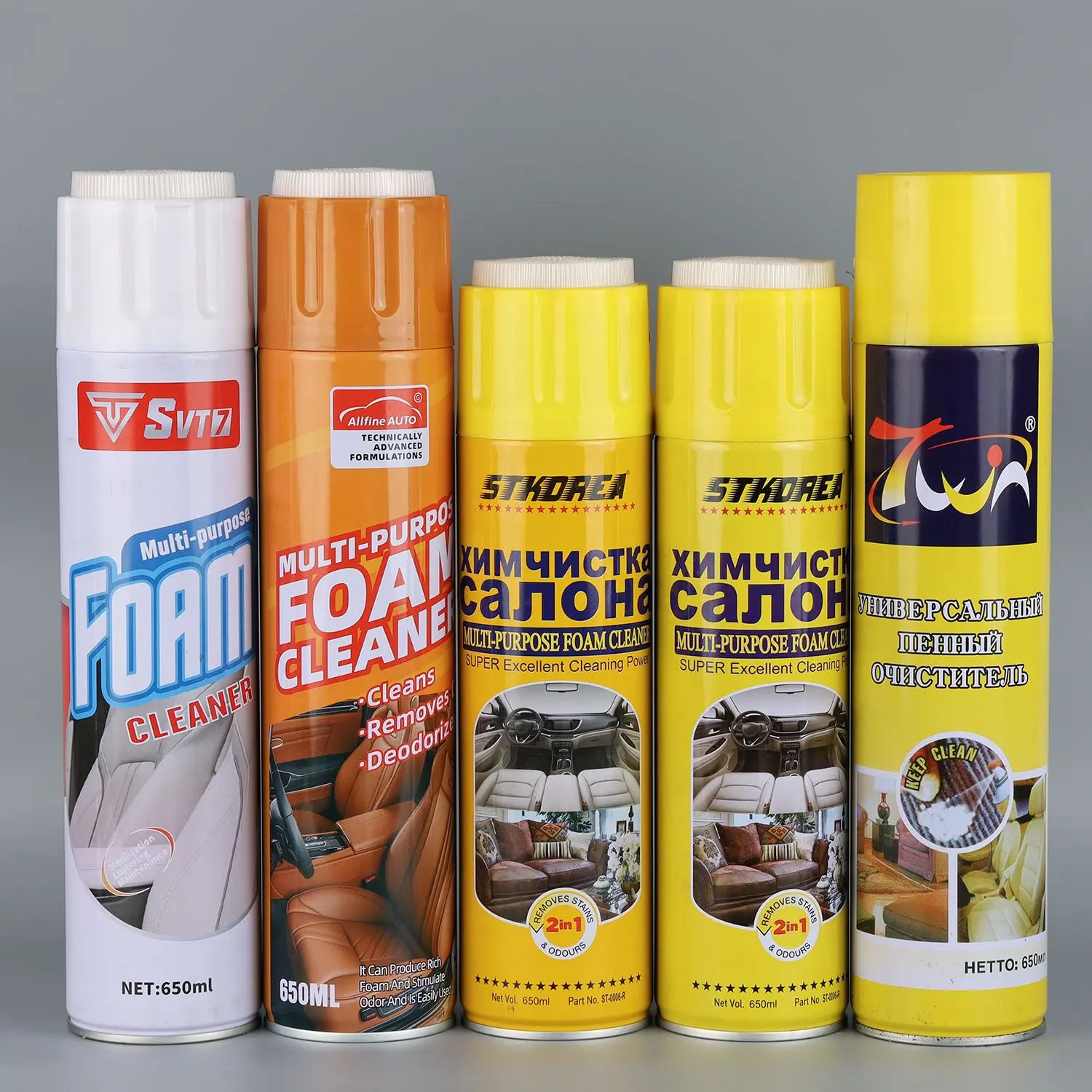
Why importers and wholesalers in São Paulo select our manufacturing platform for aerosol and gas delivery
When utilizing portable butane gas cylinders under varying temperature ranges, pressure safety is paramount. Our gas products are built with advanced Countersink Release Vent (CRV) safety systems. In the rare event of excessive pressure buildup (due to external heat source exposure), the CRV system safely releases the gas via designed vents, preventing dangerous explosions.
We deploy dynamic gas blending configurations to optimize thermal output. Depending on customer requirements, we adjust the propane-butane ratio to ensure stable gas pressures even during winter operations in São Paulo's southern high-elevation regions, such as Campos do Jordão.
| Technical Parameter | Standard Specification | São Paulo Custom Blend Option |
|---|---|---|
| Gas Composition | Pure N-Butane / Iso-Butane Mix | Propane (3-5%) + Butane blend (High pressure) |
| Canister Material | Premium Tinplate (Double Coated) | Reinforced safety valve body (CRV ready) |
| Gas Net Weight | 220g / 227g / 250g | Custom B2B weight requirements accepted |
| Burst Pressure | ≥ 1.2 MPa | Exceeds local Brazilian regulatory margins |
Launching a private label or local brand in Brazil requires high design flexibility and reliable support. Our manufacturing services cover everything from design to distribution:
100,000 square meters of precision automation ensuring stable pressure, precise filling, and robust safety margins
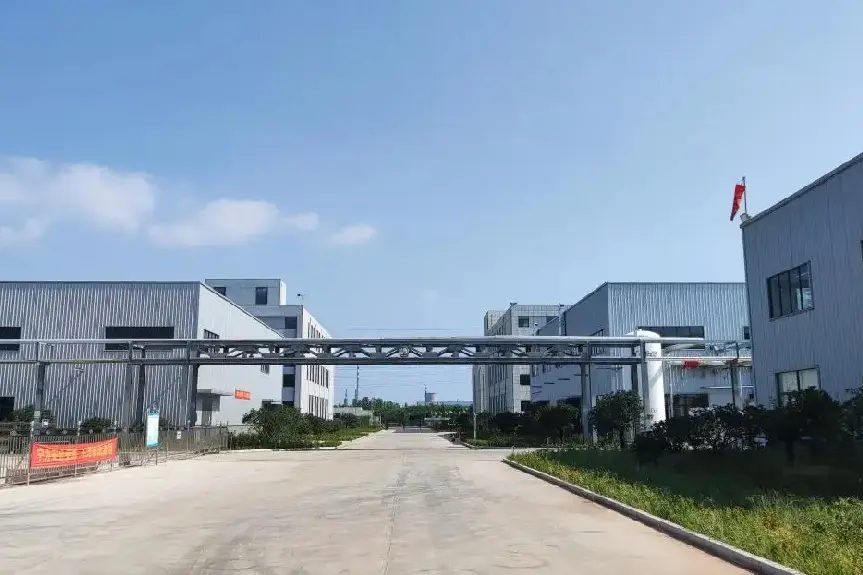
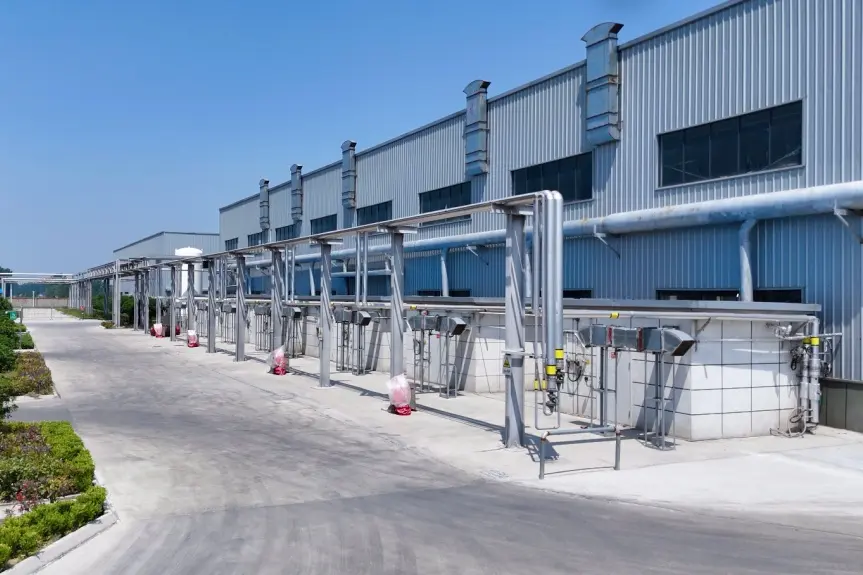
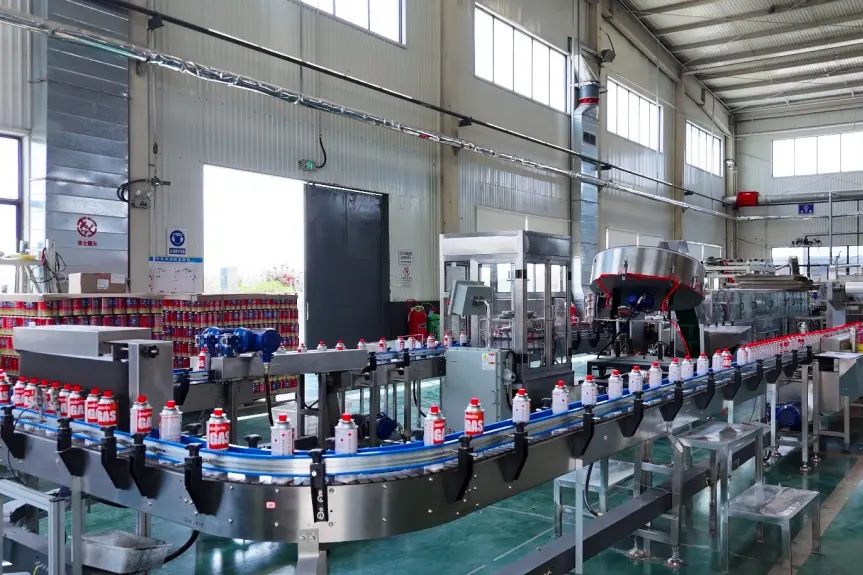
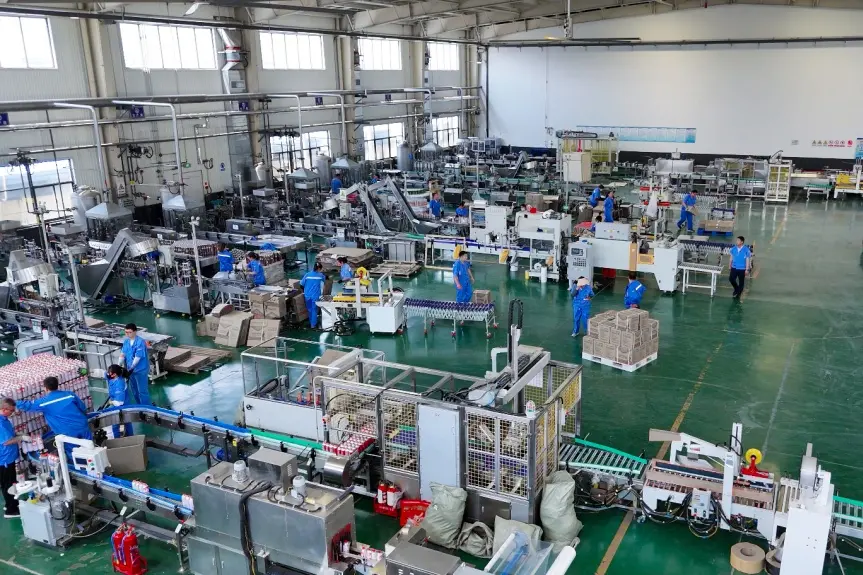
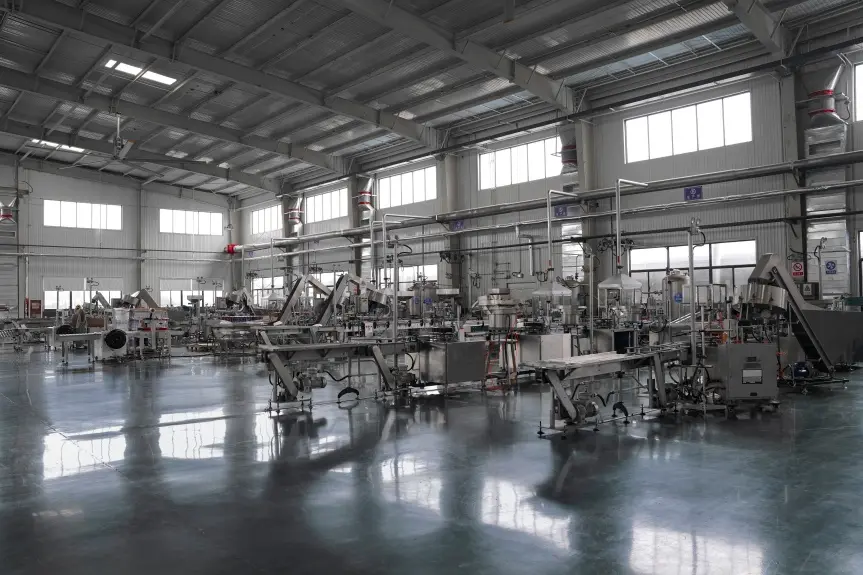
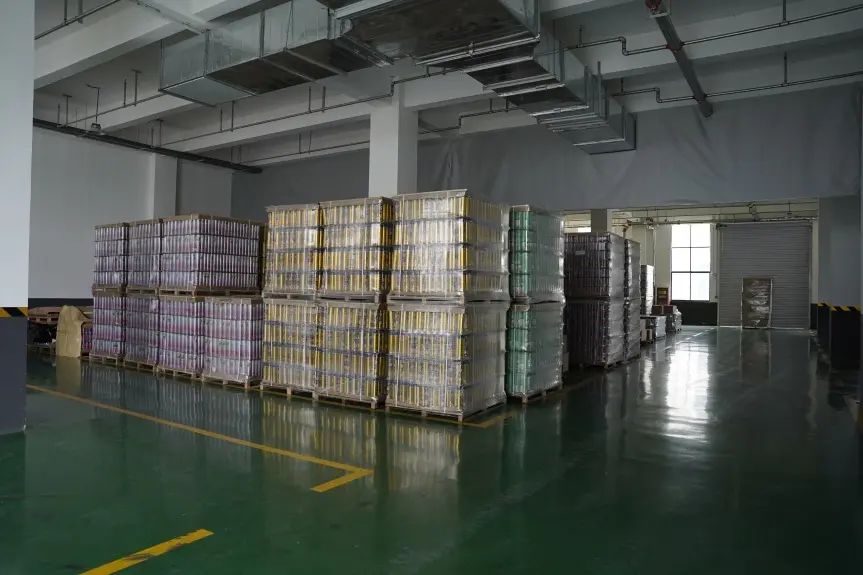
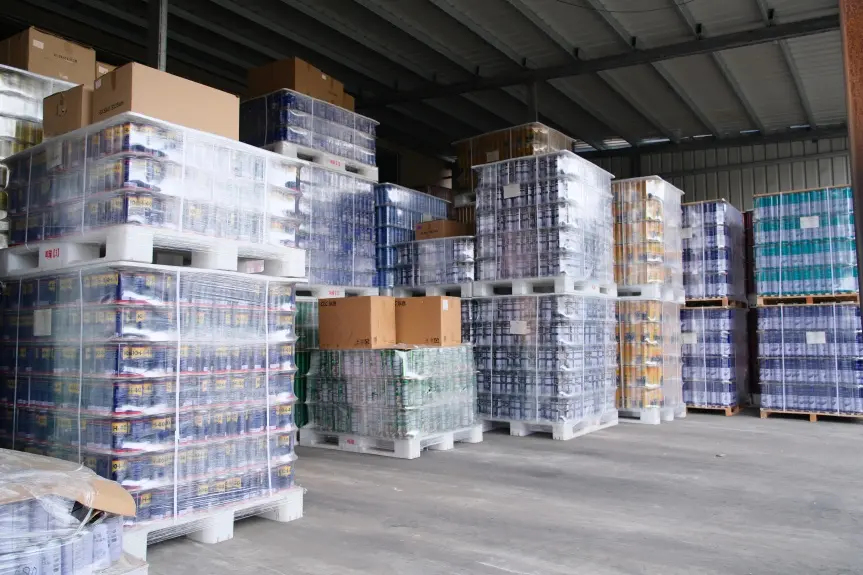
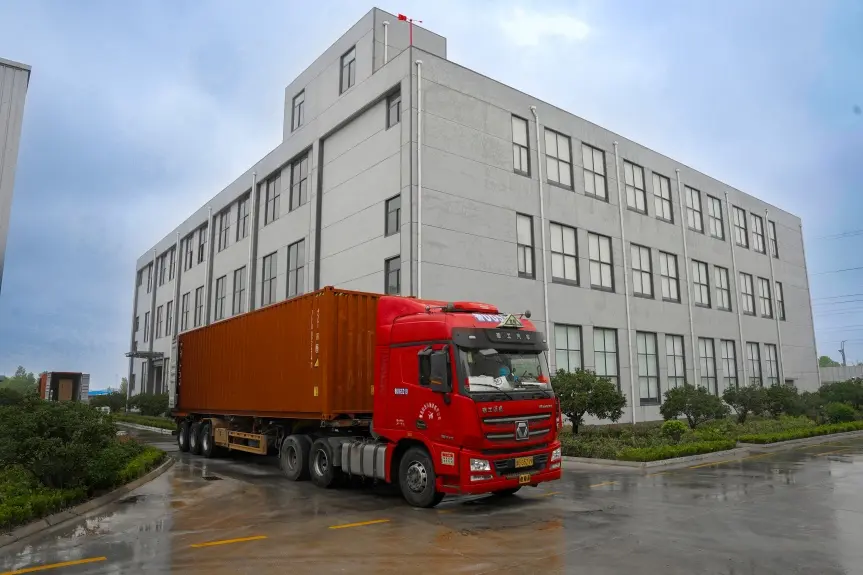
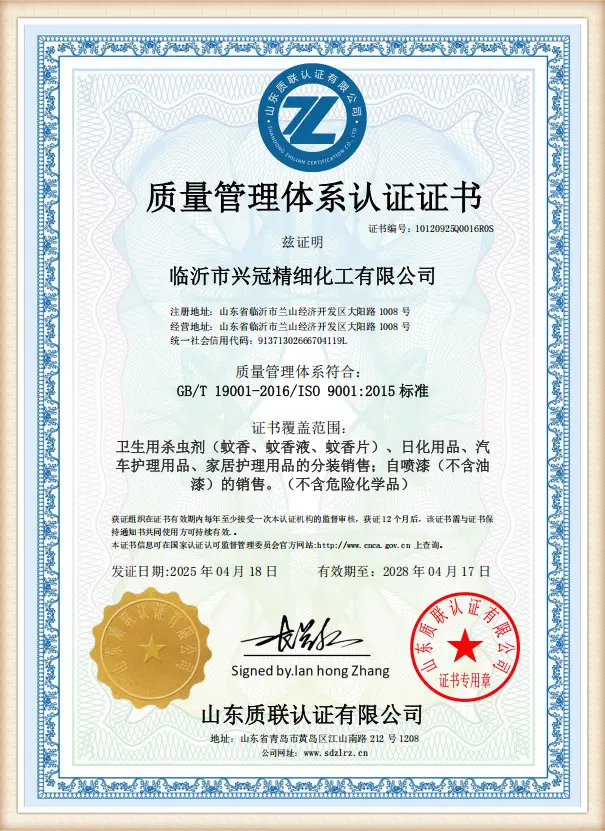
Rigorous international manufacturing standards
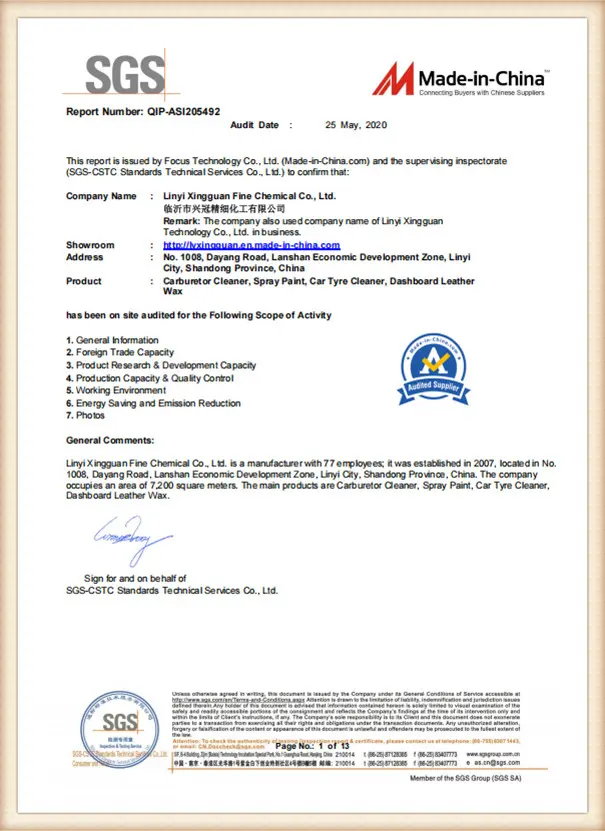
Approved facilities for dangerous goods handling
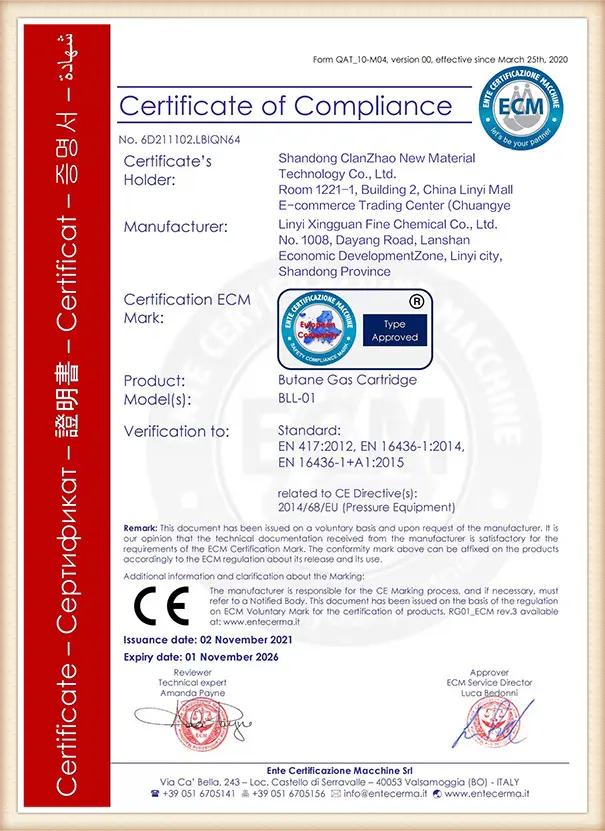
UN-approved packaging for safe transit to Port of Santos
Our portable butane gas cylinders serve key industries across the State of São Paulo, proving their utility in varied applications:
The South American aerosol and gas market is undergoing a major shift. Driven by environmental legislation and consumer awareness, B2B buyers are demanding higher safety and ecological standards:
Expert answers addressing regulatory, logistics, and manufacturing questions for importing to Brazil
Since portable butane gas canisters are classified as Class 2.1 dangerous goods (UN 2037), they must be shipped in dedicated full container loads (FCL) to comply with maritime safety standards. Typically, our MOQ starts at 1x20GP container (approx. 28,000 to 30,000 canisters depending on net weight and packaging configuration).
We provide comprehensive documentation including MSDS sheets, technical data sheets, and Certificate of Analysis (COA) records. The structural design of our metallic canisters conforms to international safety standards that match ABNT NBR regulations. We work closely with our partners' customs brokers in Brazil to verify all documentation conforms to local import regulations before the vessel leaves our ports.
Yes, our OEM/ODM custom print services allow you to design the canister wrap to your exact specifications. This includes full-color lithographic print directly on the tinplate body, featuring Portuguese translations, local Brazilian customer service contact details, and EAN-13 barcodes.
The standard production turnaround time for OEM orders is 20 to 25 days from layout approval. Ocean shipping transit time from Qingdao Port to the Port of Santos is typically 35 to 45 days. In total, we recommend planning order placement 60 to 75 days in advance of your local inventory requirements.
Yes, our premium-grade canisters feature a Countersink Release Vent (CRV) system. If the internal pressure spikes due to abnormal temperature exposure, the system venting structure activates, safely dissipating the gas without risk of container rupture.
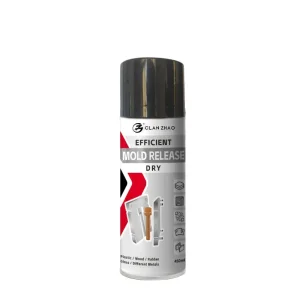
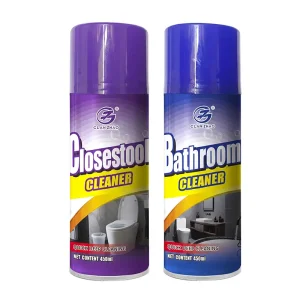
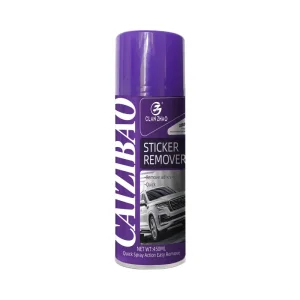
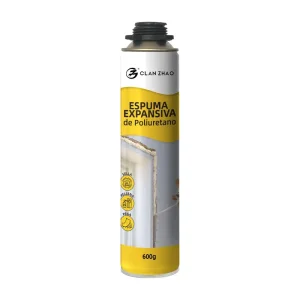
For products under the same hazardous material classes, we can support mixed shipping arrangements. Our facility manufactures a broad catalog of chemical items, including automotive maintenance sprays (lubricants, carburetor cleaners), household daily chemical sprays, and specialized expanding polyurethane insulation foams.
Premium OEM/ODM aerosol formulations and industrial consumables for manufacturing and retail channels
 ClanZhao New Material