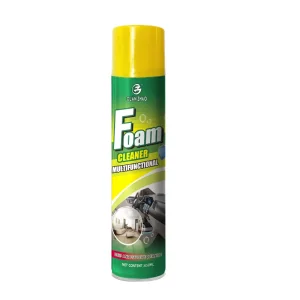
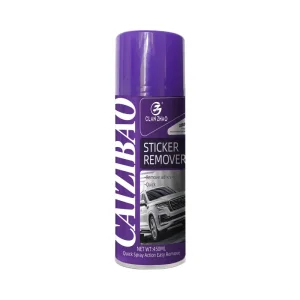
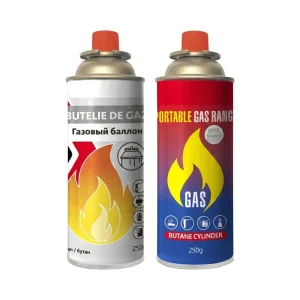
High-demand premium butane canisters and localized chemical formulations engineered for reliable operation in diverse Canadian industrial and recreational environments.
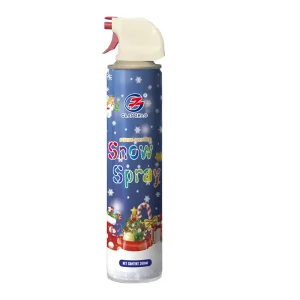
Shandong ClanZhao New Material Technology Co., Ltd. is a specialized foreign trade subsidiary wholly-owned by Linyi Xingguan Fine Chemical Co., Ltd. We are dedicated exclusively to the high-end fine chemical sector, specializing in advanced research and development, large-scale automated aerosol production, and seamless global export supply chains.
Leveraging near two decades of chemical manufacturing mastery from our parent company, we design and package dangerous goods with certified compliance. Through state-of-the-art manufacturing facilities, we deliver high-purity butane gas, industrial aerosol applications, and custom chemical solutions tailored to meet the rigorous safety and weather requirements of our Canadian commercial partners.
Our formulations undergo multi-phase gas chromatography testing and high-pressure burst verification, ensuring every shipment bound for the cold climates of Canada meets localized quality standards.
Market drivers, temperature constraints, and the shifting import landscape in North American energy supply chain management.
In Canada, what is commercially designated as "Card Type Gas" (often recognized in retail and wholesale sectors as bayonet-style or cassette gas cylinders) represents an essential energy component. From the remote mining areas of northern Ontario and the cold oil patches of Alberta to the busy restaurant districts of Toronto and Vancouver, high-purity butane and propane-butane gas mixtures in portable formats are heavily used.
Unlike warmer tropical regions, Canada's extreme seasonal temperature swings (ranging from humid summer highs to severe sub-zero winter temperatures down to -30°C) demand specialized fuel standards. Standard commercial butane cylinders from unverified factories often suffer from low vaporization pressures at freezing temperatures, rendering portable devices inoperable. This has created a strong market demand for modified aerosol canisters containing high-vapor-pressure propellants, optimized isobutane mixtures, and cold-resistant valves.
Additionally, strict safety standards enforced by Transport Canada (TC) and the Canadian Center for Occupational Health and Safety (CCOHS) require all pressurized cylinders to meet strict container standards (such as TC-2B or TC-2M specifications). Importers and wholesale distributors are increasingly turning to verified global chemical partners who can handle regulatory compliance, manage raw material volatility, and guarantee structural integrity under harsh transit conditions.
Specially engineered gas mixtures containing specific proportions of Isobutane and Propane to ensure efficient fuel flow even in sub-zero Canadian environments.
Robust steel tinplate bodies designed to withstand elevated pressure limits without deformation, meeting Transport Canada safety codes.
Complete traceability of gas purity, chemical additives, and batch testing certificates to pass strict Canadian customs inspections.
Exploring the industrial, commercial, and outdoor segments where our products deliver consistent, reliable performance.
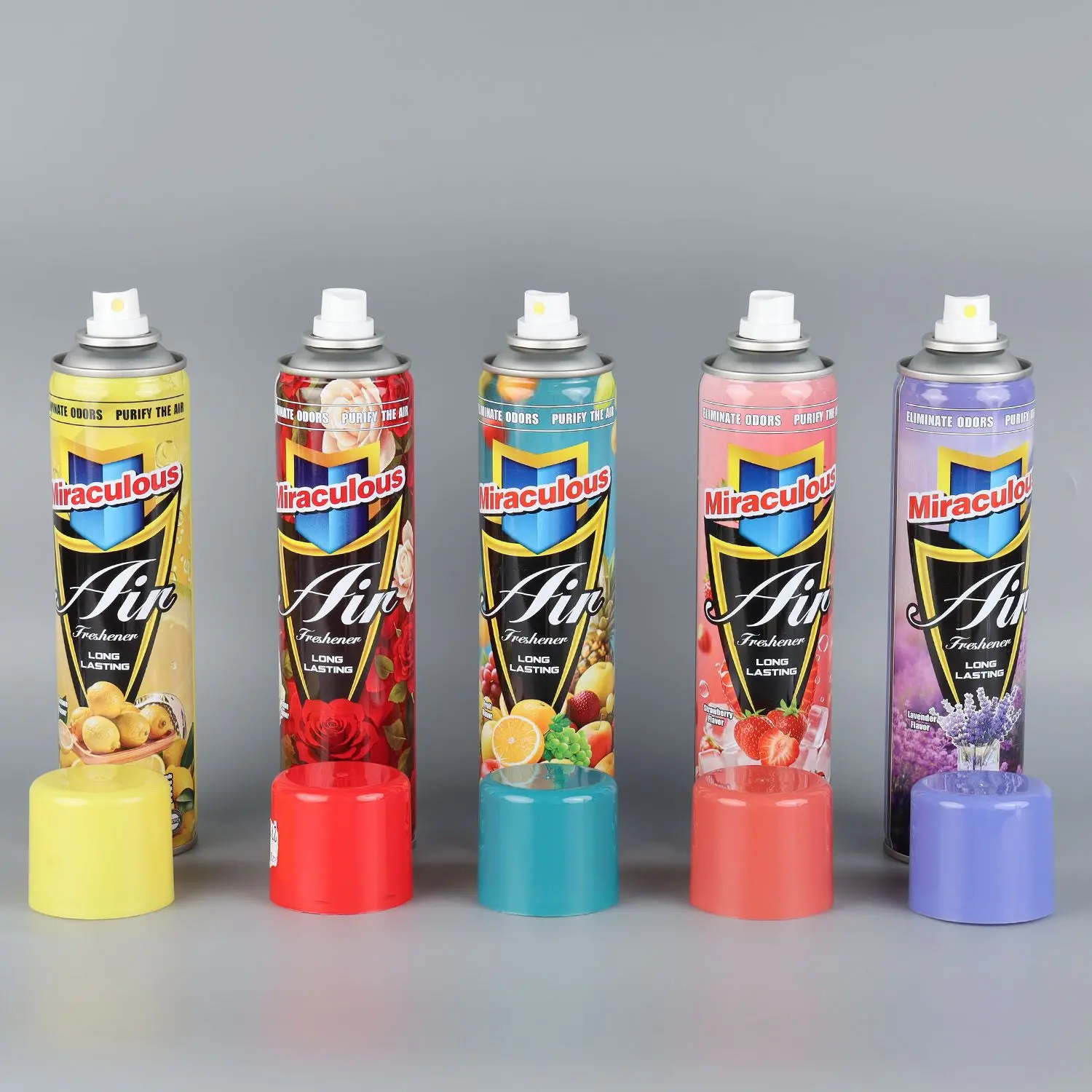
Canada's diverse culinary sector, from mobile food carts at summer festivals in Calgary to high-volume table-side hotpot and Korean BBQ dining in Vancouver, relies on card-type gas canisters. Our canisters feature clean-burning, high-purity butane that prevents off-odors, ensuring a premium dining experience.
During seasonal cold periods, local plumbing, electrical, and construction crews use cassette stoves, localized torches, and portable heaters powered by card-type butane gas. Clean ignition and high heat output are vital when sealing joints, setting materials, or heating localized toolsets on site.
For off-grid applications, Canadian wilderness explorers and remote cabins rely on stable portable power sources. In addition, local disaster response agencies recommend stocking certified butane canisters as part of family and community survival kits for sudden power grid failures.
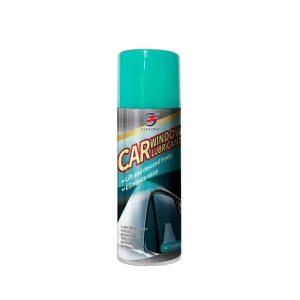
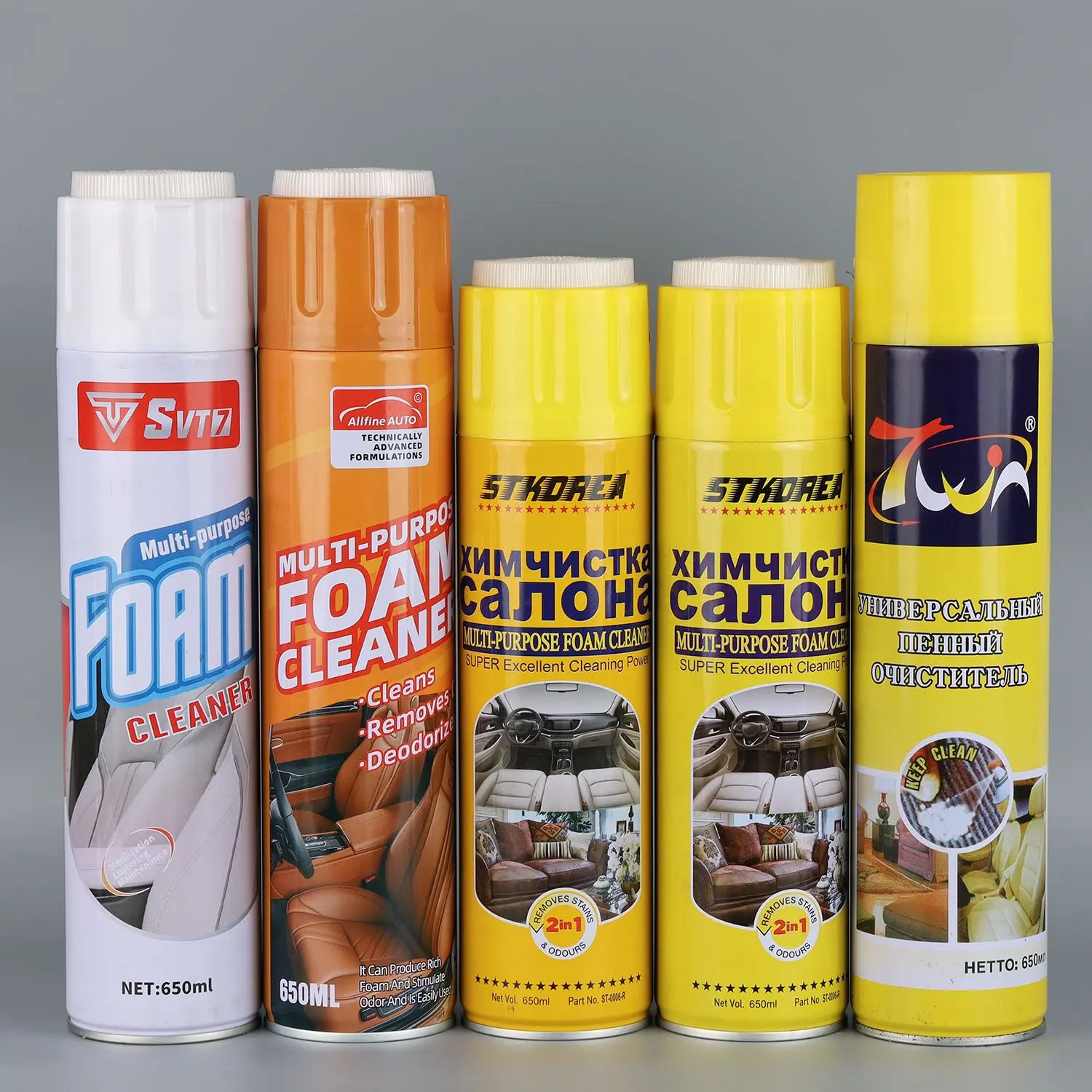
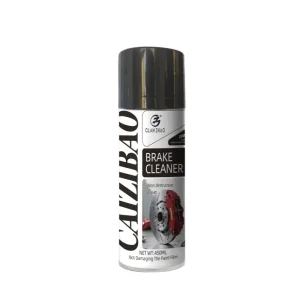
Beyond standard cooking fuel, our industrial portfolio (such as ODM fast-acting brake cleaners, window track lubricants, and foam sealants) supports automotive workshops across Canada. These products protect moving mechanical components from road salt erosion, extreme ice, and sub-zero seizing.
Whether for summer lakeside cottages in Quebec or RV caravans traveling through the Yukon, portably stored aerosol products (including anti-insect solutions, expanding foams, and quick-setting repair sprays) are crucial to protecting assets from rapid moisture buildup and wood pests.
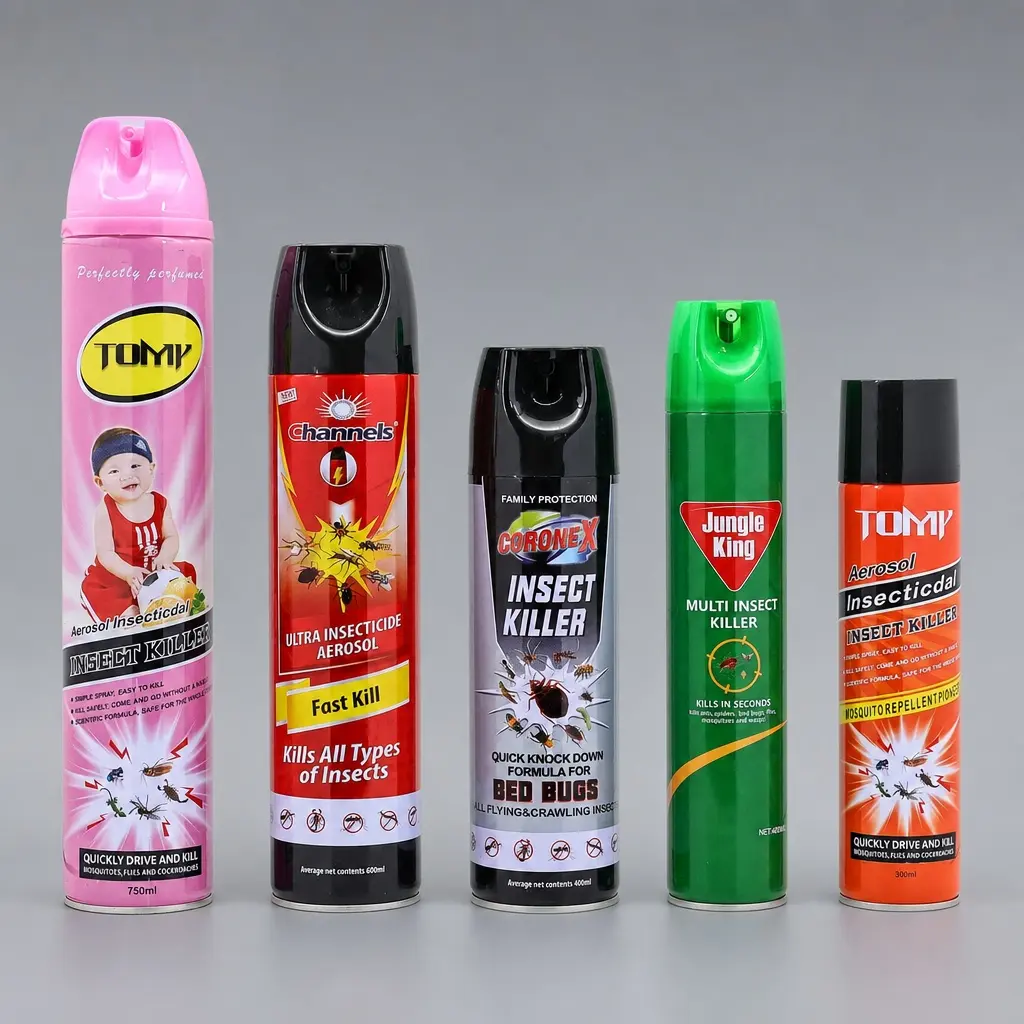
Continuous chemical R&D and mechanical safety integrations that define next-generation aerosol standards.
At Shandong ClanZhao, we believe safety is the foundation of product quality. Through collaborative research with leading universities, we continuously engineer advanced pressure-control technologies. By studying the physical limitations of tinplate containers under thermal stress, we integrate structural features that minimize risk in residential and industrial environments.
Our Countersink Release Vent (CRV) technology releases internal pressure safely in case of abnormal heat buildup, preventing sudden canister structural failures.
Transitioning toward low-GWP (Global Warming Potential) hydrocarbon propellants, aligning with Canadian environmental laws on VOC reductions.
Modifying gas molecular structure ratios to yield clean, soot-free combustion, protecting user health and delicate valve channels.
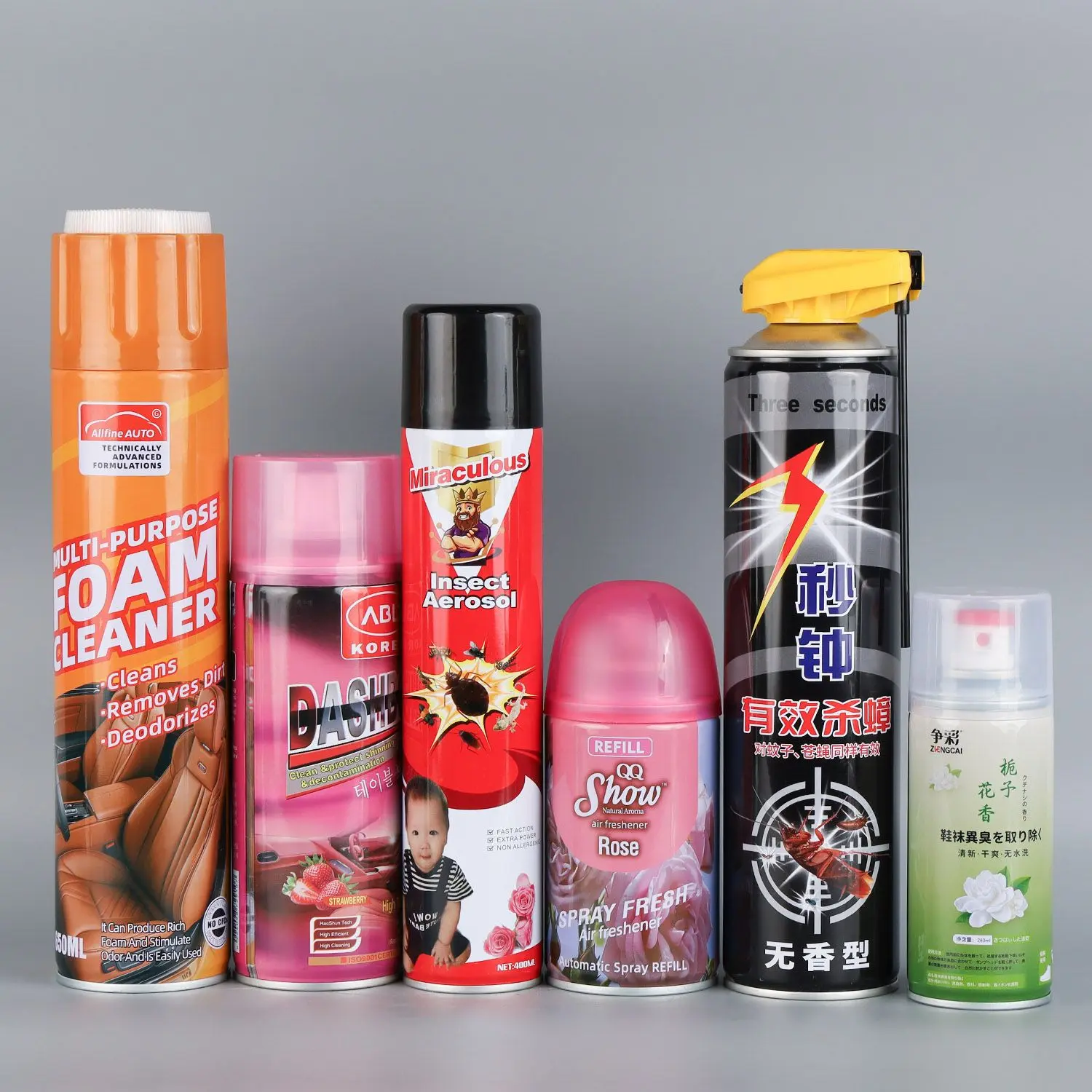
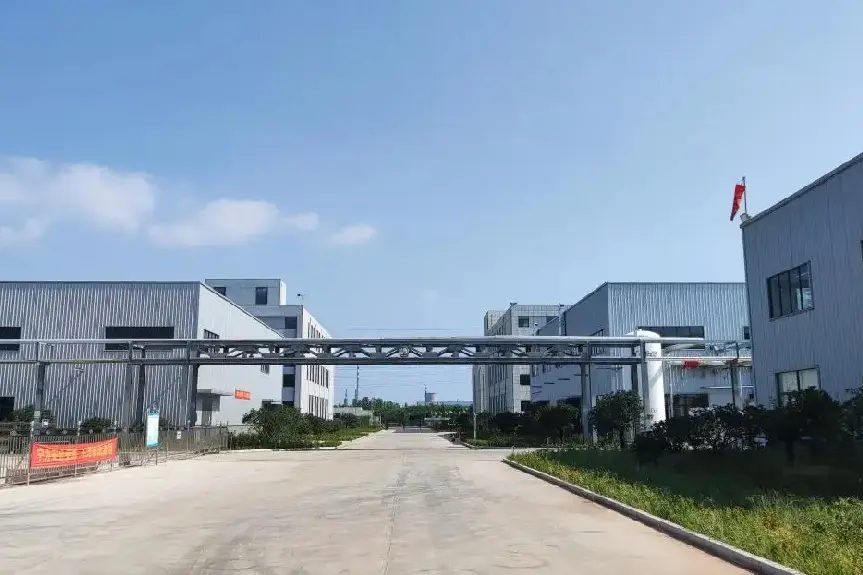
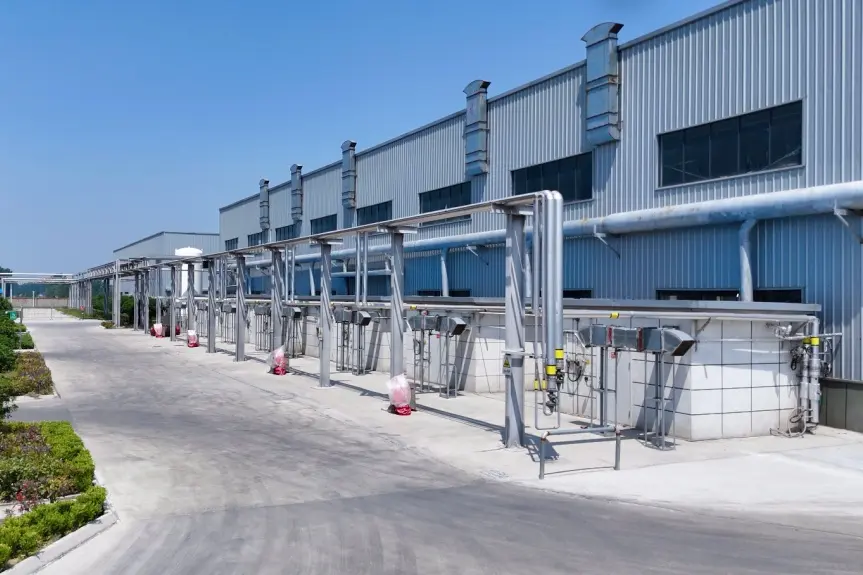
How our localized chemical production hubs guarantee price stability, consistent volume, and predictable transit times.
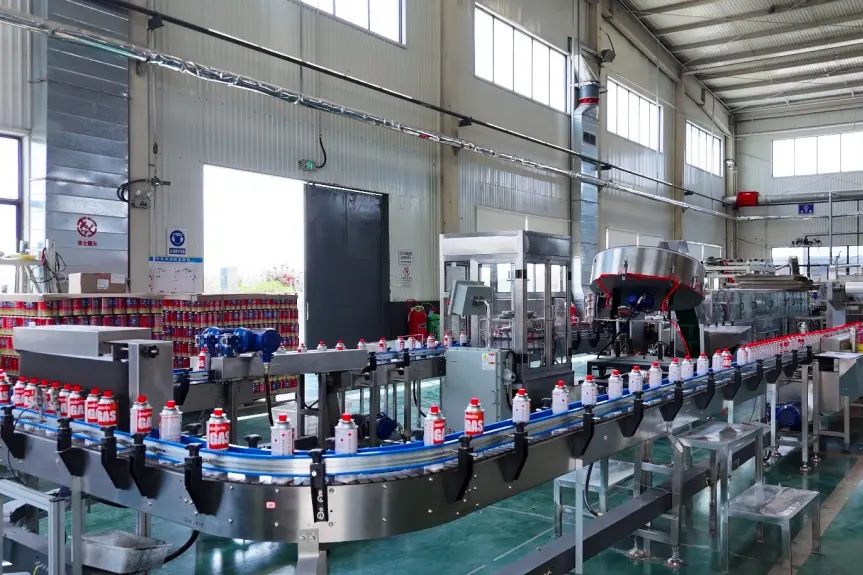
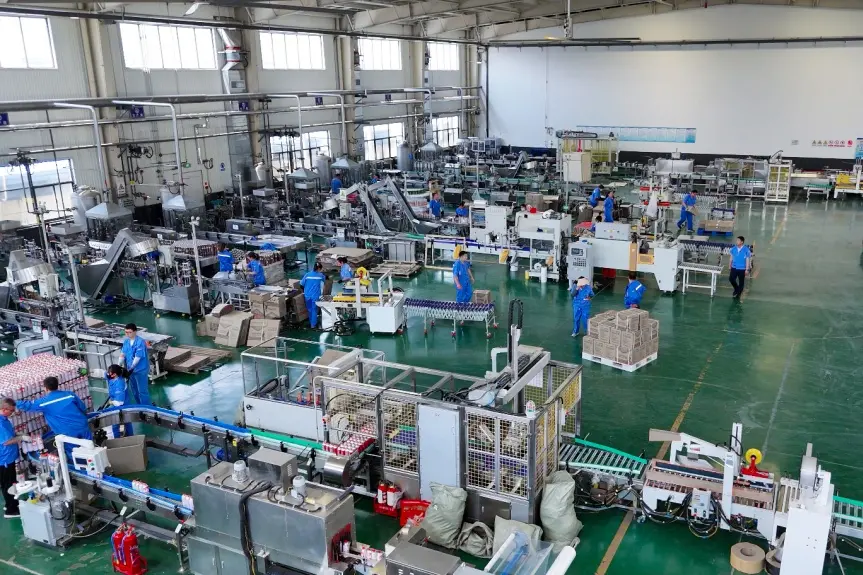
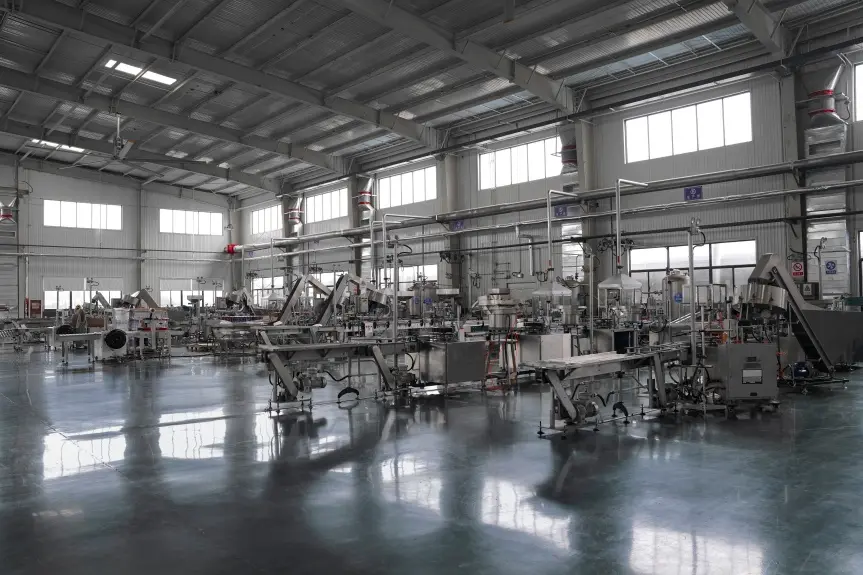
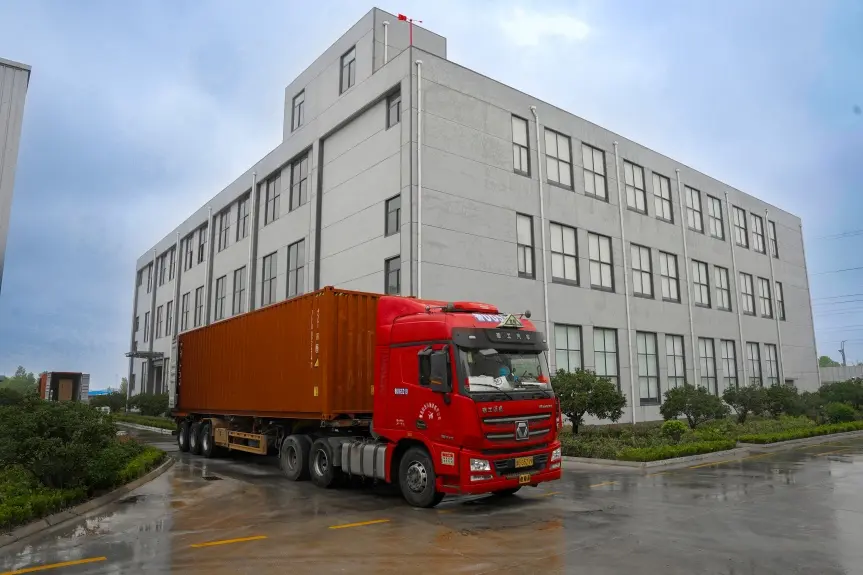
Managing high-volume aerosol imports requires a reliable chemical partner. Linyi Xingguan Fine Chemical Co., Ltd. offers a key strategic advantage through vertical integration. Operating out of our 100,000-square-meter facility in Shandong Province, we manage the entire production process—from raw tinplate sheet processing and automated can lithography to custom chemical blending and high-speed pressurized gas filling.
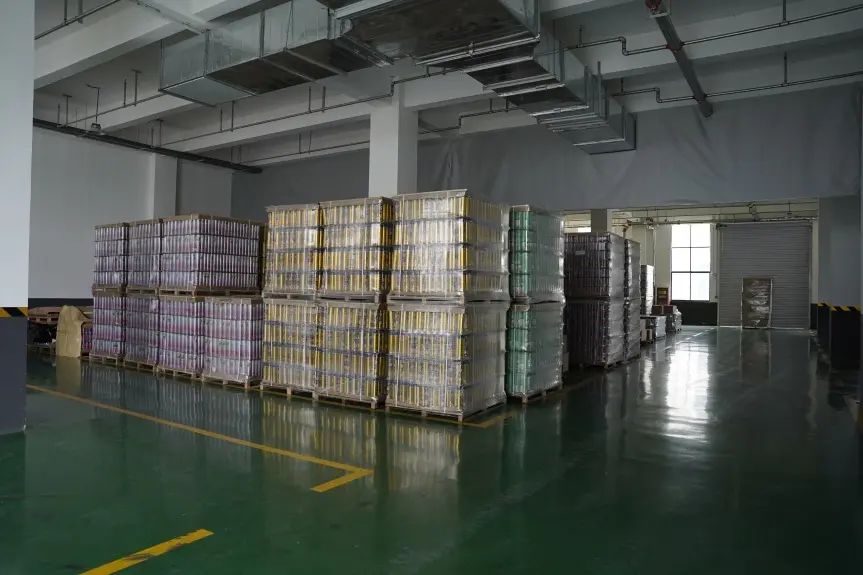
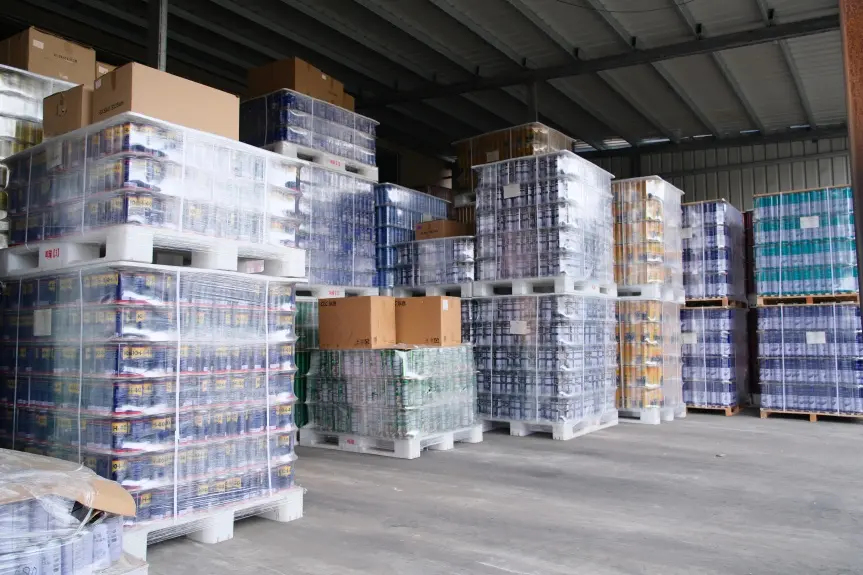
Our facility features 10 fully automated high-speed filling lines running under strict safety protocols, allowing us to produce tens of millions of aerosol cans annually. This scale provides protection against raw material price shocks and ensures reliable scheduling for bulk shipments, protecting our Canadian wholesale partners from stockouts.
Furthermore, our close proximity to main international shipping hubs (such as the Port of Qingdao) streamlines domestic freight handling. Our logistics team handles dangerous goods customs classifications, export certifications, and container safety procedures, ensuring smooth delivery to major Canadian distribution centers in Vancouver, Montreal, and Halifax.
How we ensure all product batches are legally cleared for import, distribution, and commercial sale in Canada.
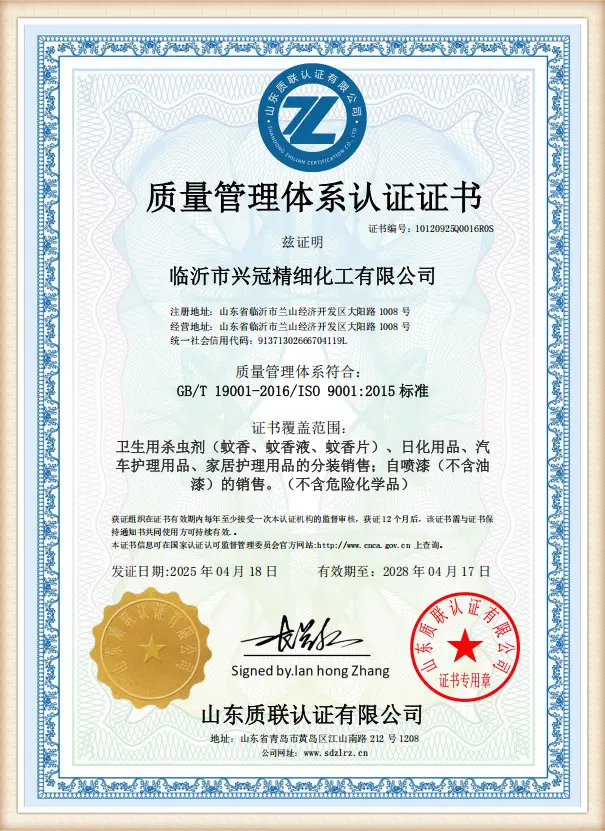
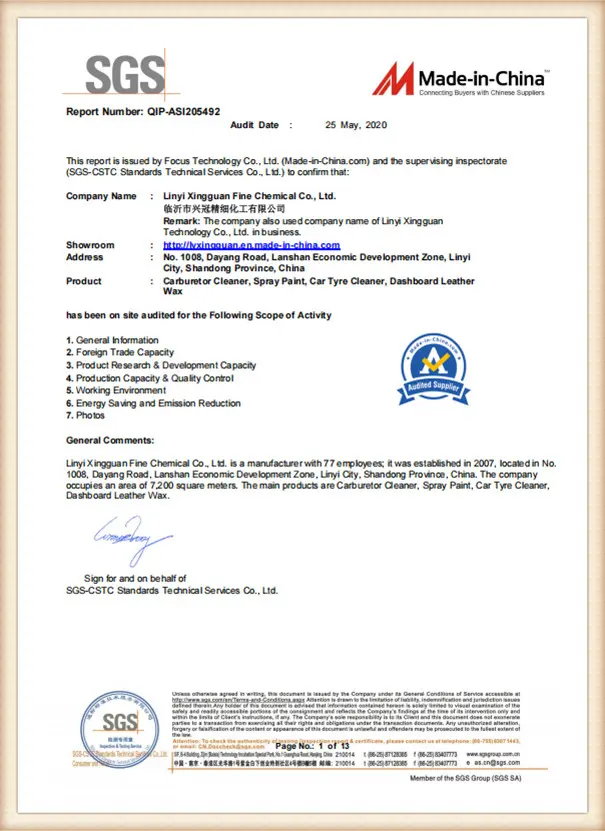
Exporting pressurized gas and volatile chemical compounds into North America requires strict adherence to international safety protocols. Our parent production facility operates under the ISO9001:2015 Quality Management System, confirming that every step of our manufacturing process—from raw chemical inspection to final packaging—is monitored and documented.
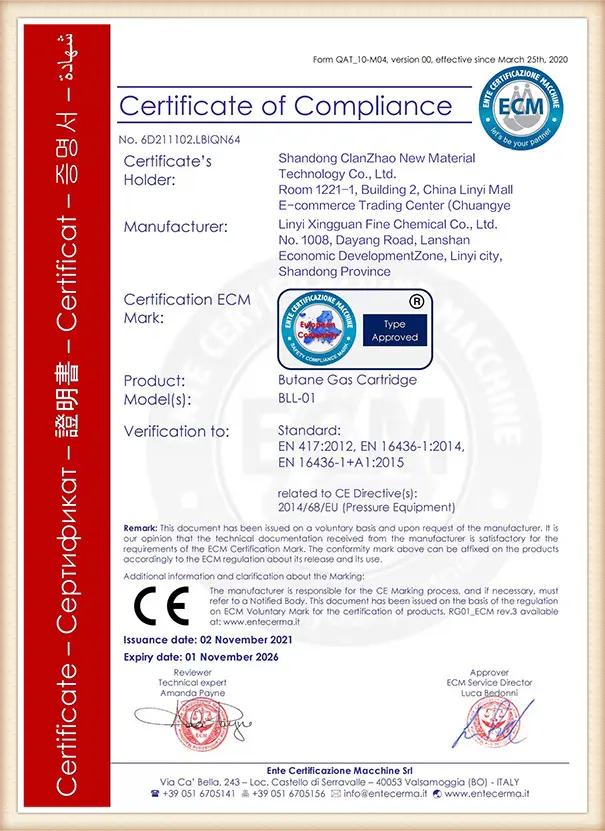
Additionally, we hold official hazardous chemical manufacturing licenses and special packaging certificates for exporting dangerous goods. Our products are fully compliant with Canada's WHMIS 2015 (Workplace Hazardous Materials Information System), and we provide detailed safety documentation (SDS) containing compliant GHS classification symbols, first-aid instructions, and local hazard warnings.
We work closely with shipping lines and ports to ensure our dangerous goods packaging certificates align with IMDG codes, minimizing delays at Canadian ports of entry.
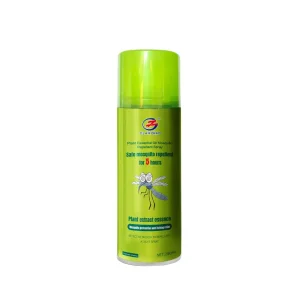
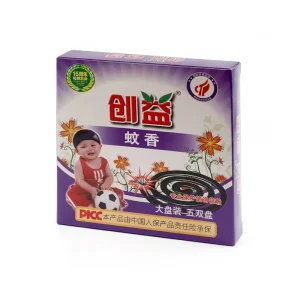
Premium specialized products designed to meet diverse trade, residential, and auto maintenance requirements across Canada.
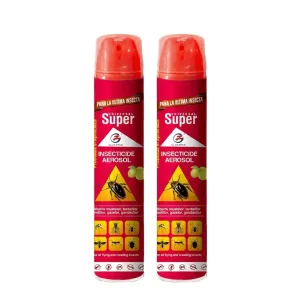
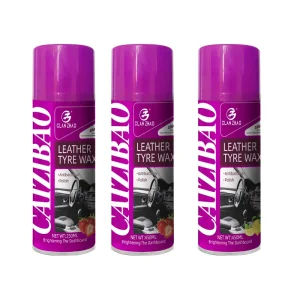
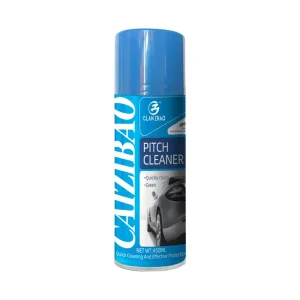
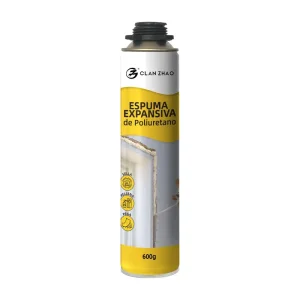
Answering key regulatory, technical, and logistic questions about importing card-type gas and chemical aerosols into Canada.
Partner with a safety-certified chemical manufacturer. Get in touch with our engineering team to request custom gas blend tests, custom packaging options, and logistics estimates for the Canadian market.
 ClanZhao New Material