Industrial grade aerosols, specialized cleaning formulations, and protective coatings for worldwide distribution.
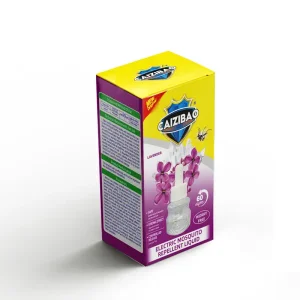
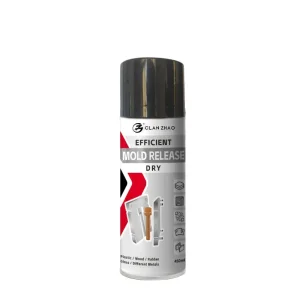
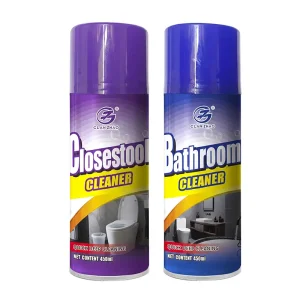
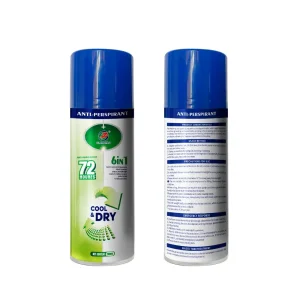
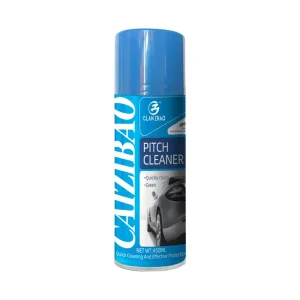
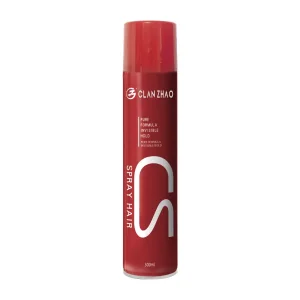
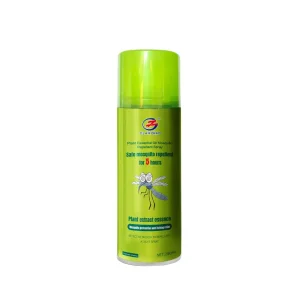
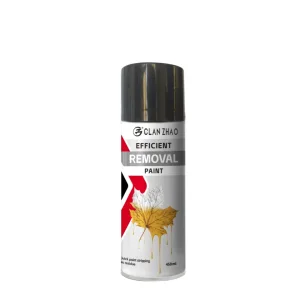
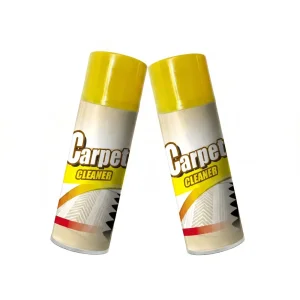
The global automotive detailing chemical sector is transitioning from standard surfactant formulations to high-performance, substrate-specific cleaning agents. As global automotive ownership rises and fleet operators demand faster maintenance cycle times, the requirement for highly specialized, dry-foam, and residue-free Vehicle Carpet Cleaners has surged. Brands and bulk-purchasing organizations need chemical contract manufacturing partners capable of meeting complex regional needs.
In North America and Europe, stringent environmental parameters such as VOC (Volatile Organic Compounds) limits dictate chemical formulations. Meanwhile, buyers in rapid-growth regions like Latin America and the Asia-Pacific focus on highly concentrated formulas that minimize container sizes and reduce maritime transport costs. A competent OEM/ODM chemical supplier must maintain formula elasticity to adapt to local markets without compromising performance.
The science of lifting heavy grease, road grime, salt stains, and organic soils from deep within automotive textile structures.
Modern vehicle carpet cleaning revolves around dry-foam technology. The cleaner is formulated with high-yield foaming agents that lift soil away from carpet fibers, trapping dirt in a suspended micro-cellular matrix. This action limits liquid penetration into deep carpet backing padding, which prevents inner rust, mold formation, and bad odors while ensuring rapid dry times.
Unlike basic consumer carpet detergents that rely on heavy mask-perfumes, professional vehicle carpet cleaners use bio-enzymes or chemical encapsulators (such as zinc ricinoleate). These active ingredients chemically bind with sulfurous and nitrogenous odor molecules, neutralizing smoke, food spills, and pet odors at the molecular level.
Post-clean protection is a standard feature in high-end vehicle detailing solutions. Specialized fluoropolymers or siliconate polymers are integrated directly into the cleaner's formulation. Once dry, these additives deposit a microscopic, low-surface-energy barrier on the carpet fibers, preventing subsequent liquid spills and dry soils from adhering.
Shandong ClanZhao New Material Technology Co., Ltd. is a specialized foreign trade subsidiary wholly-owned by Linyi Xingguan Fine Chemical Co., Ltd. We focus on the high-end fine chemical industry, specializing in the research and development of aerosol products, large-scale production, and global cross-border export business.
Relying on our parent company's nearly 20 years of accumulation in the fine chemical industry and its mature global channel sales network, the company possesses robust production, sales, and R&D capabilities. We have collaborated with several renowned universities and professional research institutions to establish joint R&D laboratories, continuously iterating on formula processes and launching the research and development of new environmentally friendly chemical products.
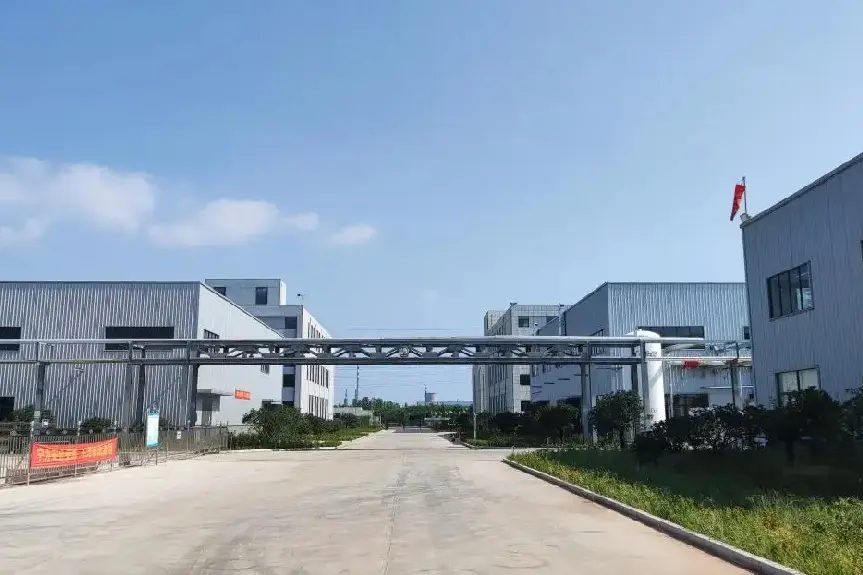
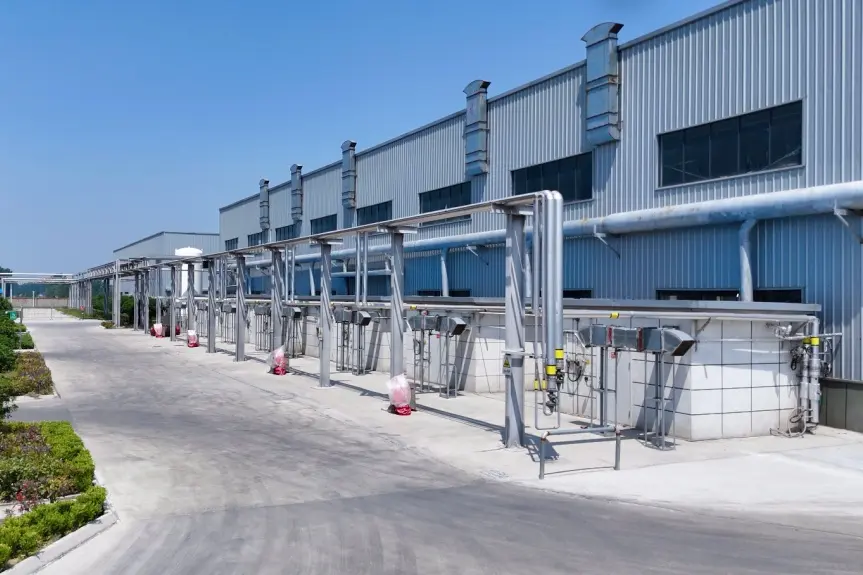
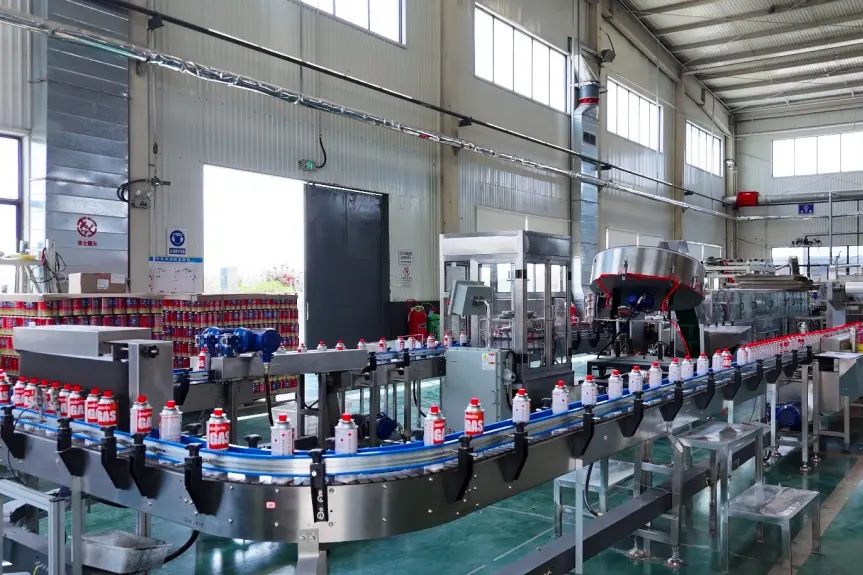
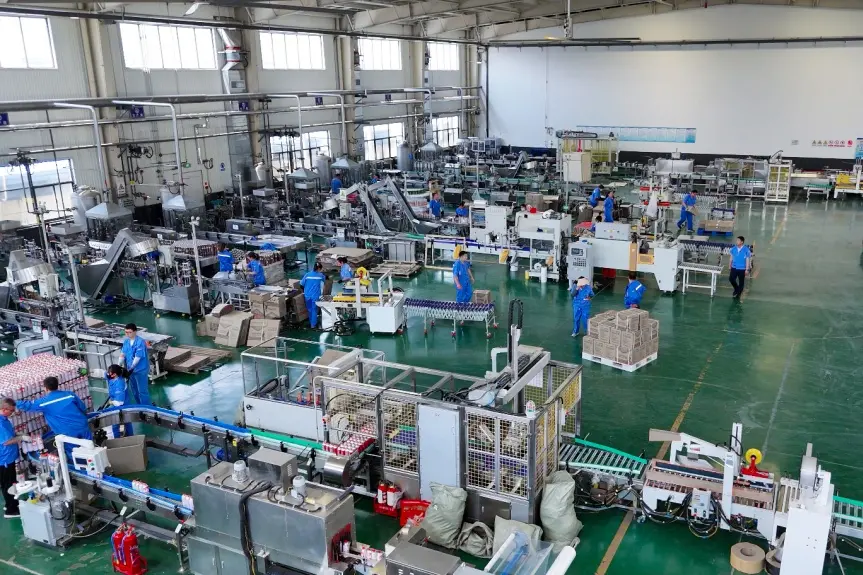
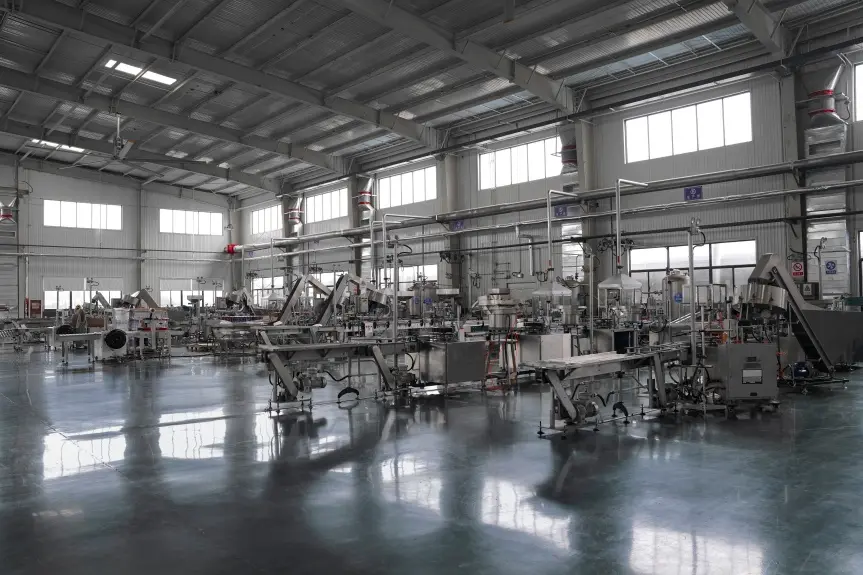
Our production base spans a vast area of 100,000 square meters, equipped with 10 international standard fully automated filling production lines and a full set of precision quality inspection equipment. We have established a standardized quality control system that covers the entire process from raw material storage, production and processing to finished product delivery.
Boasting a comprehensive product matrix layout, we provide highly customizable contract packaging, chemical formulations, and gas-filling solutions.
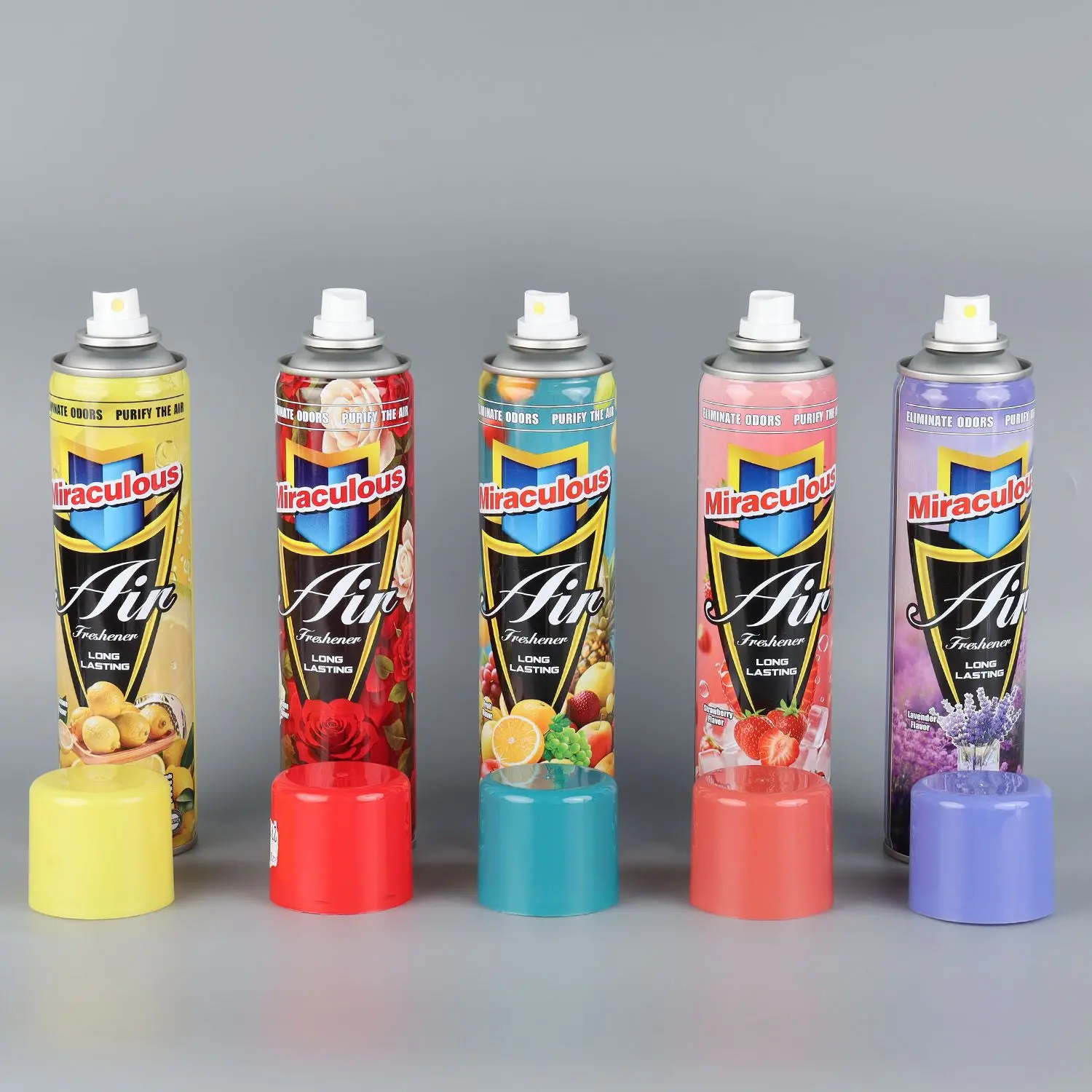
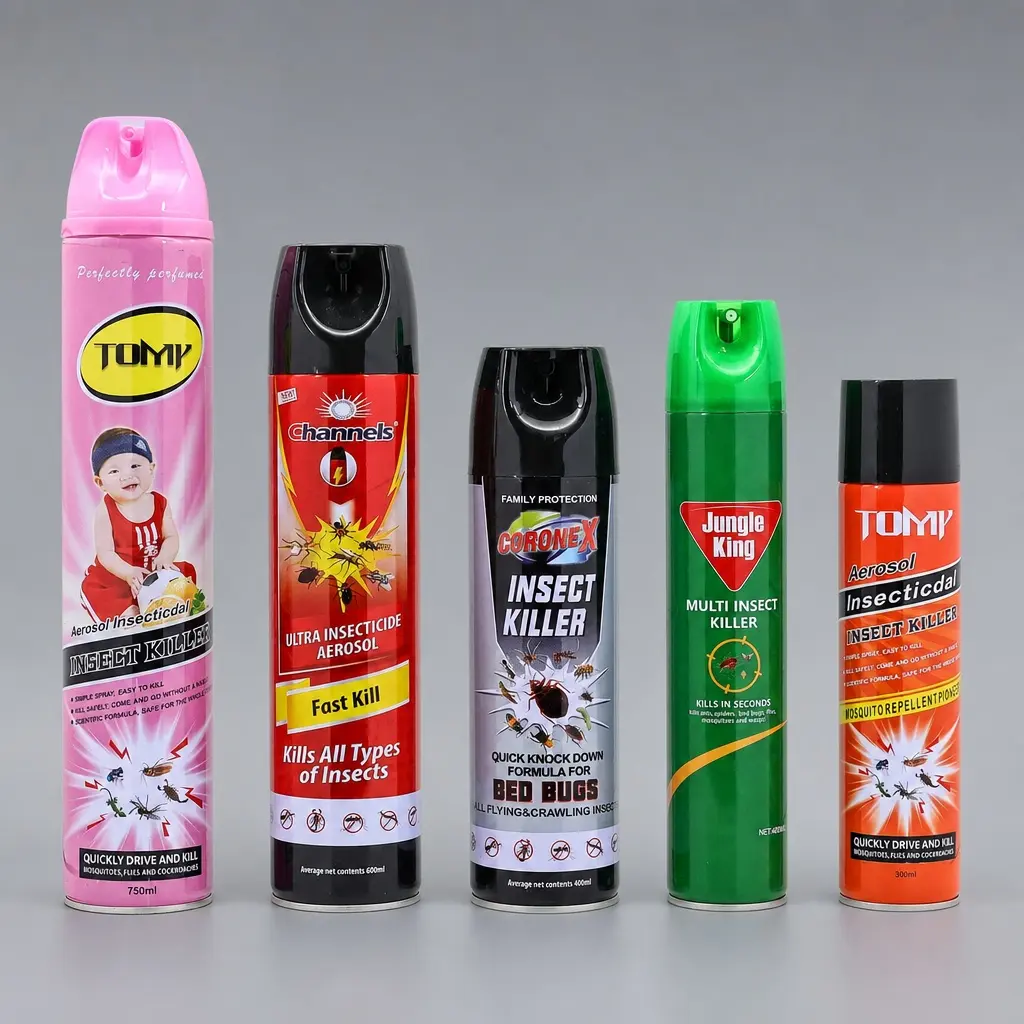
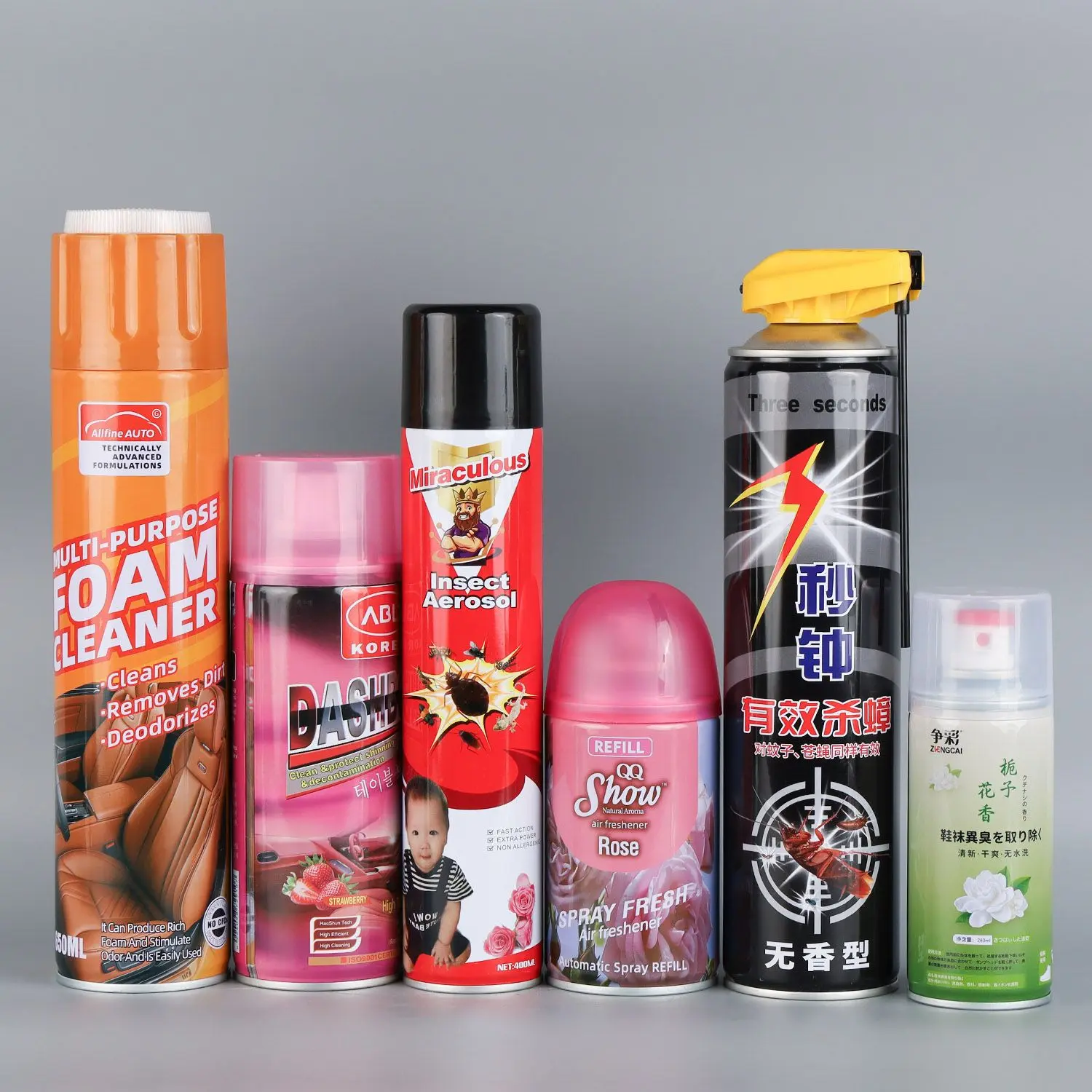
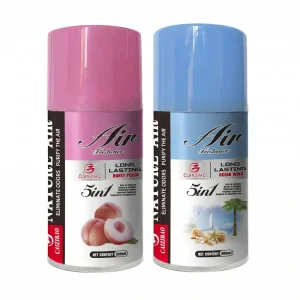
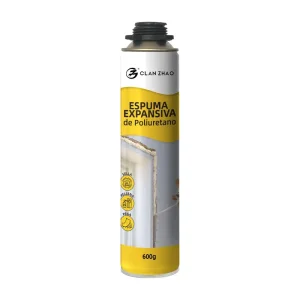
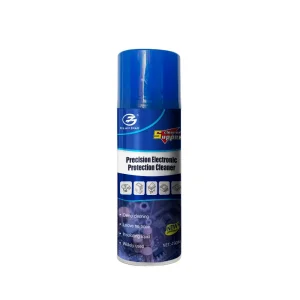
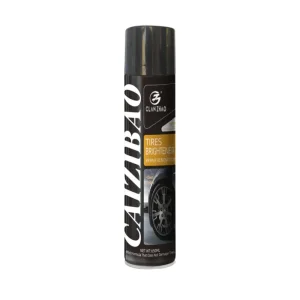
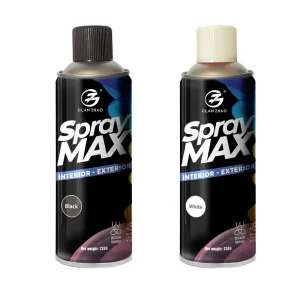
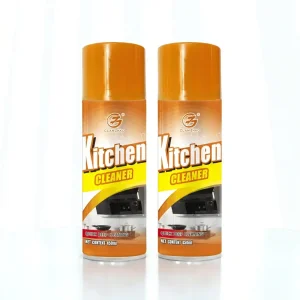
Our company boasts a comprehensive product matrix layout, with core categories spanning eight series: insecticidal aerosols, portable butane gas cylinders, automotive maintenance consumables, household daily chemical products, personal care products, pet cleaning agents, industrial specialized consumables, and foam sealants. Additionally, we offer one-stop, highly adaptable OEM/ODM custom manufacturing services to customers worldwide, deeply matching their differentiated branding and production needs.
In response to global sustainability mandates and the green chemistry transition, our research labs are actively developing the next generation of biodegradable upholstery cleaners. The roadmap focuses heavily on replacing petrochemical-derived surfactants with highly effective bio-surfactants such as alkyl polyglucosides (APGs) and rhamnolipids.
Propellant system selection is another core vector. While traditional LPG (Liquefied Petroleum Gas) remains a staple for standard aerosol configurations due to its pressure characteristics and economical cost, we are implementing green propellants, such as compressed nitrogen and dimethyl ether (DME), which feature zero Ozone Depletion Potential (ODP) and minimized Global Warming Potential (GWP).
Additionally, we are researching smart packaging. High-strength aluminum cans made from recycled alloys and lightweight tinplate designs reduce the carbon footprint of transport. This makes our private label solutions attractive to Fortune 500 chemical brands looking to meet Scope 3 emissions goals.
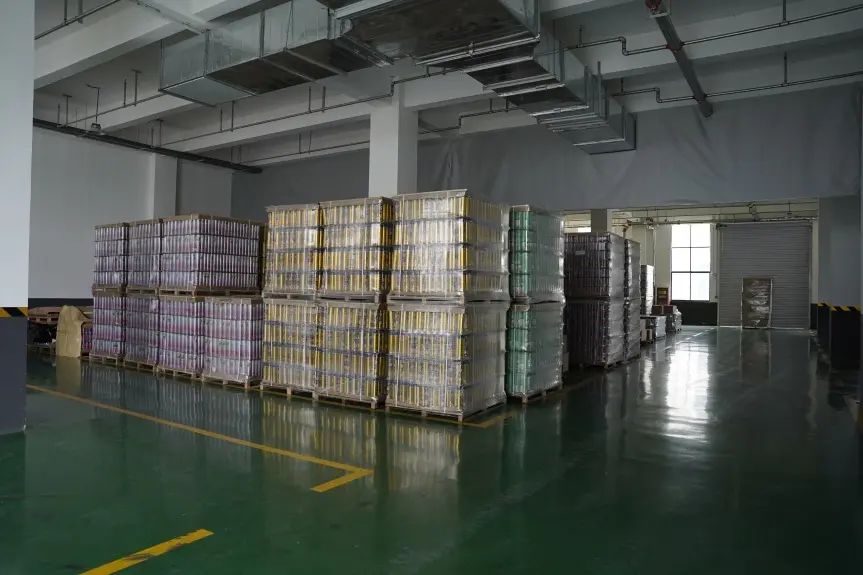
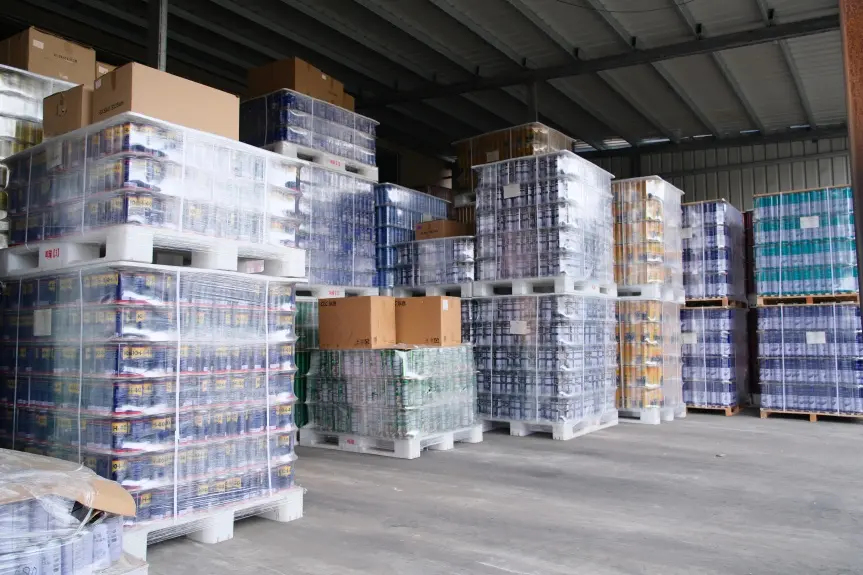
Tour our state-of-the-art facilities: 100,000 square meters of manufacturing excellence, combining automated lines with precise laboratory controls.
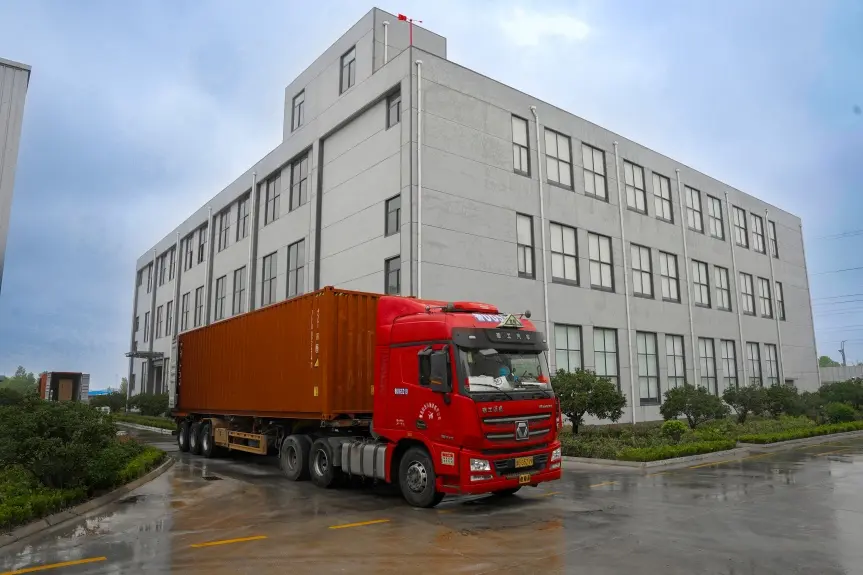
We ensure absolute compliance with international trade frameworks, environmental regulations, and maritime transportation guidelines.
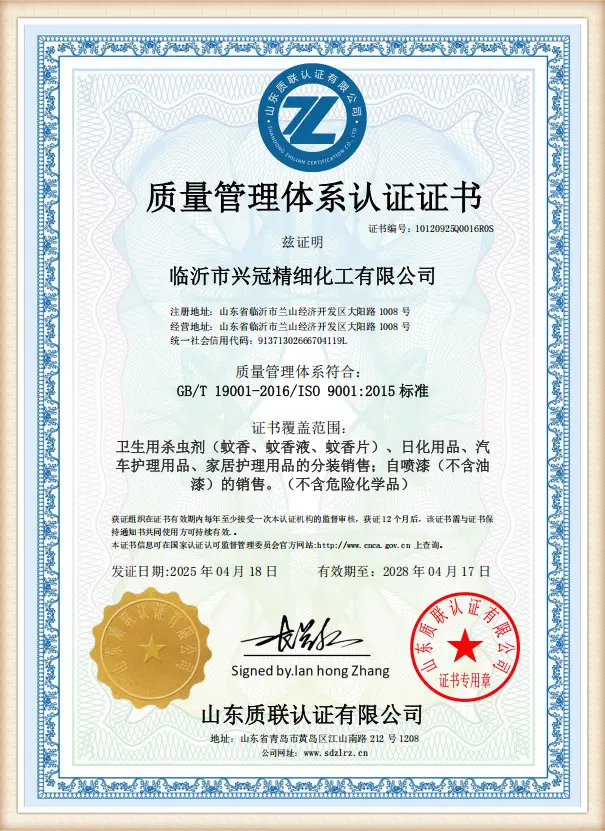
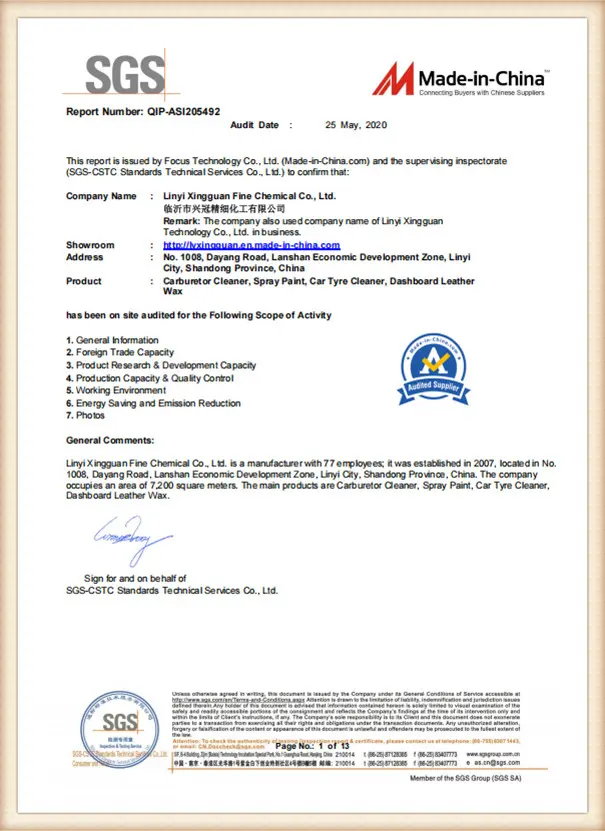
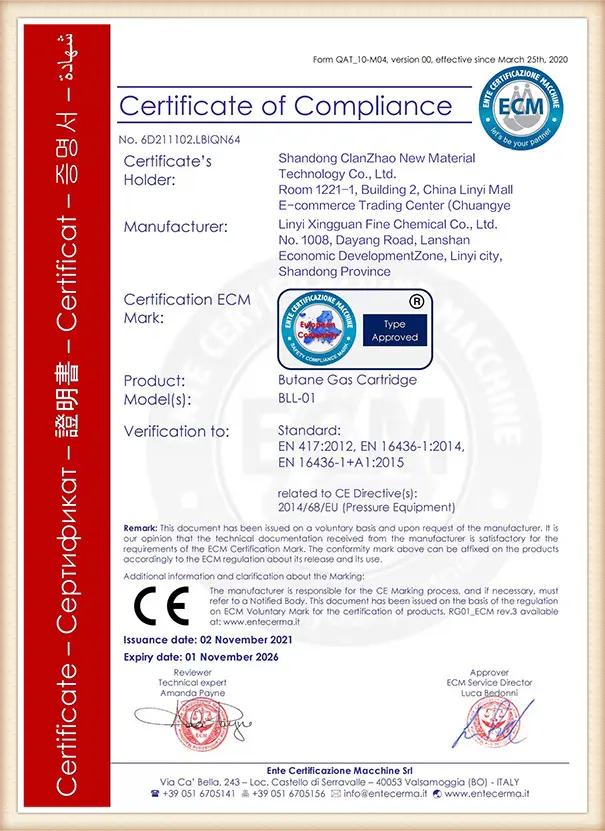
The company has obtained ISO9001 quality management system certification, a formal chemical production license, and special qualification for exporting dangerous goods packaging, ensuring all qualifications are complete and compliant. We are capable of undertaking bulk supply of finished products and customized orders for domestic and foreign brands. We strictly adhere to the compliance standards for cross-border trade, guaranteeing stable delivery of orders for global customers. We are committed to becoming a reliable one-stop supply chain partner in the global aerosol industry.
Aerosol products are classified as Class 2.1 (Flammable Gases) or Class 2.2 (Non-flammable, Non-toxic Gases) dangerous goods under the UN classification system. Exporting these requires strict compliance with maritime dangerous goods regulations (IMDG Code). Our facility holds dangerous goods packaging export certificates, ensuring hassle-free logistics, custom clearance, and stable shipping schedules.
Critical engineering, logistics, and customization questions answered by our technical staff.
For initial OEM orders, the average production lead time is 25 to 30 days. This timeline accounts for packaging design approvals, plate-making for custom lithographed tin cans, chemical sourcing, and laboratory trial batches. Repeat orders with identical packaging and formulation specifications generally ship within 15 to 20 days.
As a certified exporter with dangerous goods packaging qualifications, we arrange booking with shipping lines accustomed to carrying Class 2 aerosols. We compile standard GHS Safety Data Sheets (SDS), transport certificates, and provide custom-designed, drop-tested shipping cartons to guarantee full maritime compliance. We offer FOB, CIF, or CFR shipping terms.
Yes. Our chemical engineering team regularly develops formulas that meet regional VOC (Volatile Organic Compounds) compliance criteria. This includes producing low-VOC formulations for the state of California (CARB regulations) and formulating with REACH-compliant ingredients for European Union distribution.
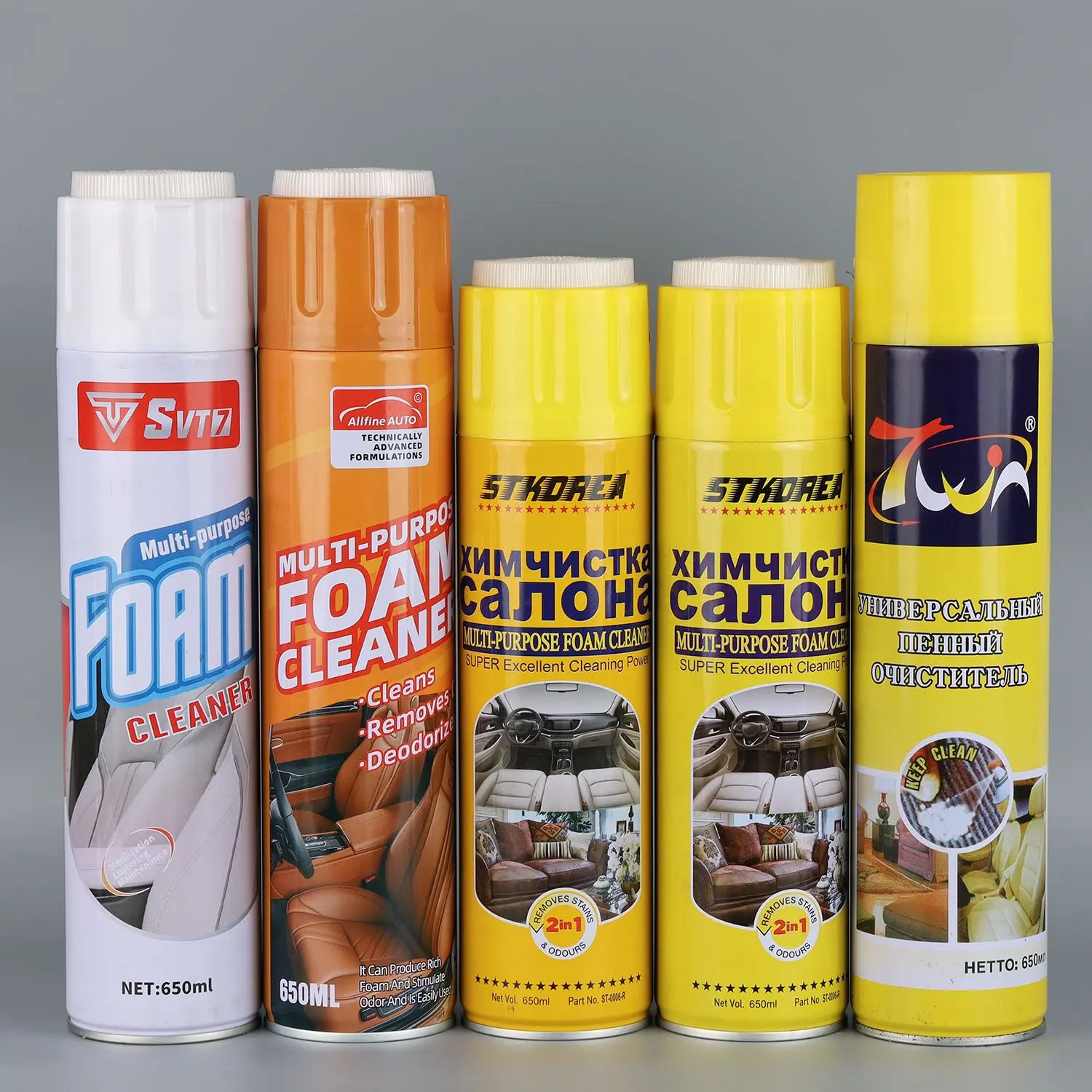
We provide tinplate and aluminum cans in multiple sizes ranging from 250ml to 750ml. In terms of actuation, you can select standard aerosol spray valves, horizontal spray caps, or integrated brush-cap actuators designed to mechanically agitate upholstery fibers during application.
Standard OEM custom runs with custom printed cans generally require an MOQ of 10,000 to 20,000 units, depending on the can size and packaging availability. For standard white-label products utilizing in-house stock containers, we can accommodate smaller MOQ runs starting from 5,000 units.
Leveraging state-of-the-art aerosol chemistry for industrial, automotive, and domestic client needs.
 ClanZhao New Material