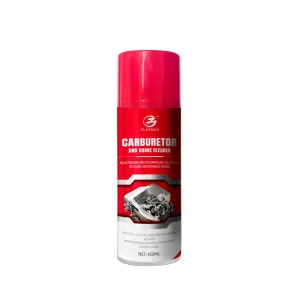
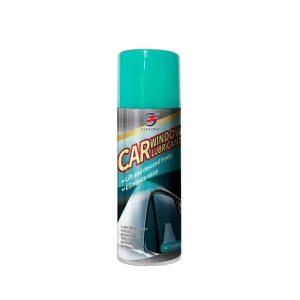
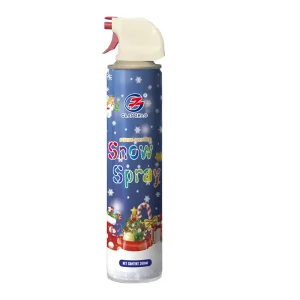
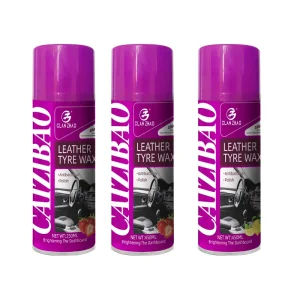
High-performance household chemicals, specialized aerosol products, and industrial maintenance solutions engineered to international standards.
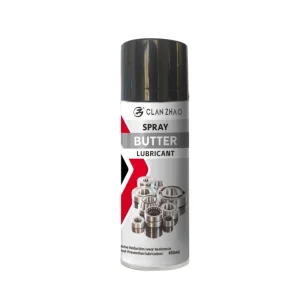
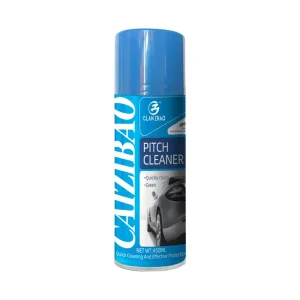
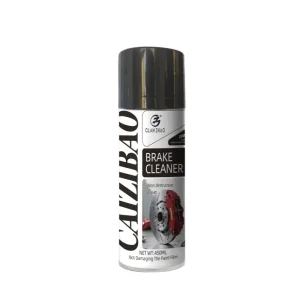
Relying on our parent company Linyi Xingguan Fine Chemical Co., Ltd., which possesses nearly two decades of deep industry expertise, Shandong ClanZhao New Material Technology Co., Ltd. operates as a specialized foreign trade subsidiary dedicated to global chemical export.
We focus exclusively on the high-end fine chemical sector, driving forward research, large-scale production, and cross-border logistics for aerosol solutions. By integrating state-of-the-art chemical synthesis with high-volume contract packaging, we serve as the primary manufacturing partner for recognized pest control brands and industrial distributors worldwide.
Analysis of international market drivers, shifting active ingredients, and environmental standards governing chemical formulations.
The global insecticide market is experiencing a profound transition driven by changing vector ecology, urbanization, and tightening environmental mandates. Historically dominated by organophosphates and carbamates, modern industrial requirements demand target-specific formulations that minimize non-target toxicity. Currently, pyrethroids (such as tetramethrin, cypermethrin, and prallethrin) remain the cornerstone of household aerosol knockdown agents due to their low mammalian toxicity and high insecticidal efficiency.
However, regulatory systems worldwide—including the European Chemicals Agency (ECHA) under REACH/BPR and the United States Environmental Protection Agency (EPA) under FIFRA—are pushing manufacturers toward green chemistry. This shift has accelerated the adoption of natural pyrethrins, biological active ingredients, and botanical extracts like neem and essential oils.
Additionally, propellants have undergone a massive evolution. Hydrofluorocarbons (HFCs) are phased down under the Kigali Amendment, prompting modern factories to implement highly purified liquefied petroleum gas (LPG) and dimethyl ether (DME) propellant systems. ClanZhao leads this integration, optimizing formulations to ensure stable emulsion and optimal droplet size distribution under varied pressures.
Full conformance with REACH, BPR, and regional EPA regulations. Formulation optimization for compliance across North American, European, and Asia-Pacific jurisdictions.
Advanced engineering of pyrethroid and biological vectors to ensure high knockdown rates, long residual protection, and minimal resistance development.
Zero-ODP (Ozone Depletion Potential) propellants using pure-grade hydrocarbons (LPG) and DME systems, calibrated for aerosol emission and droplet control.
How our chemistry lab designs formulations to counter pesticide resistance while guaranteeing safety profiles.
To bypass metabolic resistance in target vectors, we integrate Piperonyl Butoxide (PBO) and other synergistic compounds. These inhibit the insect's detoxifying enzymes (Cytochrome P450 monooxygenases), ensuring rapid active ingredient penetration and immediate knockdown.
Our aerosol valves and actuators are structurally designed to deliver droplets ranging between 15 to 30 microns. This range guarantees sustained airborne suspension, maximizing contact probability with flying insects while avoiding premature ground deposition.
For crawling insect barriers, we design polymeric shell microencapsulation. The active core releases slowly over time, providing up to 90 days of residual efficacy on structural surfaces, resistant to weathering and UV degradation.
Replacing traditional hydrocarbon solvents with emulsion-based water carriers reduces Volatile Organic Compound (VOC) emissions, eliminating flammability risks, strong chemical odors, and inhalation hazards for residential users.
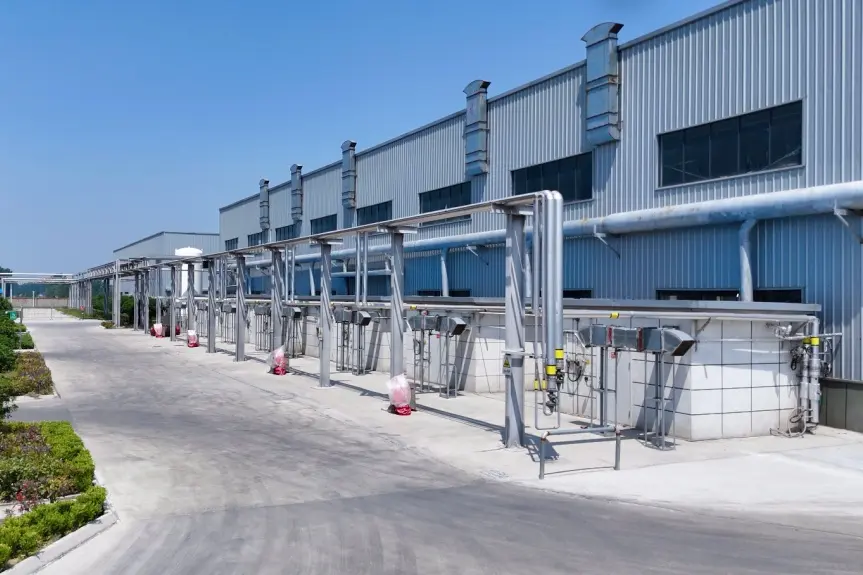
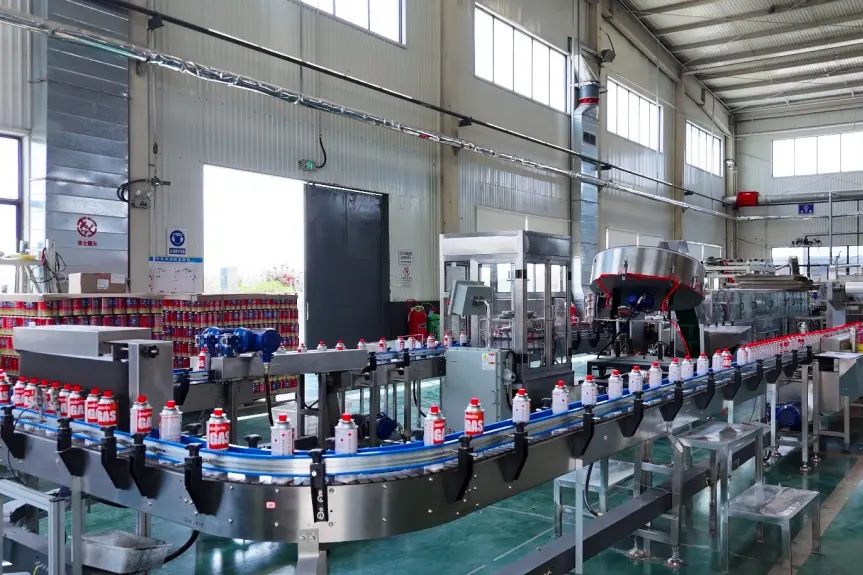
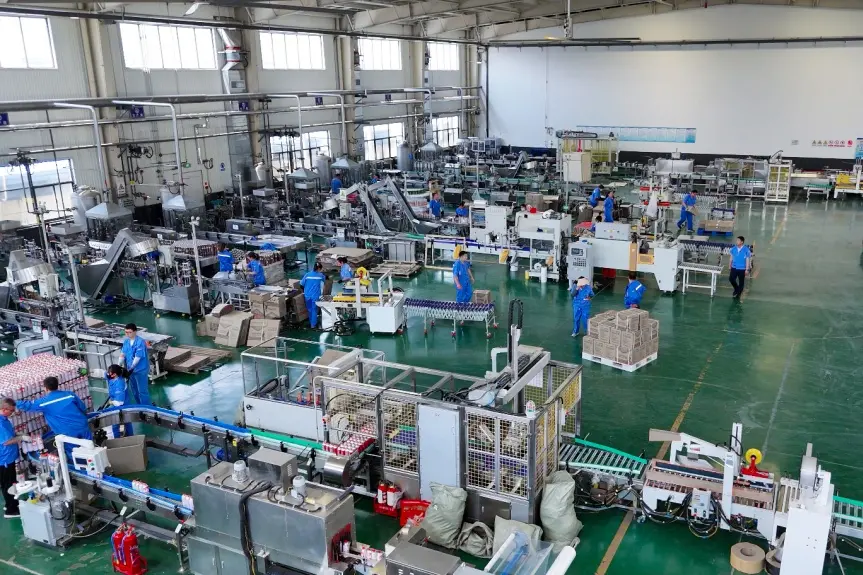
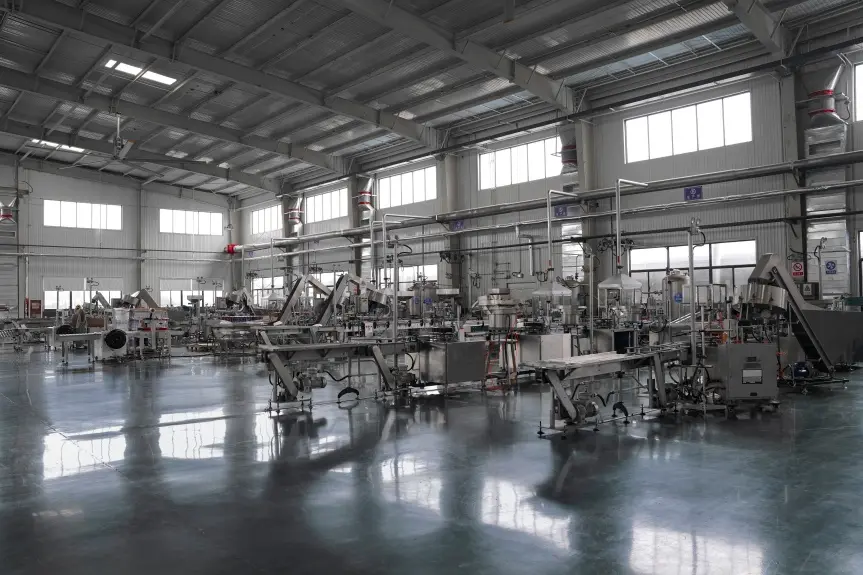
Our 100,000 square meter facility houses 10 international-standard, fully automated aerosol filling lines. These lines operate under strict safety parameters, utilizing explosion-proof architectures required for handling high-pressure gas propellants.
From automated gas charging to computerized water-bath leak testing and online weight checking, every step is monitored to prevent leakage and guarantee weight consistency. Our chemical testing laboratory is equipped with Gas Chromatography-Mass Spectrometry (GC-MS) systems to analyze purity and blend ratios, ensuring that every batch conforms to approved specifications.
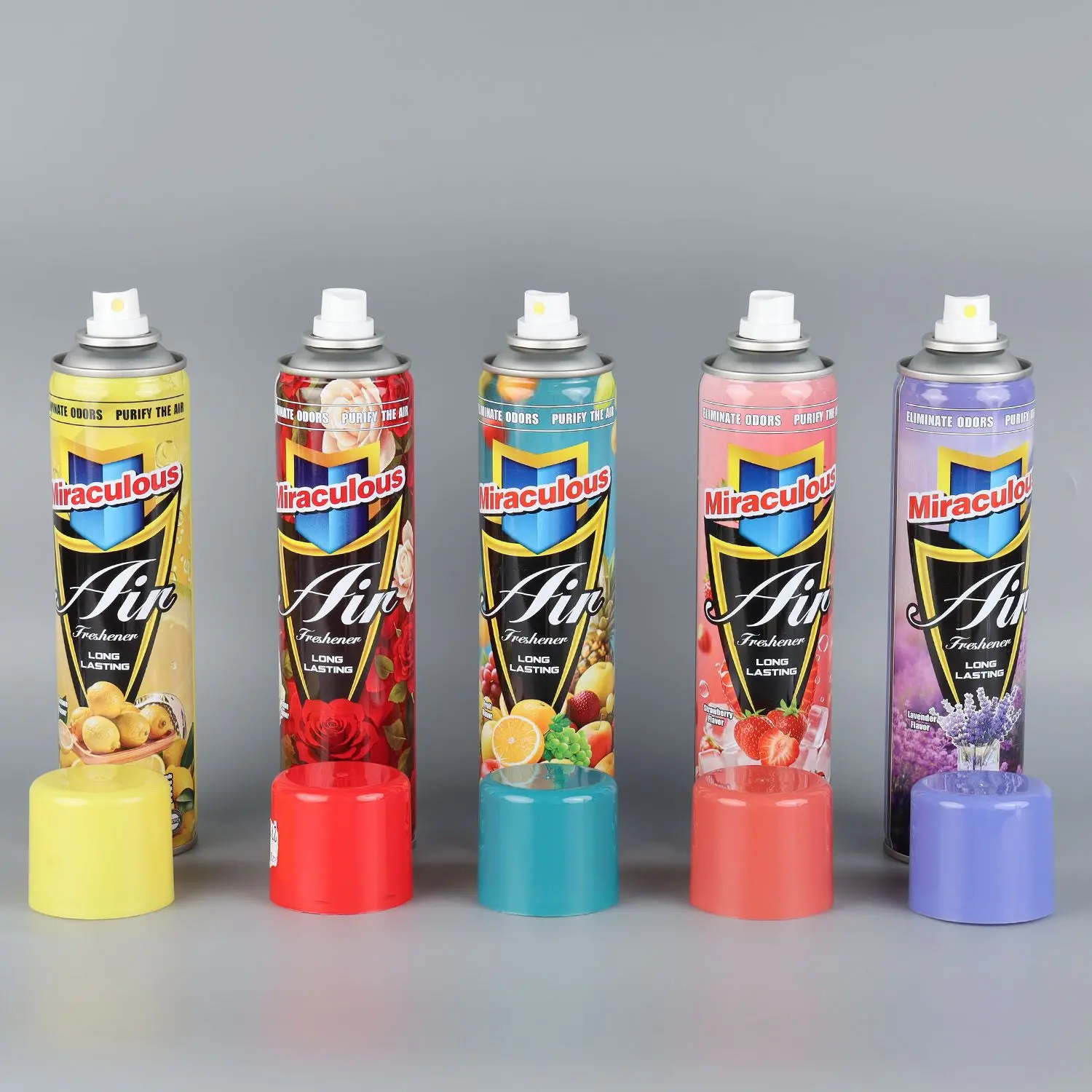
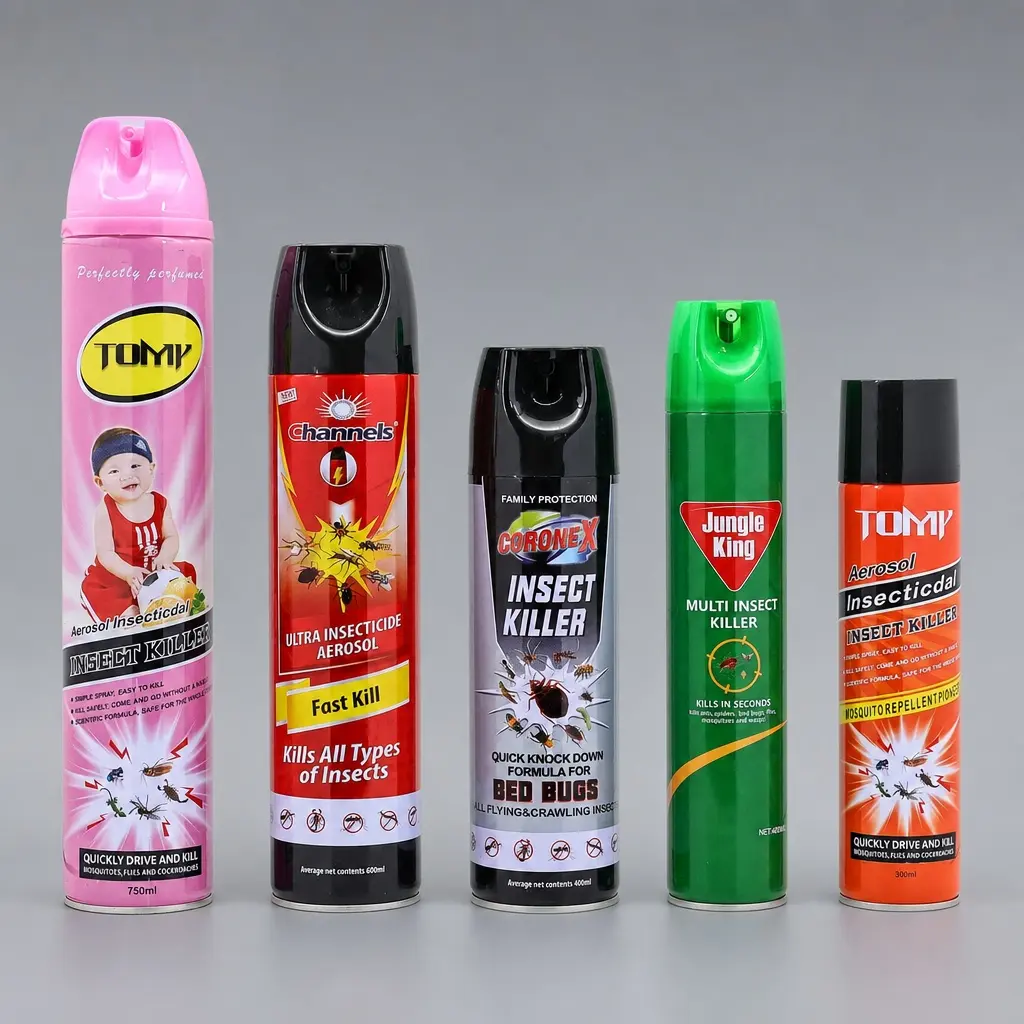
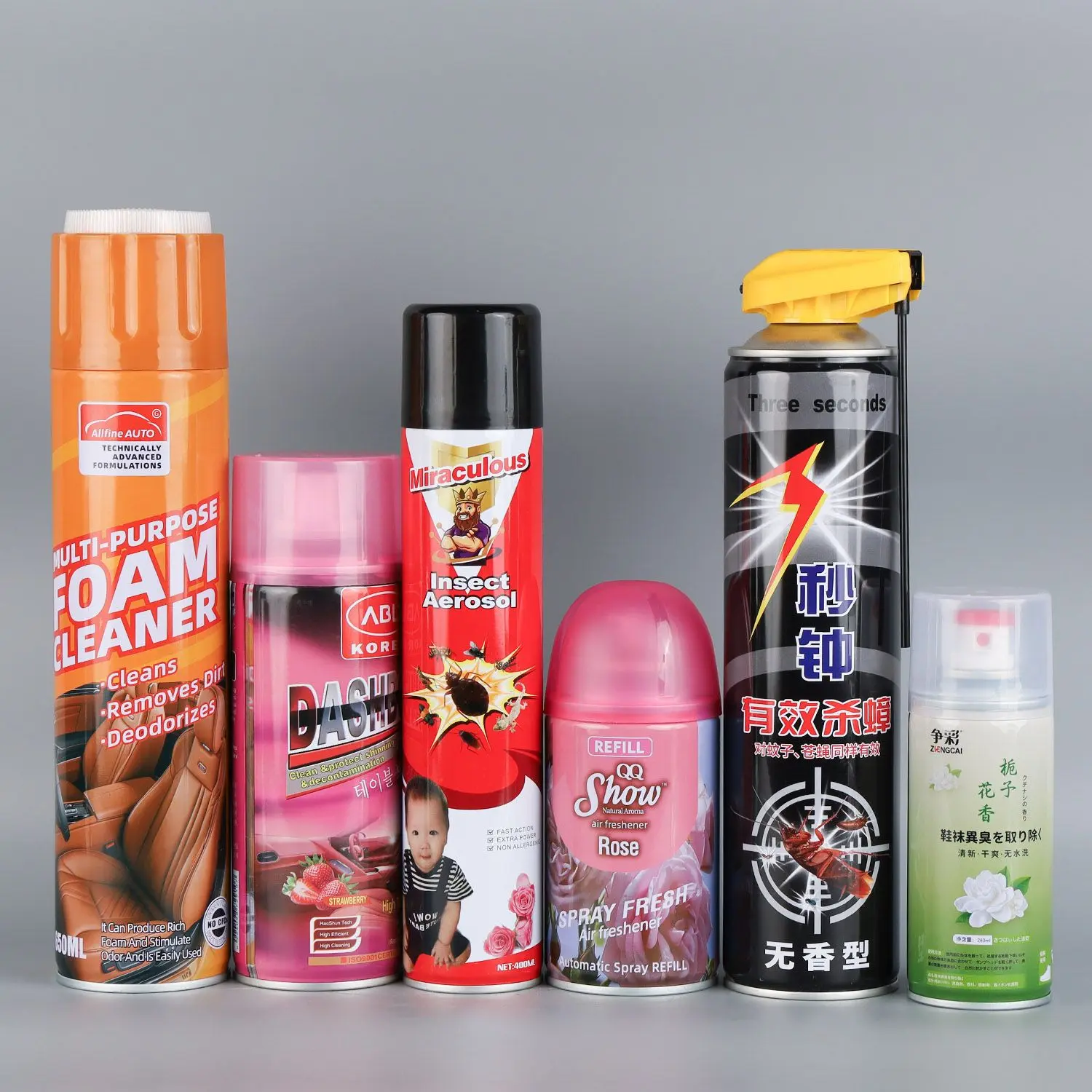
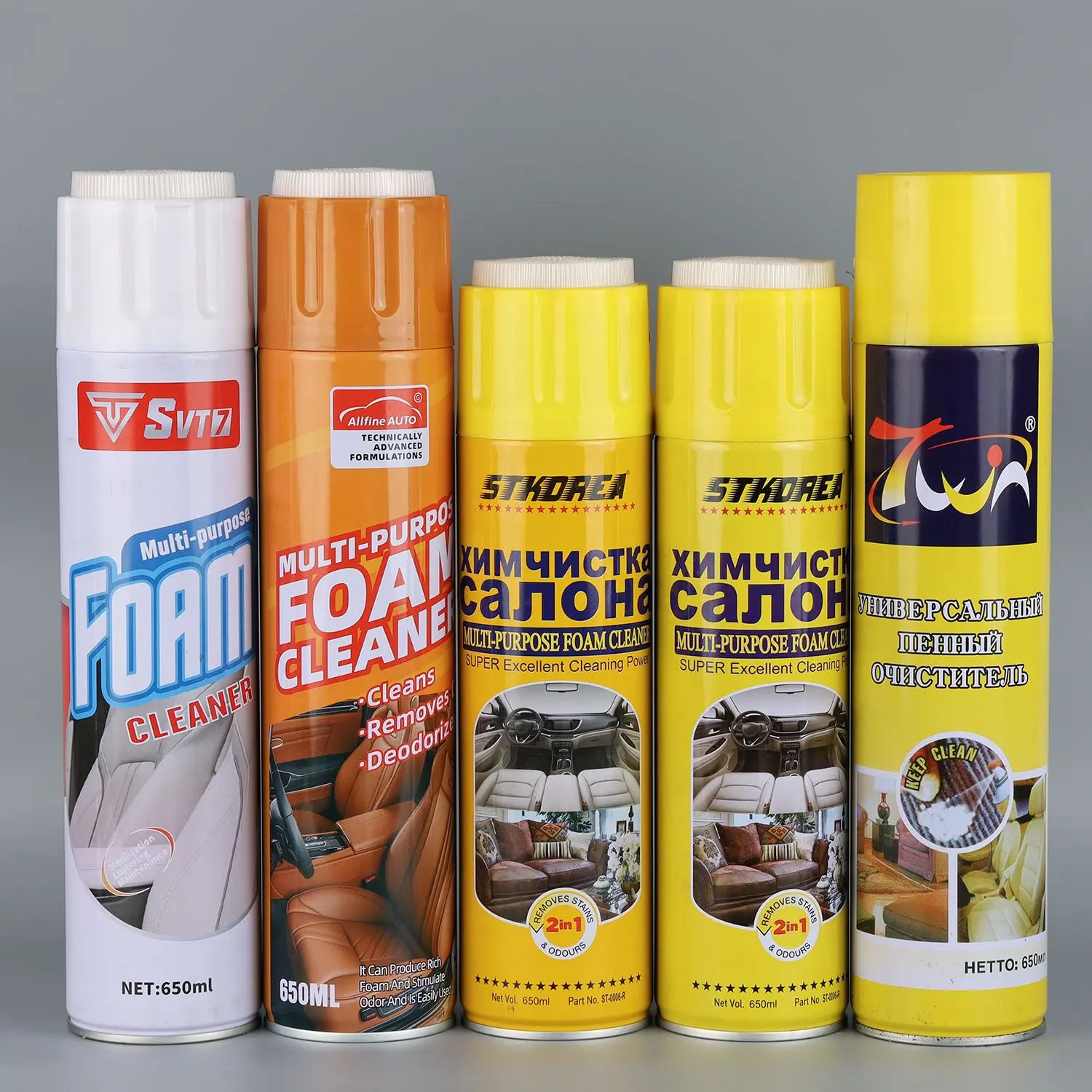
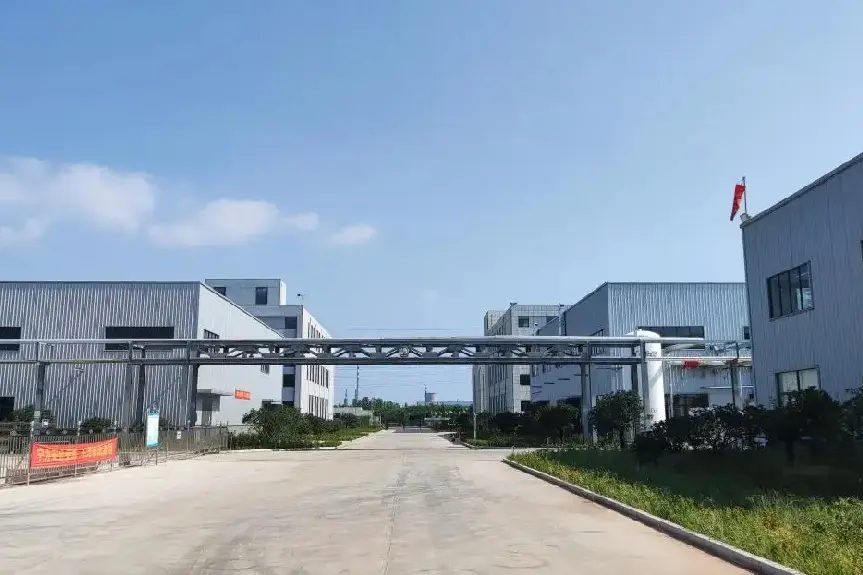
Step inside Linyi Xingguan and Shandong ClanZhao's integrated aerosol production lines, storage yards, and analytical testing centers.
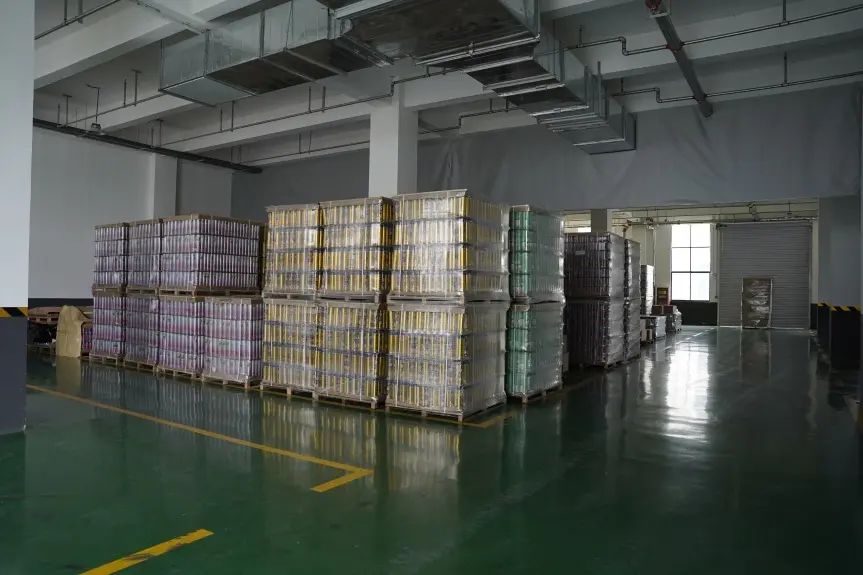
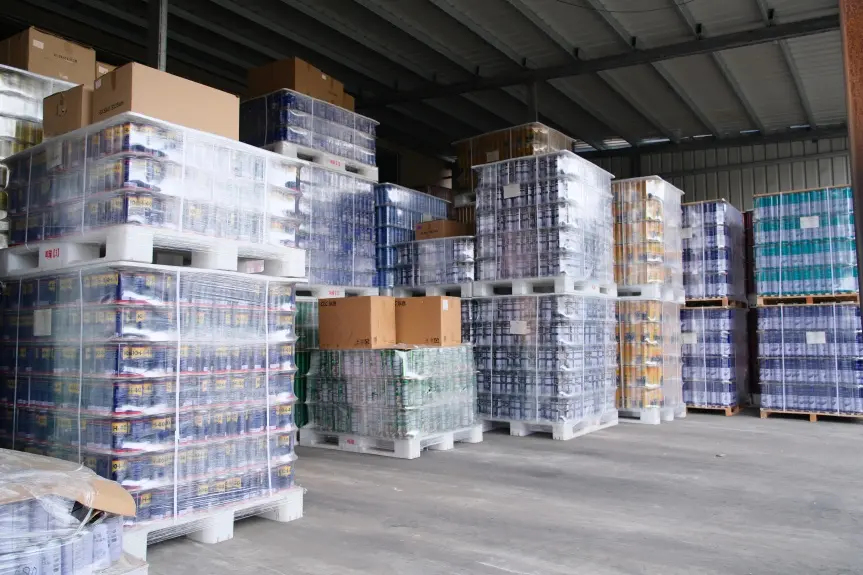
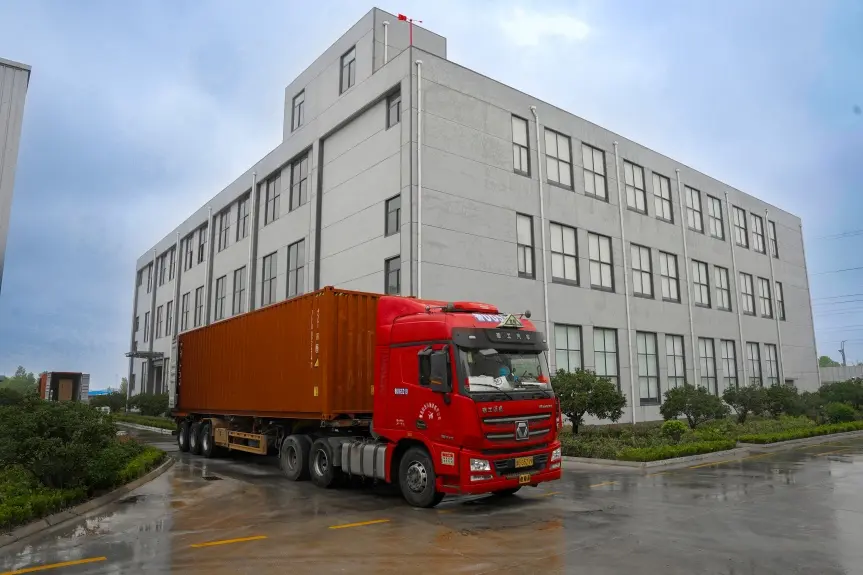
Customized insect control systems deployed across global agricultural, public health, and structural domains.
High-efficacy knockdown aerosols targeting Anopheles, Aedes, and Culex mosquitoes to support public health programs in tropical and subtropical regions facing Dengue, Malaria, and Zika outbreaks.
Heavy-duty residual sprays designed for commercial warehouses, grain storage facilities, and logistics centers to prevent infestations of weevils, beetles, and structural wood-boring pests.
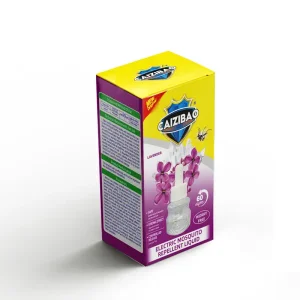
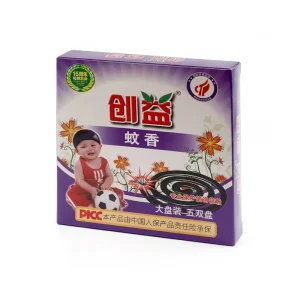
Consumer-ready aerosols, electric liquid vaporizers, and long-lasting mosquito coils engineered with low-odor, low-allergen carriers suitable for indoor domestic use.
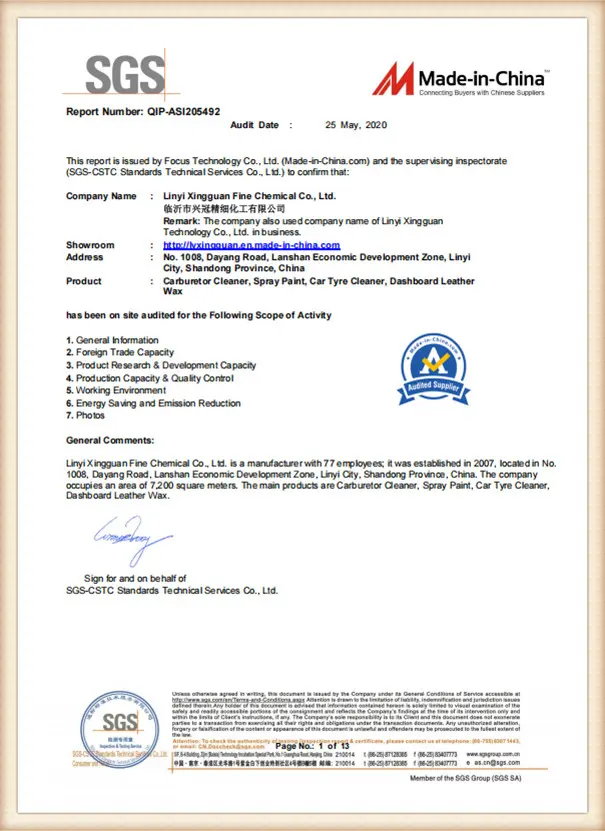
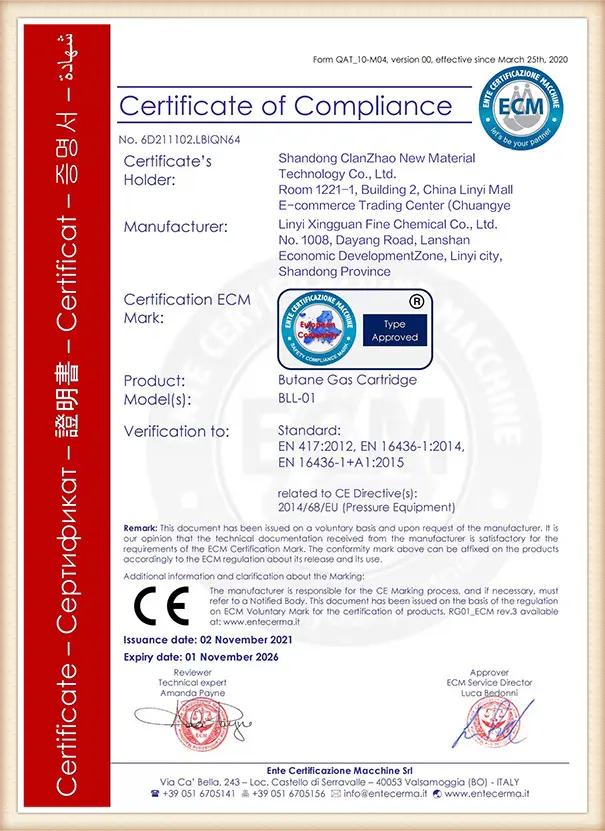
Systematic quality validation, dangerous goods packaging authorization, and secure chemical handling.
Aerosol products are classified as UN 1950 (Aerosols, flammable or non-flammable) Class 2 Dangerous Goods. Shipping these products requires strict compliance with the International Maritime Dangerous Goods (IMDG) Code and the International Civil Aviation Organization (ICAO) technical instructions.
Our manufacturing plant maintains a formal Chemical Production License alongside a specialized qualification for exporting dangerous goods packaging. This ensures that every container, box, and pallet meets United Nations (UN) packing specifications, preventing delays or rejections at international customs ports.
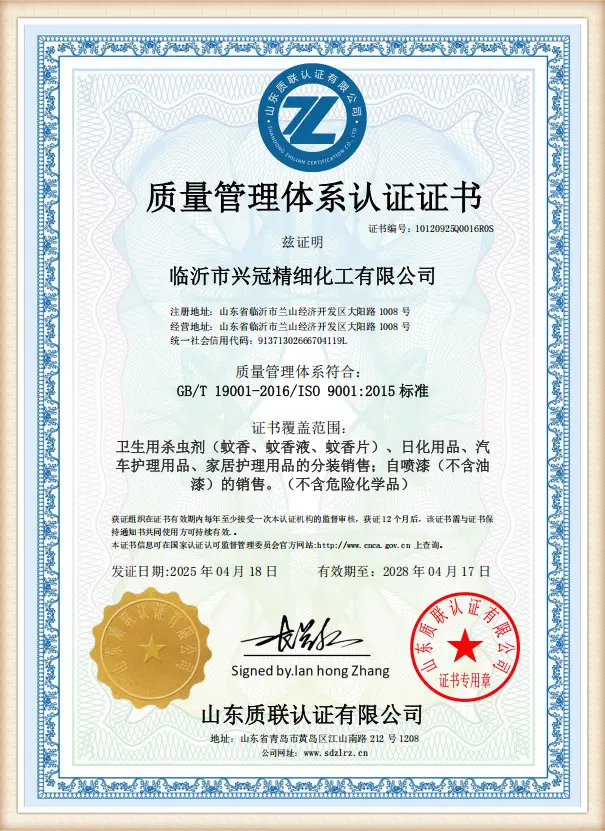
Answering technical, regulatory, and logistics questions from professional procurement and distribution partners.
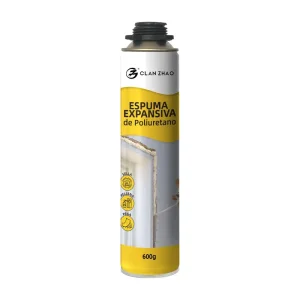
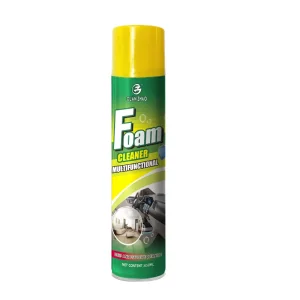
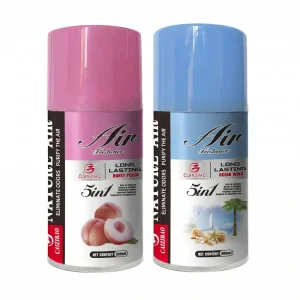
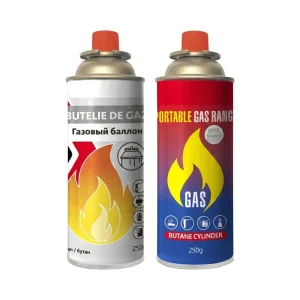
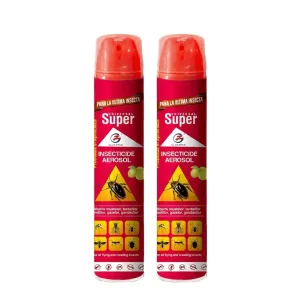
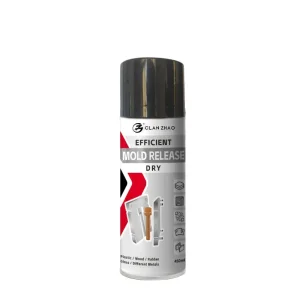
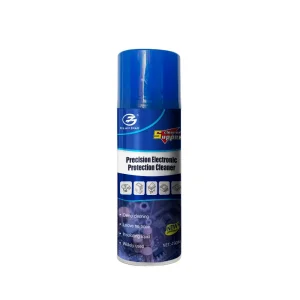
Explore our full catalog of chemical solutions, including gas canisters, aerosol cleaners, and specialized industrial formulations.
 ClanZhao New Material