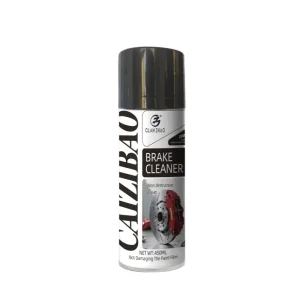
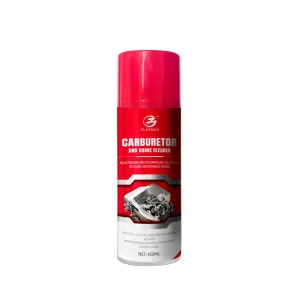
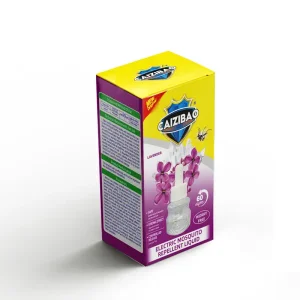
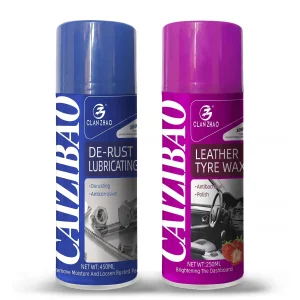
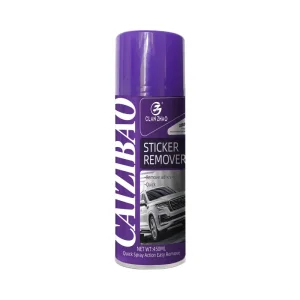
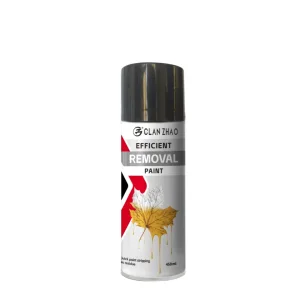
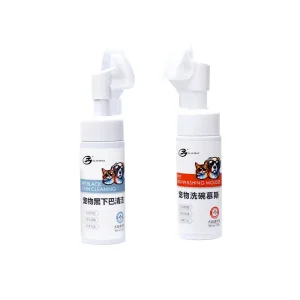
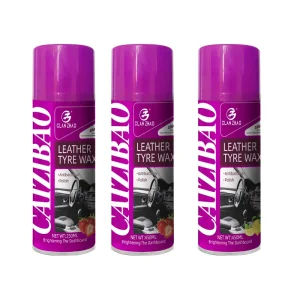
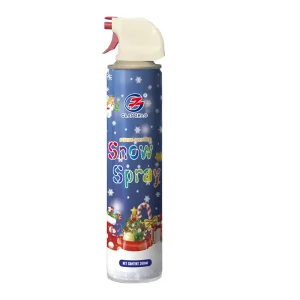
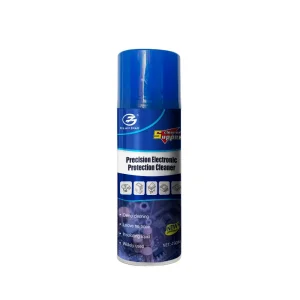
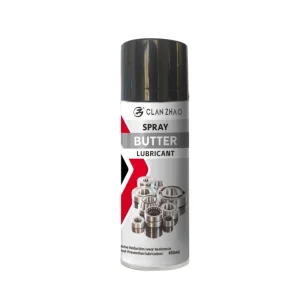
Explore our foundational range of highly calibrated, internationally certified chemical formulations manufactured at scale.
Analyzing market indicators, chemical formulation benchmarks, and consumer demand dynamics driving global growth.
The global hair care market has experienced a significant paradigm shift over the past decade, moving away from heavy styling products and toward functional cosmetic formulations that enhance aesthetics while actively protecting hair fibers. Within this context, the Hair Shine Spray segment has evolved into a multi-billion dollar industrial sector. No longer categorized simply as a luxury salon treatment, shine sprays are now highly utilized daily styling essentials across North America, Western Europe, the Asia-Pacific region, and the Middle East.
From an industrial perspective, hair shine sprays are formulated with specialized, highly reflective lipids, silicones, and botanical oil matrices suspended in pressurized aerosol or mechanical pump configurations. The primary chemical objective is to achieve a flat, cohesive layer over the hair cuticle. When light hits these micro-thin, uniform layers, the specular reflection index is greatly optimized, producing the sought-after "glass hair" effect. The current compound annual growth rate (CAGR) for the global hair finishing category is projected at 5.8% over the next five years, driven by rising consumer focus on personal grooming, high-gloss styling trends on digital media, and formulation innovations that blend cosmetics with active hair health benefits.
As a leading center of chemical production, China has built an integrated ecosystem for aerosol supply chains. Shandong ClanZhao New Material Technology Co., Ltd. and its parent manufacturing entity, Linyi Xingguan Fine Chemical Co., Ltd., are at the forefront of this industrial development. Together, they combine extensive local chemical sourcing capabilities with advanced research, development, and high-efficiency filling processes to serve brands globally.
Shandong ClanZhao New Material Technology Co., Ltd. and Linyi Xingguan Fine Chemical Co., Ltd.
Shandong ClanZhao New Material Technology Co., Ltd. serves as the specialized foreign trade subsidiary wholly owned by Linyi Xingguan Fine Chemical Co., Ltd. Together, we focus on the high-end fine chemical industry, specializing in the research, development, and large-scale manufacturing of aerosol products for global export.
Over the past 19 years, our parent factory has accumulated deep chemical process expertise and built a mature global distribution network. Collaborating with university chemistry departments and top professional research labs, we continually iterate on product formulations to launch more environmentally conscious, stable aerosol formulas. Our production base spans 100,000 square meters, housing 10 international-standard fully automated filling production lines alongside high-precision quality inspection machinery.


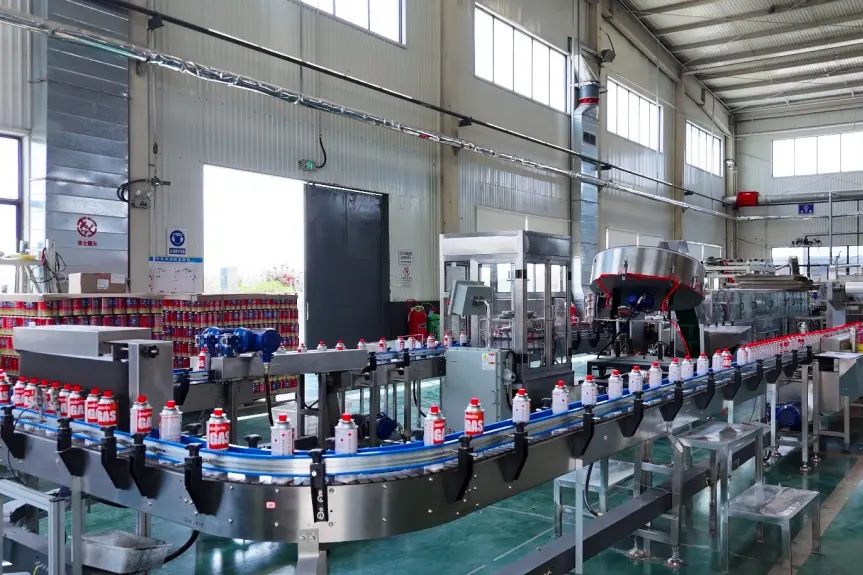
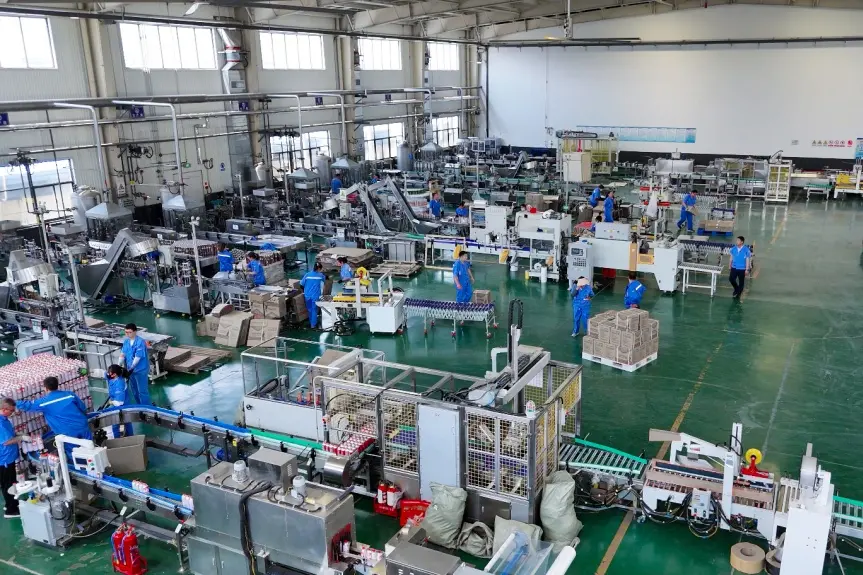

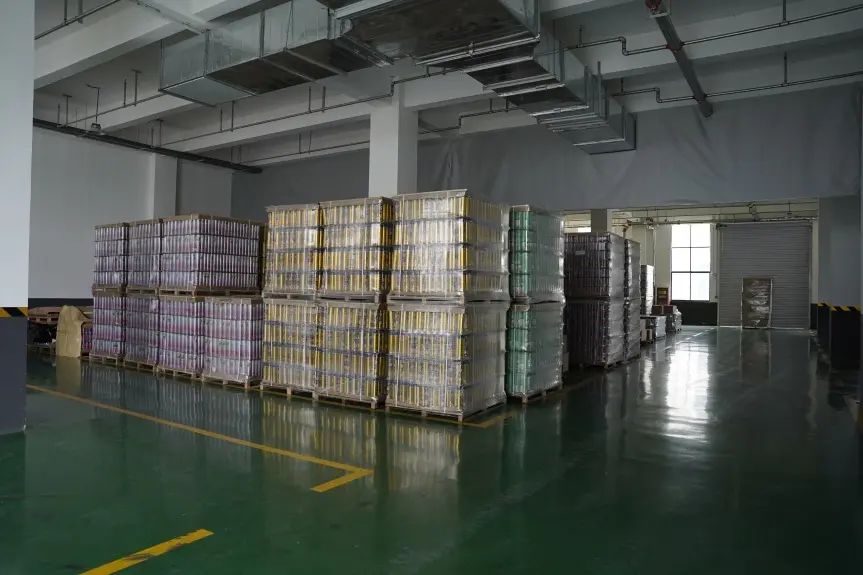


Offering adaptable chemical formulations and one-stop OEM/ODM solutions to build and scale your brand.
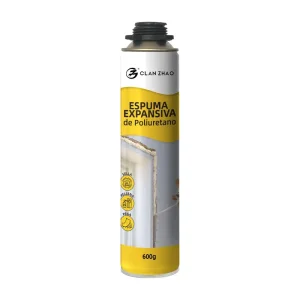
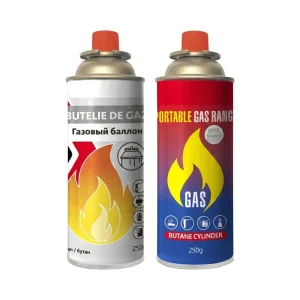
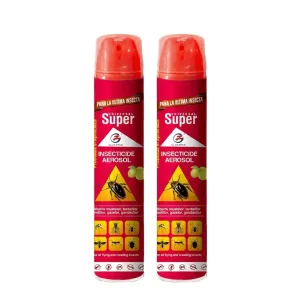
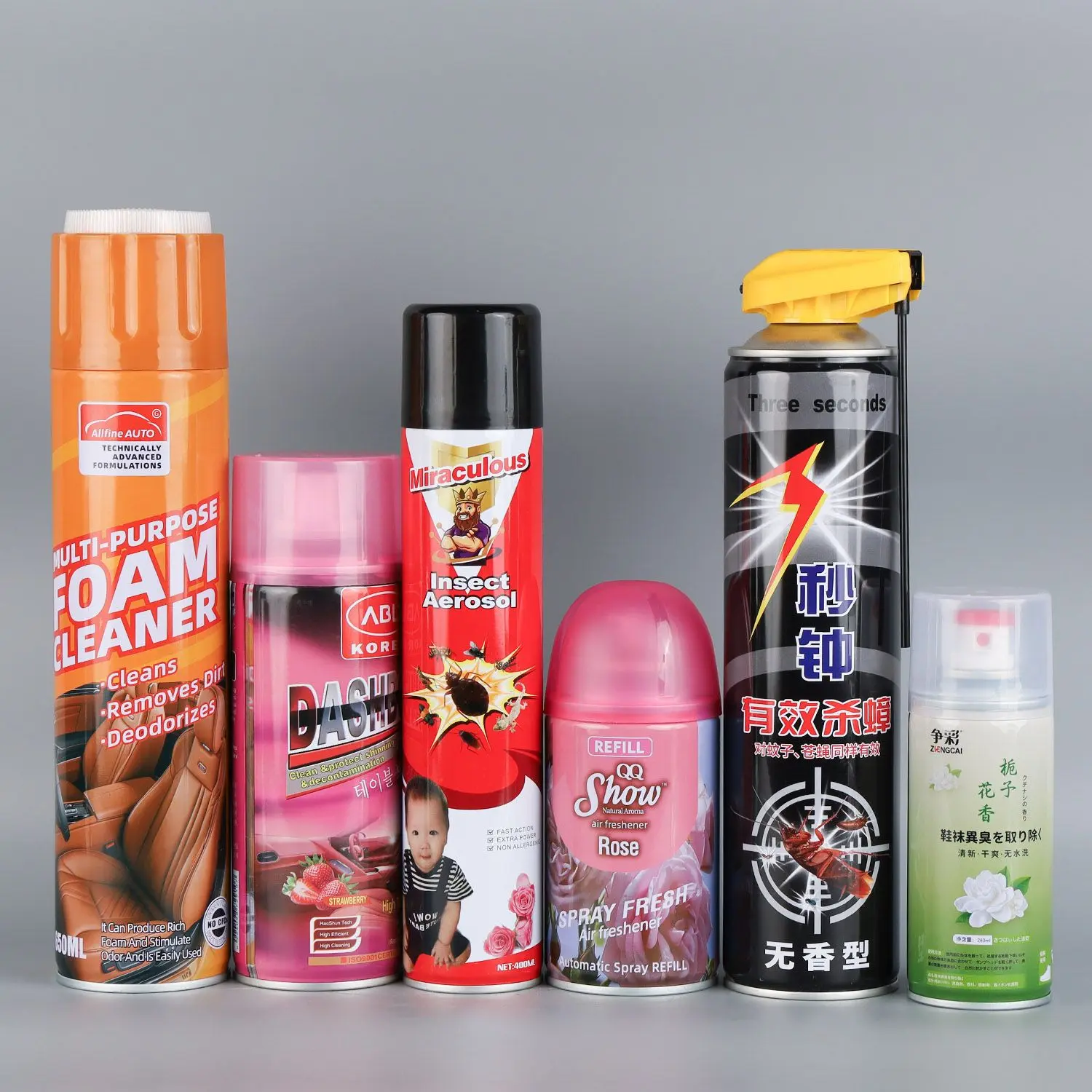
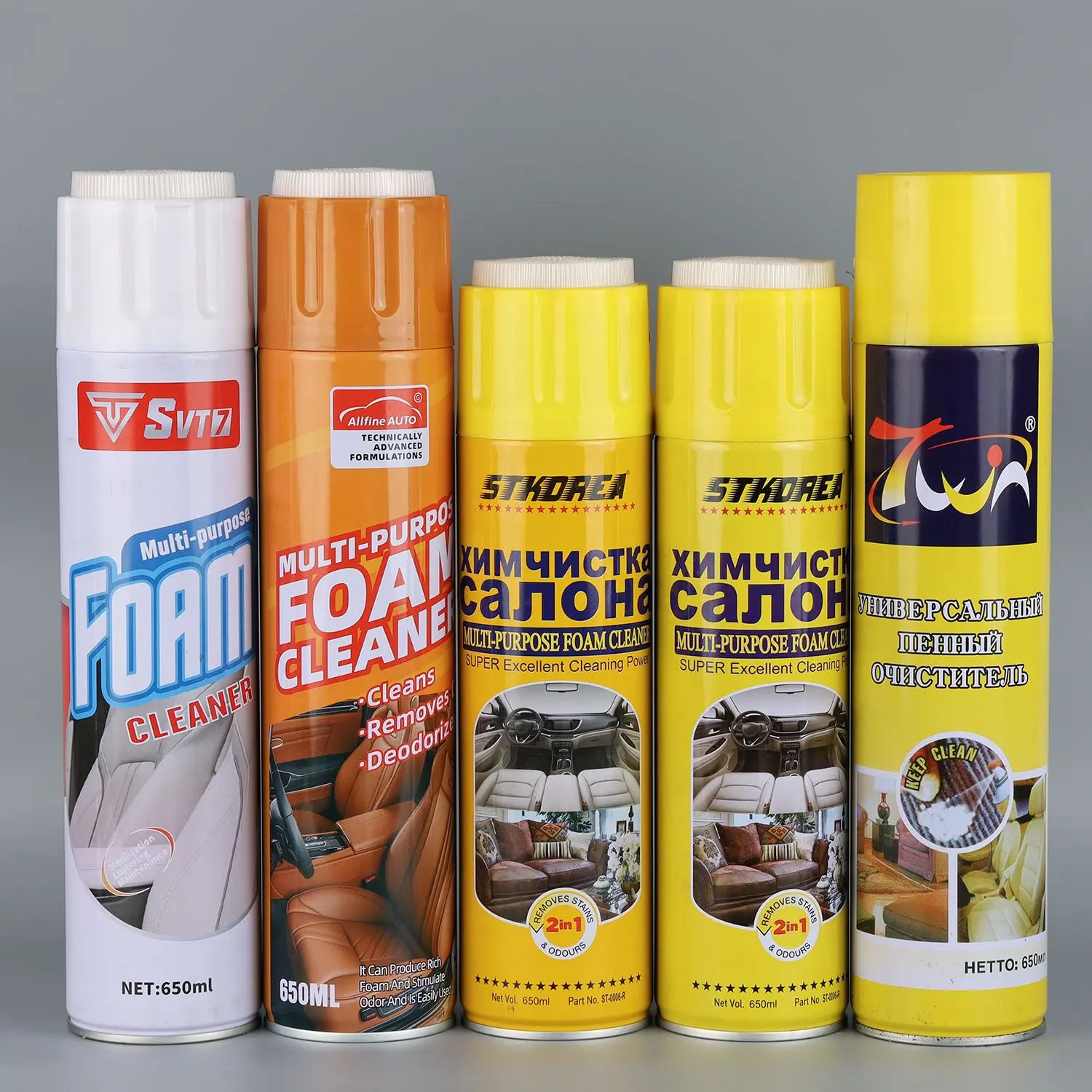
Our comprehensive production spans eight industrial and consumer categories: insecticidal aerosols, butane cylinders, automotive care, household daily chemicals, personal care, pet cleaning, industrial consumables, and PU foam sealants.
Our dedicated chemical laboratories test and improve formulation stability, active ingredient compatibility, droplet size distribution, and propellant efficiency to meet diverse international market expectations.
We operate with complete compliance, maintaining ISO9001 certifications, formal chemical production licenses, and specialized packaging qualifications required for dangerous goods exports.
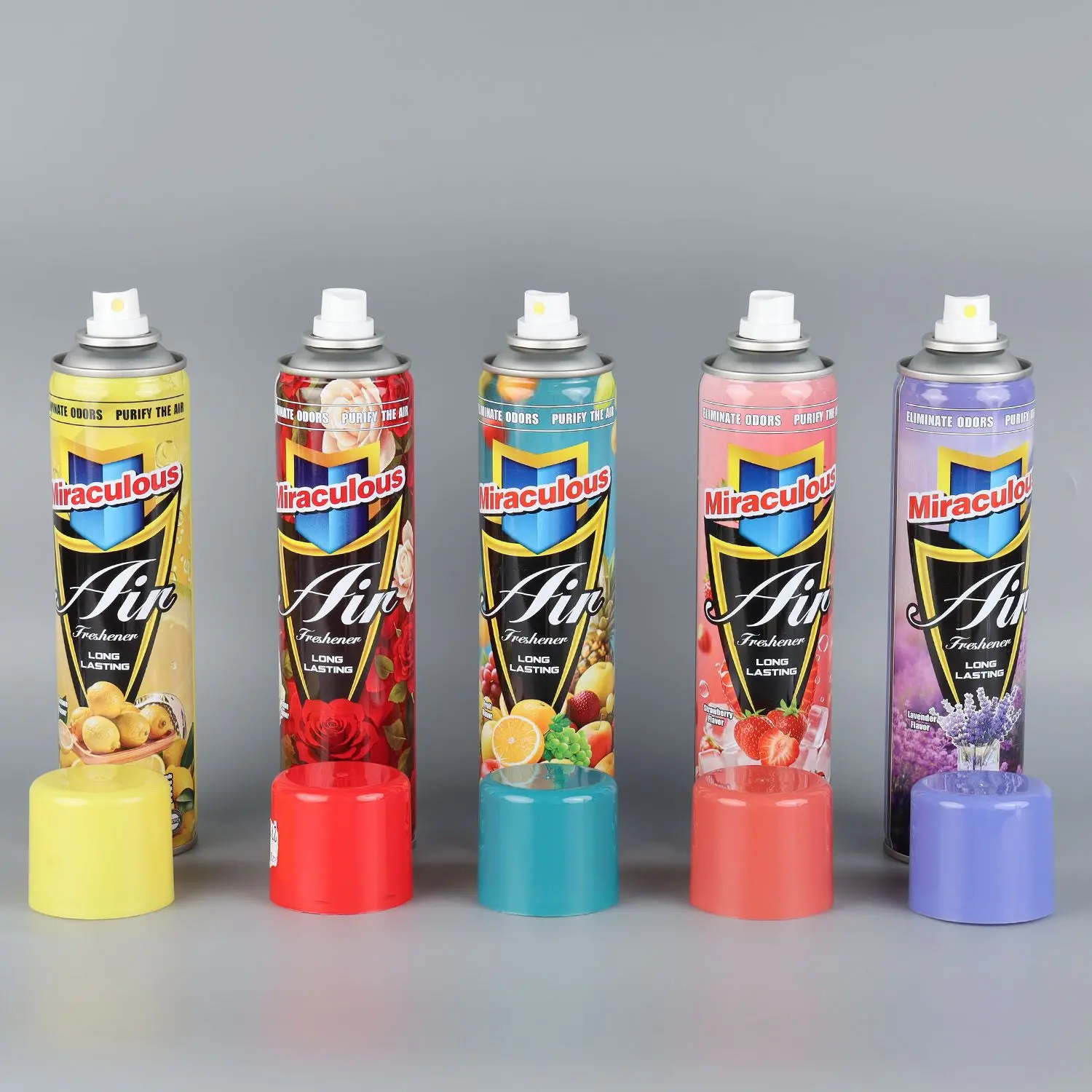
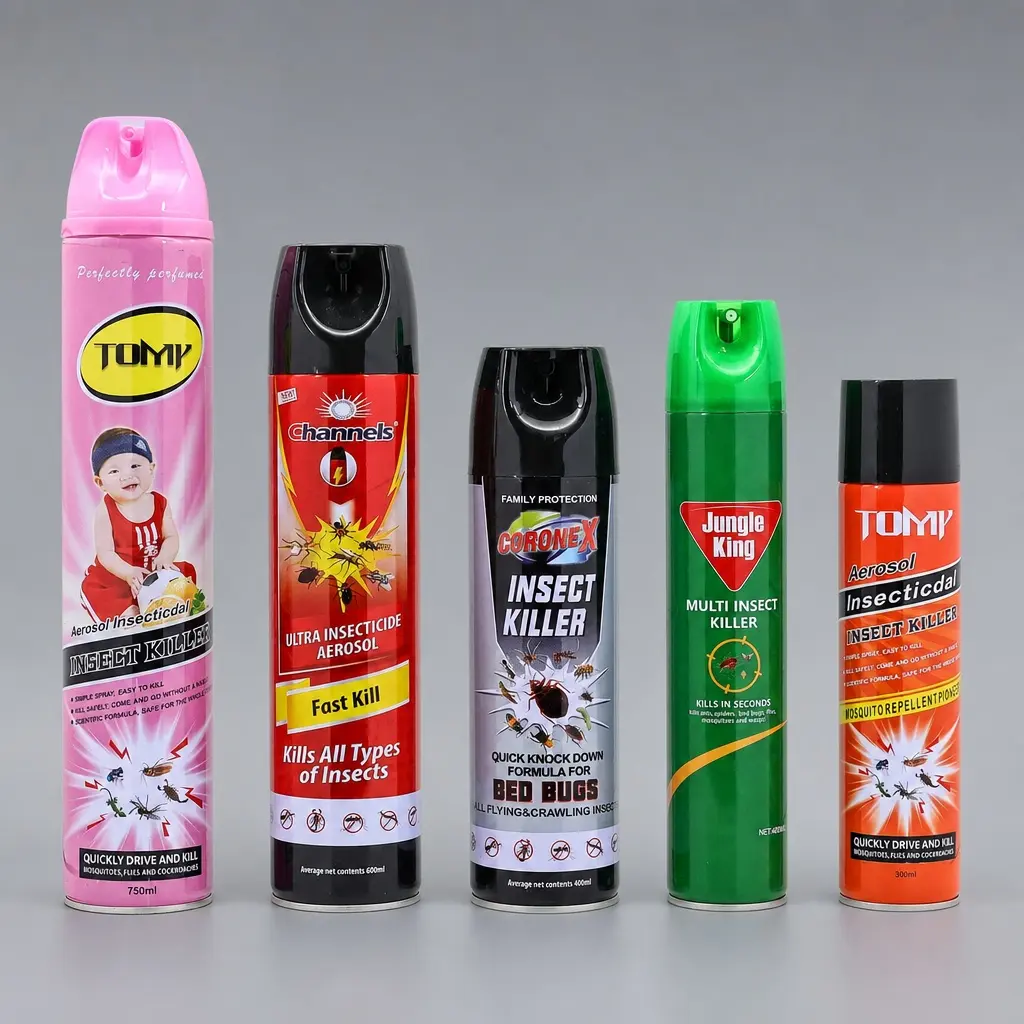
A technical overview of refractive optimization, active ingredients, and aerosol propellant engineering.
Creating a highly effective hair shine spray requires balanced, precise formulation chemistry. The product must disperse smoothly and evenly to coat individual hair fibers without leaving behind a heavy residue. The primary formulation components include:
Traditional gloss formulations relied on basic dimethicones, which can sometimes weigh down fine hair. Modern shine sprays utilize combinations of Cyclopentasiloxane and Phenyl Trimethicone. Phenyl Trimethicone has a high refractive index of 1.46, compared to standard hair keratin which ranges from 1.54 to 1.56. Coating the hair fiber with this compound creates a smooth, highly reflective surface. This flattens raised cuticles, converting scattered light into clean, specular reflection.
The choice of propellant impacts the spray pattern, droplet size, and dry-down time. We utilize highly purified hydrocarbons (Propane, Butane, Isobutane) or Dimethyl Ether (DME). DME has excellent compatibility with both polar and non-polar systems, which allows us to formulate products with lower levels of volatile organic compounds (VOCs). A dry, uniform spray pattern is critical to prevent droplets from clustering on the hair and causing a wet look.
To meet global consumer demand for cleaner, more nourishing ingredients, we integrate lightweight natural oils—such as Argania Spinosa (Argan) Kernel Oil, Camellia Oleifera Seed Oil, and Simmondsia Chinensis (Jojoba) Seed Oil. These botanical oils are refined and filtered to integrate seamlessly into aerosol solvent systems. They help replenish lost lipids in the cuticles, improving hair elasticity and moisture retention.
Strategic formulation developments and sustainability directions through 2030.
Developing formulations that comply with strict VOC limits (such as the 55% threshold set by CARB in the United States) by using water-in-alcohol micro-emulsions and optimized volatile solvents.
Testing and adopting HFO propellants (Hydrofluoroolefins like HFO-1234ze) that feature zero ozone depletion potential (ODP) and an extremely low global warming potential (GWP), meeting strict global environmental targets.
Replacing synthetic silicones with biodegradable, plant-derived alternatives (such as coco-caprylate or sugarcane-derived hemisqualane) that deliver matching shine, silkiness, and thermal protection.
Customizing formulas to perform consistently under varying regional environmental and hair type conditions.
Target Markets: Southeast Asia, Central America, Gulf regions.
Formulation Strategy: Formulating with anti-humidity moisture barriers and hydrophobic silicone matrices to lock out environmental moisture and prevent frizz, while preserving styling and gloss.
Target Markets: Northern Europe, North America, Northeast Asia.
Formulation Strategy: Incorporating anti-static conditioning compounds and lightweight oils to reduce static flyaways, while providing deep conditioning to combat winter dryness.
Target Markets: Australia, Southern Europe, Middle East.
Formulation Strategy: Adding specialized chemical UV absorbers (like Ethylhexyl Methoxycinnamate) to protect hair structure and dyed colors from sun degradation.
Our quality verification processes and safety qualifications for reliable global distribution.
Exporting chemical products internationally requires strict compliance with international regulations. Our production processes conform to the ISO9001 Quality Management System, and we operate with a formal chemical production license. Crucially, we possess the specialized export qualifications required for dangerous goods packaging. This ensures our aerosol products can clear customs smoothly and arrive safely at destinations worldwide.
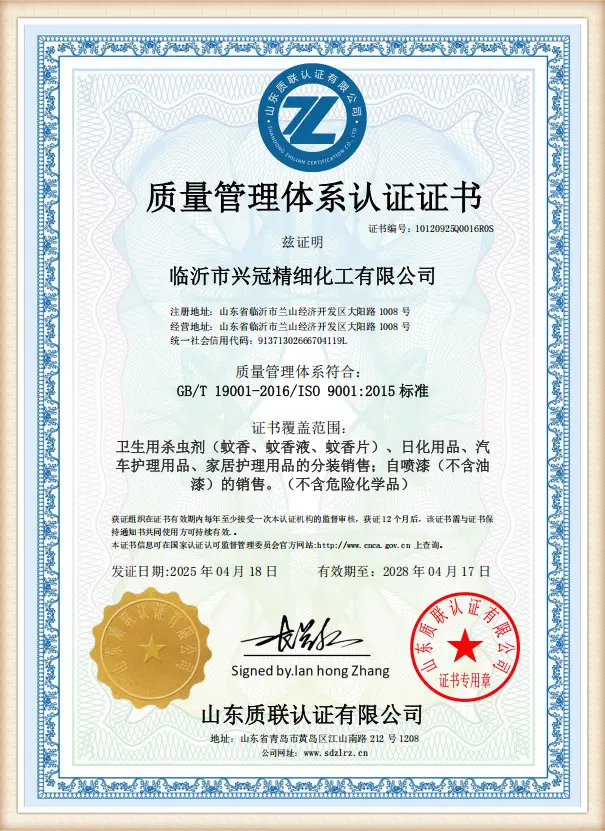
ISO9001 Certification
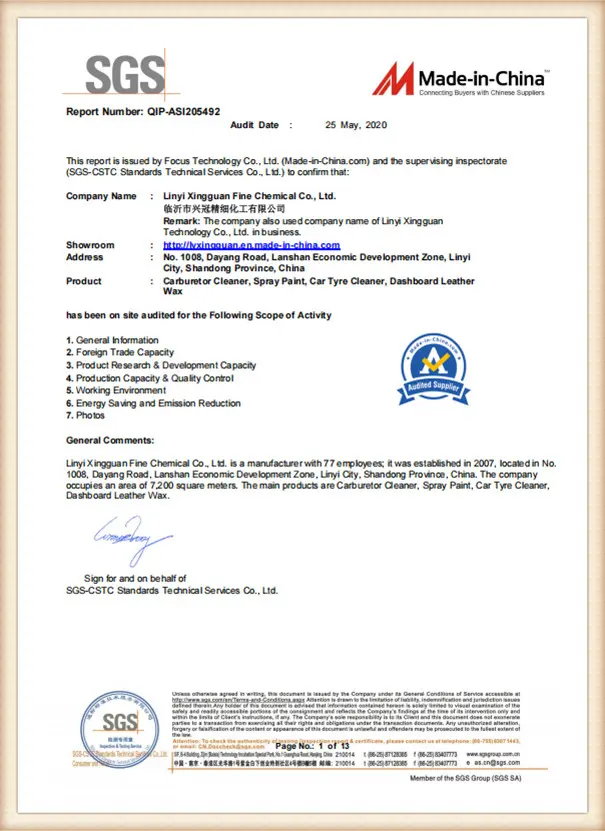
Chemical Production License
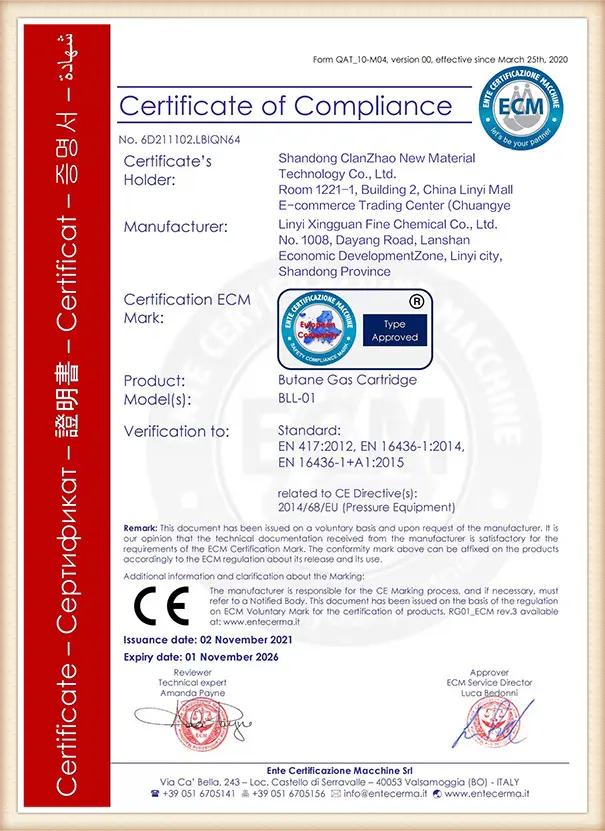
Dangerous Goods Qualification
Addressing primary inquiries from buyers, formulators, and distribution partners.
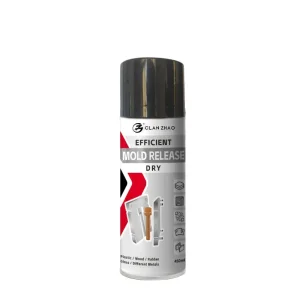
A further selection of our manufacturing capability, spanning domestic maintenance and targeted chemical solutions.
 ClanZhao New Material