Why Choose a Car Carpet Steam Cleaner?

Time:2026-11-05 Author:Sophia
0%

Car interiors collect more than visible dust. Fine grit settles between carpet fibers, while coffee, muddy shoes, and everyday spills leave stubborn marks. A Car Carpet Steam Cleaner can help loosen embedded soil with heated moisture, making carpet easier to clean than with surface wiping alone. The difference is often noticeable around floor mats and seat rails, where grime tends to gather.

Still, steam is not a magic fix. Results depend on the machine, the carpet material, and how carefully you work. Check the vehicle manufacturer’s care guidance, test an inconspicuous patch, and avoid soaking the carpet or nearby electrical components. A cleaner with controlled steam and effective extraction can reduce leftover moisture, but drying time still matters. Open doors or windows when conditions allow, and do not reinstall damp mats.

Choosing the right machine means weighing heat settings, attachments, tank capacity, and ease of handling in a tight cabin. A small upholstery tool can reach narrow edges; a bulky unit may be harder to maneuver. Some stains may need a suitable cleaner or repeated treatment, and a steam cleaner cannot repair worn fibers. That part is easy to overlook. This guide explores why a Car Carpet Steam Cleaner may be useful, what features deserve attention, and where realistic expectations help protect both the carpet and the vehicle.
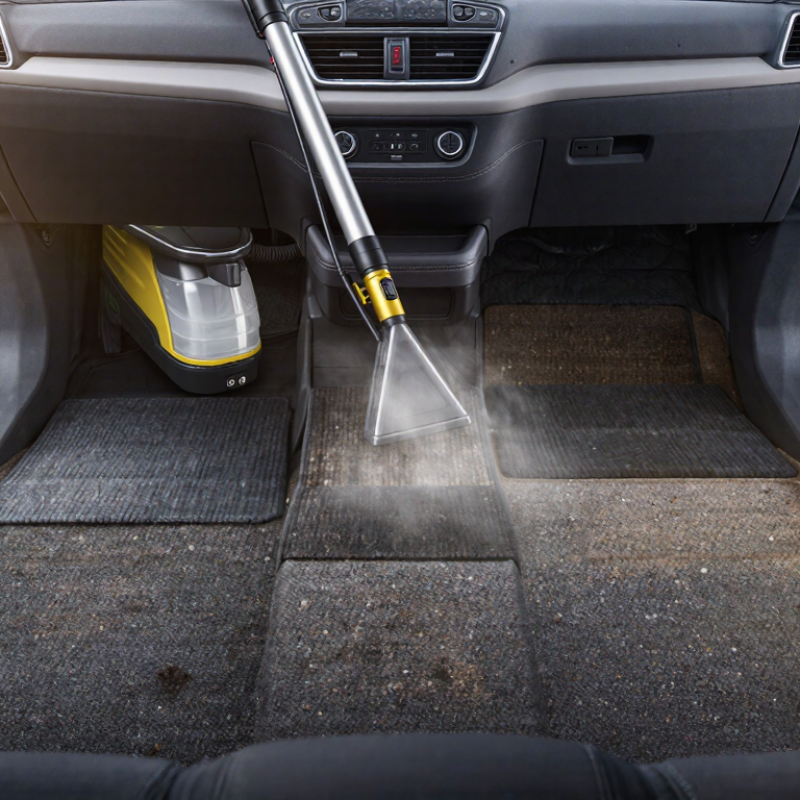
Why Choose a Car Carpet Steam Cleaner?

What a Car Carpet Steam Cleaner Is and How It Works

A car carpet steam cleaner is a tool designed to loosen dirt and stains from vehicle carpets using heat and moisture. The name can be a little misleading: some machines produce vapor, while others spray heated water and extract it with suction. Check the machine’s instructions to understand which method it uses.

Heat can soften greasy residue and help lift embedded grime from carpet fibers. With an extraction model, the machine applies cleaning solution, then draws dirty liquid back into a tank. A steam-only model may loosen soil without removing it, so wiping or vacuuming afterward can matter. Work in small sections. Avoid soaking the carpet, since damp padding can dry slowly and develop an unpleasant odor. It is not a magic reset; old dye stains may remain.

Tips: Vacuum first, then test the cleaner on a hidden area. Use little water near seat rails and wiring, and follow the vehicle’s care guidance. Keep the car ventilated until the carpet feels fully dry. That last step is easy to overlook.

Why Choose a Car Carpet Steam Cleaner?

How it works: heat turns water into steam, which can help loosen soil in carpet fibers. Brushing helps lift the soil; wipe or extract it afterward, since steam alone does not remove residue.

Water boils at about 100°C at standard atmospheric pressure. Actual cleaner output temperatures vary by device and conditions; follow the manufacturer’s instructions for automotive fabrics.

How Steam Cleaning Lifts Dirt, Stains, and Odors

A car carpet collects grit from shoes, crumbs under seats, and spills that dry into stiff patches. Steam adds heat and moisture, helping soften grime caught between the carpet fibers. The loosened soil still needs to be lifted away with a clean cloth or the machine’s extraction function. Steam alone can shift dirt without removing it.

Work in small sections. Move the nozzle steadily, and avoid soaking the backing, which can take a long time to dry. Test a hidden spot first; some dyes and delicate materials may react poorly to heat. For a dried coffee mark, gentle passes may loosen the edge before blotting helps draw out residue. Don’t scrub hard. It can roughen the pile.

Odors often come from residue left by food, damp shoes, or pet accidents. Heat may help release trapped particles, but it does not guarantee that every odor will disappear. Remove visible residue first, then ventilate the car and let the carpet dry fully. A faint smell may return if moisture or the original spill remains below the surface. Patience matters. Steam cleaning is useful, but it is not a shortcut around careful drying.

Benefits for Vehicle Carpet Care and Cabin Hygiene

A car carpet steam cleaner can lift tracked-in grit, drink spills, and oily marks from the fibers beneath your shoes. The U.S. EPA’s indoor-air guidance notes that some indoor pollutant concentrations can be two to five times outdoor levels. That figure is not specific to vehicles, but it is a useful reminder: cabin surfaces deserve regular care. Carpets can hold dust and debris that ordinary wiping misses.

Hot-water extraction helps flush soil from carpet pile, then draws much of the moisture back into the machine. The Carpet and Rug Institute’s Seal of Approval program evaluates cleaning equipment for soil removal, water recovery, and resoiling. Look for those practical performance measures, not just a “steam” label. Small details matter. Move slowly over stained areas, and avoid soaking the carpet; damp underlay can take a long time to dry and may develop an odor.

A cleaner cabin feels better underfoot. It can also reduce loose dirt that gets stirred up when passengers move their feet. But heat does not make every surface safe, and cleaning is not the same as disinfection. Test a hidden patch first, follow the vehicle-care instructions, and let carpets dry fully before closing the doors. Honestly, the drying step is easy to rush. That is where a good clean can go wrong.

How Steam Cleaning Compares With Other Methods

Steam cleaning is often called “steam,” but most carpet machines use hot-water extraction: heated solution is worked into the pile, then vacuumed back out. Compared with vacuuming, it can remove oily soil and residue deeper in the fibers. Vacuuming is faster and better for routine dust, but it cannot rinse out embedded grime. Low-moisture cleaning uses less water and can shorten drying time; however, results depend on the carpet, soil, and operator. No method wins every time.

The trade-off is moisture. A poorly extracted carpet may stay damp, especially near a thick underlay. The U.S. Environmental Protection Agency advises drying wet materials within 24–48 hours to help prevent mold growth. That guidance is not a carpet-cleaning trial, but it is a useful benchmark. The IICRC S100 standard also emphasizes selecting cleaning methods for the specific textile and conditions. Steam extraction can be thorough, yet it may be excessive for delicate fibers or a small fresh spill. I admit that “deeper clean” is not automatically a better clean.

Tips: Vacuum first, then test the cleaning solution in a hidden spot. Use slow passes, make extra extraction-only passes, and keep air moving across the carpet. Check the backing, not just the surface. If it still feels cool and damp, it is not dry yet.

Factors to Consider When Choosing a Car Carpet Steam Cleaner

Why Choose a Car Carpet Steam Cleaner?

Factors to Consider When Choosing a Car Carpet Steam Cleaner

Choosing a car carpet steam cleaner starts with matching its cleaning method to your vehicle’s materials. Check the manual before applying heat to carpet, seat fabric, or trim. High temperature can loosen some adhesives or affect delicate surfaces. A narrow nozzle helps reach the edges beneath seats, while a longer hose makes floor wells easier to clean. Small details matter.

Look for controlled steam output and effective water extraction, not temperature alone. Damp carpet can take hours to dry, especially in cool weather. The Carpet and Rug Institute’s Seal of Approval program evaluates cleaning equipment for soil removal, water removal, and resoiling; these are useful performance measures when comparing machines. The U.S. Environmental Protection Agency notes that indoor concentrations of some pollutants can be two to five times outdoor levels, but cleaning alone does not guarantee better air quality. Ventilation and thorough drying still matter. I’d also weigh tank size against storage space: a large unit may reduce refills, yet feel awkward in a small garage. Check replacement-part availability and whether the tool can clean tight seams. Price is only one piece. Even a capable machine can disappoint if its attachments cannot reach the areas that collect grit.

Why Choose a Car Carpet Steam Cleaner? - Factors to Consider When Choosing a Car Carpet Steam Cleaner

Factor Why It Matters What to Check Practical Guidance
Cleaning method Steam cleaners loosen grime with heat and moisture, while carpet extractors spray cleaning solution and vacuum it back up. Some machines combine both approaches. Confirm whether the unit produces steam only, extracts liquid, or offers both functions. For ground-in dirt or spills, extraction can help remove loosened soil and moisture. Steam alone does not vacuum dirt out of the carpet.
Carpet and upholstery compatibility Vehicle interiors use different fibers, backings, adhesives, and finishes. Heat and moisture may affect some materials. Check the vehicle and cleaner care instructions, and identify any delicate, coated, or heat-sensitive surfaces. Test an inconspicuous area first. Do not use steam on a surface unless its care guidance permits it.
Moisture control Excess water can soak carpet padding and may contribute to lingering dampness or odors. Look for adjustable steam output, controlled application, or a separate extraction function. Use the least moisture that cleans effectively, and avoid repeatedly saturating one spot.
Heat and steam settings Different cleaning tasks and materials may require different levels of heat and output. Review the operating settings and follow the machine’s instructions for temperature, nozzle distance, and movement speed. Do not assume the highest setting is best; use a cautious setting on vehicle materials and test first.
Attachments and reach Car floors, seat edges, and narrow gaps are difficult to clean with a large floor head. Check for a compact upholstery tool, crevice tool, suitable hose length, and manageable accessory storage. A small tool can improve access around seat rails and carpet edges. Keep steam away from electrical connectors and controls.
Tank capacity and refill time A small tank may require more interruptions; a larger tank can add weight and take up more storage space. Compare stated tank capacity, recommended fill level, and whether refilling requires cooling or depressurizing the unit. Choose a capacity that suits the size of the vehicle and the amount of cleaning you expect to do.
Power and portability Interior detailing often involves moving around the vehicle and reaching into footwells. Consider the machine’s weight, cord length, hose flexibility, and available power source. Check that the cord can reach the work area safely; avoid pinching it in doors or exposing it to wet areas.
Drying and ventilation Carpet can remain damp after cleaning, especially when moisture reaches the backing or padding. Check whether the machine extracts water and whether the vehicle can be ventilated during and after cleaning. Allow the interior to dry fully before closing it up for an extended period. Drying time depends on moisture, airflow, and conditions.
Detergent requirements Some cleaners use water alone; others require a compatible cleaning solution. Incorrect products can leave residue or affect materials. Read the instructions for approved solutions, dilution, and whether detergent may be used in the tank. Use only products permitted by the equipment and surface-care instructions, and avoid over-application.
Safety and maintenance Steam is hot, and electrical equipment should be operated carefully around a vehicle interior. Review safety instructions, pressure-release steps, overheat protection, cleaning requirements, and storage guidance. Disconnect power before maintenance, let the unit cool as directed, and keep the nozzle away from people and sensitive components.

FAQS

How does steam loosen dirt in car carpets?

Heat and moisture soften grit, dried spills, and grime between carpet fibers. Wipe or extract the loosened soil afterward. Steam alone may move dirt around.

Can steam remove a dried coffee stain?

Gentle, steady passes may loosen the stain’s edges. Blot with a clean cloth to lift residue. Don’t scrub hard; it can roughen the carpet pile.

Should I test the carpet before cleaning?

Yes. Test a hidden patch first, because heat may affect some dyes or delicate materials. Better safe than sorry.

How much moisture should I use?

Work in small sections and avoid soaking the carpet backing. Damp underlay can take a long time to dry.

Will steam cleaning remove every odor?

Not always. Remove visible residue, then ventilate the car and let the carpet dry fully. A faint smell may return if a spill remains below the surface.

Is steam cleaning the same as disinfecting?

No. Cleaning can lift dirt, but heat does not make every surface safe or disinfect it.

How can I help keep the cabin cleaner?

Clean tracked-in grit and spills before they settle. Carpets can hold dust that ordinary wiping misses, and loose dirt may rise when passengers move their feet.

What is the easiest step to rush?

Drying. I sometimes want to close the doors too soon, but trapped moisture can bring odors back. Let the carpet dry completely.

Conclusion

A Car Carpet Steam Cleaner uses heated water vapor to loosen embedded dirt, soften stains, and reduce lingering odors in vehicle carpeting. The steam works through the carpet fibers, helping lift soil that ordinary surface wiping may leave behind. Depending on the equipment and cleaning process, loosened residue can then be wiped or extracted, leaving the interior cleaner and fresher.

Steam cleaning can support regular vehicle carpet care by reaching into textured fibers and reducing the need for heavy scrubbing or strong cleaning products. Compared with vacuuming, shampooing, or spot cleaning alone, it offers a different approach that combines heat and moisture, though each method may suit particular materials and levels of soiling. When choosing a cleaner, consider heat and steam control, ease of handling, available attachments, water capacity, drying time, and whether its instructions are suitable for your vehicle’s carpet. Proper use helps balance effective cleaning with care for the interior.


Sophia

Sophia

Sophia is a dedicated marketing professional with an exceptional depth of knowledge about her company's products and services. With a keen understanding of market trends and customer needs, she crafts insightful blog posts that not only inform but also engage readers, enriching the company’s online......