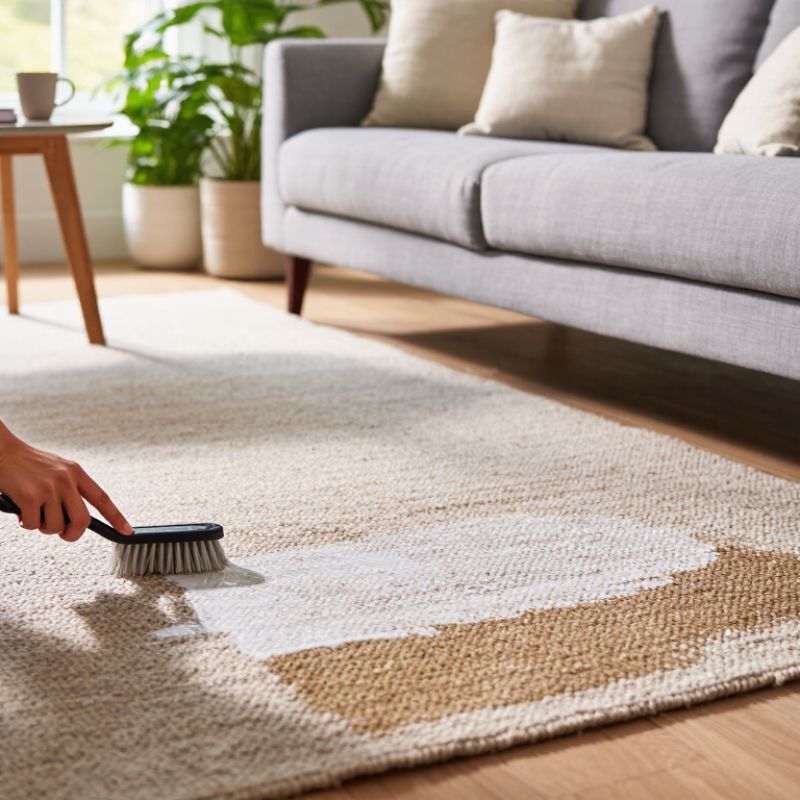
A No Vac Carpet Cleaner is designed to clean carpet without a conventional rinse-and-extract process. Depending on the product, it may use absorbent powder, foam, or a low-moisture solution. The cleaner is applied to the carpet, allowed to work, then removed or left to dry as directed. The exact method matters. “No vac” does not always mean no equipment: some products still require brushing or a machine.
Picture a small spill beside a sofa: a low-moisture cleaner may be useful when you want to avoid soaking the carpet. Yet results depend on the carpet fibre, soil, product instructions, and how much residue remains. A heavily soiled walkway may need a different approach. Always test an inconspicuous patch first, follow the label, and allow adequate drying time. A clean-looking surface is not proof that every fibre is residue-free.
This guide explains what a No Vac Carpet Cleaner is, how common types work, and where their limits matter. It also covers practical use, drying, and carpet compatibility. One important source detail remains unresolved: no article or interview was provided to verify a named industry expert’s exact words. Inventing a quotation would weaken the accuracy this topic deserves. Share a reliable source, and a properly attributed expert quotation can be included.
What Is a No Vac Carpet Cleaner?
Definition and Purpose of a No-Vac Carpet Cleaner
A no-vac carpet cleaner is a carpet-cleaning product designed to work without a vacuum after application. It may come as a spray, foam, or liquid. Depending on the formula, you apply it to a stain or a small area, let it sit, then blot or allow it to dry. The exact steps vary, so check the product label. The name can be a little misleading: “no-vac” does not mean “no effort.” You may still need a clean cloth and some patience.
Its purpose is convenient spot cleaning, especially for fresh spills, footprints, or small marks between deeper cleanings. For example, blotting a coffee spill promptly may help limit staining, while rubbing can push it further into the fibers. These cleaners can suit busy homes, but they do not replace vacuuming, which removes dry soil, or periodic deep cleaning. Results depend on carpet material, stain age, and cleaner ingredients. Some marks will remain. That can be disappointing, but it is better than using excess product and leaving a sticky residue.
Tips: Test the cleaner on a hidden patch first. Blot from the stain’s edge toward its center, and avoid soaking the carpet. Let the area dry fully before walking on it. If the carpet’s care instructions are unclear, ask a qualified cleaner.
| Dimension | Description | Practical Notes |
|---|---|---|
| Definition | A no-vac carpet cleaner is a carpet-cleaning product intended for use without requiring a vacuum cleaner as part of its normal application process. | The term describes a cleaning method or product, not one single formula or standardized category. Follow the specific product label. |
| Common formats | Many are sold as ready-to-use sprays or foams. Some are applied to a stain, worked in gently, and removed by blotting or wiping. | Application and removal instructions differ. A product described as “no-vac” may still require brushing, wiping, or another specified step. |
| Primary purpose | To clean limited areas, such as fresh spills and localized spots, without setting up a vacuum or carpet-cleaning machine. | It is generally more suited to spot cleaning than to removing embedded soil from an entire carpet. |
| Typical application | Remove loose material, apply the cleaner as directed, allow the stated dwell time if required, then blot or wipe with a clean cloth. | Blot rather than scrub aggressively, which can spread a stain or damage carpet fibers. Avoid soaking the carpet unless the instructions allow it. |
| Suitable uses | Small, accessible spots and spills may be suitable, depending on the cleaner, carpet material, and type of stain. | Check the label for approved fibers and surfaces. Delicate, specialty, or water-sensitive materials may need professional care. |
| Difference from vacuuming | A carpet cleaner treats stains or soil with a cleaning solution; a vacuum removes dry dust and loose debris from carpet. | A no-vac cleaner does not replace routine vacuuming, which helps remove dry particles from carpet. |
| Limitations | It may not fully remove old, deep, or extensive soil, and some stains may need repeated treatment or a different cleaning method. | Results depend on the stain, carpet, and product. Avoid mixing cleaning products. |
| Testing and safety | Before treating a visible area, test the cleaner on a small, inconspicuous section and let it dry to check for color change or damage. | Use as directed, keep the area ventilated when instructed, and keep children and pets away from wet treated areas until safe for use. |
It usually means a low-moisture cleaner that dries without wet extraction. Some products still leave residue that needs vacuuming, so check the label.
It can work for small, fresh spills on low-pile synthetic carpet, such as a coffee drip by a doorway. Not a deep clean.
Delicate fibers may need a specialist-approved cleaner. Test a hidden patch, let it dry, and check for fading, texture changes, or stickiness.
Blot with a clean cloth instead of rubbing. Apply only the amount stated on the label; too much liquid can soak the backing.
It is meant for localized messes, not deep-set odors or heavily soiled rooms. Packed grit in a busy hallway may need deeper cleaning.
Yes. Pick up loose crumbs and grit first, or wiping may press them deeper into the carpet pile. Easy to overlook.
Open a window or use a fan when appropriate. Keep people and pets off damp areas until they are dry.
Stop applying cleaner and seek qualified cleaning advice if dampness, musty odor, or discoloration remains. Results can vary, and I would not assume one treatment fixes everything.
A No Vac Carpet Cleaner is a carpet-cleaning product designed to freshen and clean carpet without requiring a vacuum cleaner as part of the application process. Depending on its formula, it may loosen surface soil, absorb residue, or bind dirt into particles that can be removed through brushing or ordinary foot traffic. Products may be applied as a spray, foam, or dry compound, so it is important to follow the directions for the specific formula and allow the carpet to dry as instructed.
These cleaners can be useful for routine touch-ups, small spills, and situations where vacuuming is inconvenient. They are generally best suited to carpets whose care instructions allow the product’s ingredients and application method. They may not remove deeply embedded dirt or replace thorough professional cleaning. Before use, test a small, hidden area, avoid over-wetting, provide adequate ventilation, and keep people and pets away until the carpet is dry.

 ClanZhao New Material