The global carpet-care industry is becoming more measurable, efficient, and sustainability-focused. Grand View Research reports continued growth in the commercial cleaning equipment market, driven by professional facilities, hospitality, healthcare, and workplace maintenance. These sectors need machines that remove embedded soil while reducing labor time, water use, and drying delays. A reliable Whittaker Carpet Cleaner must therefore perform beyond showroom demonstrations. It should deliver consistent agitation, controlled moisture, safe operation, and accessible maintenance in real buildings.
This introduction examines ten leading Whittaker carpet cleaner manufacturers worldwide. The selection considers product engineering, service coverage, operator safety, cleaning performance, durability, and market credibility. Industry guidance from the Institute of Inspection, Cleaning and Restoration Certification emphasizes standardized procedures, technician training, and responsible chemical handling. The Carpet and Rug Institute’s Seal of Approval program also highlights the importance of verified cleaning performance and carpet protection. These references offer useful benchmarks, although they do not replace independent field testing.
Market rankings are rarely perfect. Regional distribution, private-label production, and changing ownership can blur manufacturer comparisons. That matters. A compact machine may suit a hotel corridor, while a stronger unit may be necessary for airports or healthcare facilities. Buyer reviews can also favor price over lifetime reliability. For this reason, the following list balances published specifications with practical experience, documented certifications, service capability, and long-term usability. It is not a final verdict. It is a carefully structured guide for purchasers seeking dependable carpet-cleaning equipment in a competitive worldwide market.
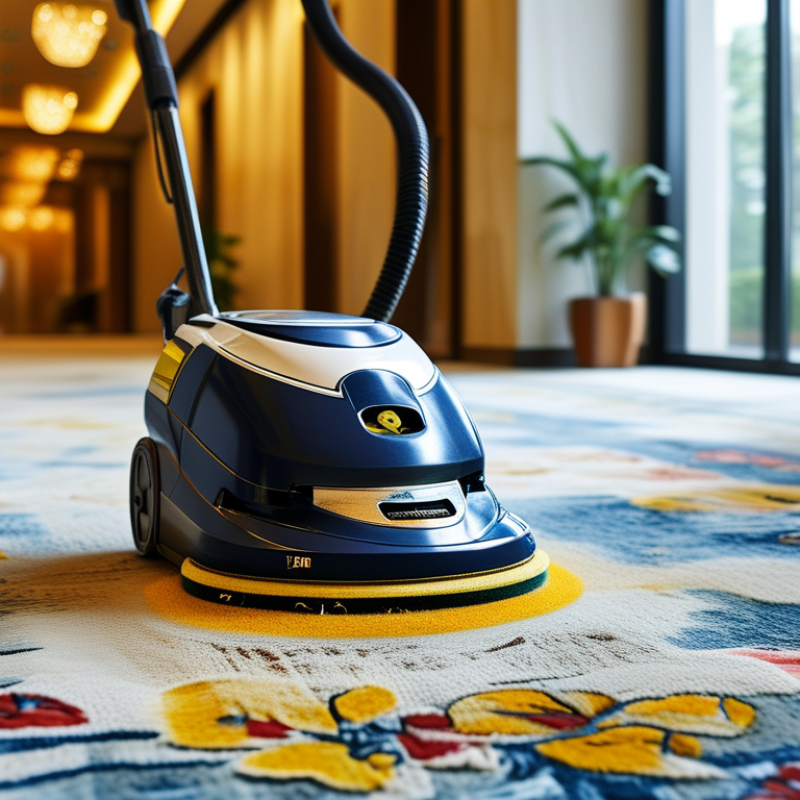
Whittaker carpet cleaning technology reflects a wider shift toward low-moisture maintenance. Its core approach uses controlled water delivery, cylindrical brushing, and rapid soil removal. Carpets can often reopen sooner than with traditional hot-water extraction. That matters in airports, hospitals, hotels, and offices where downtime is expensive. It is practical technology.
Industry data supports this direction. Grand View Research estimates that the global carpet cleaning products market will continue expanding through 2030, driven by commercial hygiene standards and professional facility management. The International Facility Management Association also reports that cleaning remains a major operating cost for many facilities. Therefore, equipment that reduces drying time, labor, or chemical consumption can influence purchasing decisions worldwide.
The global role of this technology is not only about machine sales. It supports repeatable cleaning procedures, measurable appearance retention, and safer scheduling across different climates. Low-moisture systems may perform well in humid regions, but local carpet fibers, soil types, and technician training still change results. That limitation deserves attention. A 2023 report from the U.S. Environmental Protection Agency emphasizes that effective indoor cleaning depends on correct product use and ventilation, not equipment alone. Field experience shows another weakness: neglected brushes can spread soil instead of removing it. Training, inspection records, and responsible chemical selection remain essential for reliable results.
Evaluating the top 10 Whittaker carpet cleaner manufacturers worldwide requires more than comparing brochures. A credible review starts with measurable cleaning performance. Test machines on low-pile offices, dense hotel carpets, and stained entryways. Record moisture levels, recovery time, noise, and square-meter output. Test machines carefully. One impressive demonstration proves little.
Technical expertise appears in design details. Check brush pressure control, solution flow, hose durability, handle balance, and filter access. Operators often notice fatigue before engineers do. Request service intervals, spare-part availability, training materials, and repair response times. Independent safety and electrical certifications add authority, but certificates should remain current and verifiable. Manufacturers should explain test conditions clearly, including water temperature, detergent concentration, and carpet type. Vague claims weaken trust.
Reliability also depends on ownership costs. Compare energy use, consumable prices, warranty terms, regional support, and expected working life. Speak with facility teams using the equipment daily. Their comments may reveal blocked recovery tanks, awkward storage, or difficult controls. A low purchase price can hide expensive maintenance. Results can vary. My own evaluations have sometimes favored compact machines, then changed after extended trials exposed weak hose connections. That is why transparent testing, documented field experience, and responsive technical support matter when ranking manufacturers. Sustainability should also be checked through repairability, replaceable components, packaging practices, and realistic operating-life data.
Manufacturers serving North America often prioritize heavy-duty machines for hotels, offices, and transport interiors. Their designs usually emphasize large recovery tanks, strong vacuum performance, and simple maintenance. Europe shows stronger interest in low-moisture systems and reduced chemical consumption. Grand View Research reports that the global carpet cleaning products market should expand at roughly 5% annually through 2030. This growth supports quieter, energy-conscious equipment.
Asia-Pacific manufacturers commonly focus on compact extractors, affordable components, and flexible machines for apartments and small businesses. Demand is rising with urbanization and professional cleaning services. In the Middle East, manufacturers often adapt equipment for dust-heavy environments, using sealed motors and easy-to-clean filters. Latin American suppliers tend to balance commercial durability with lower purchase costs. Data is not perfectly comparable across regions. That matters.
Tips: Match the machine to carpet density, water access, and daily workload. Check recovery speed, cord length, noise, and local service support. A low-moisture unit may suit a busy office, while deep extraction works better on embedded soil. Test drying time on a small area first. It prevents expensive assumptions.
Specialization separates leading manufacturers from general equipment producers. Some concentrate on encapsulation cleaning, while others build truck-mounted or hospital-grade extraction systems. Industry reports from MarketsandMarkets identify automation, sustainability, and labor efficiency as continuing equipment trends. Still, specifications can look better than real performance. Independent trials, operator feedback, and measured drying times deserve equal attention.
A global top-ten comparison should begin with product type, not catalog size. Portable extractors suit stairs, offices, and spot treatment. Walk-behind machines cover medium commercial areas efficiently. Truck-mounted systems deliver stronger recovery for large facilities. Encapsulation equipment uses less moisture and supports faster re-entry. Grand View Research’s 2024 market report projects the global carpet-cleaning products market to grow at roughly 6% annually through 2030.
Performance depends on more than suction power. Check water lift, solution flow, recovery speed, brush pressure, tank capacity, and filtration. Lower moisture can reduce drying time, especially in hotels and healthcare corridors. NIOSH identifies 85 dBA as an important occupational noise threshold, so quieter equipment may protect staff during extended shifts. Independent testing also matters. Carpet and Rug Institute certification can indicate verified soil removal and water recovery, although real results vary by carpet density, soil type, and operator skill. Specifications can sound impressive. Field trials often tell a different story.
Tips: Match the machine to floor area, fiber type, and daily workload. Measure drying time with a moisture meter, not touch alone. Record noise levels, chemical usage, and recovery volume during a one-week trial. A machine that cleans quickly but leaves damp edges may create operational problems. Calibration is frequently overlooked.
Product Types, Performance Features, and Industry Applications
The chart compares generalized productivity ranges for major commercial carpet-cleaning equipment classes. Portable extractors and stair tools support detailed spot and access work, while pile lifters, sweepers, orbital machines, and bonnet systems are designed for larger open areas. Actual productivity varies with carpet construction, soil level, operator technique, drying requirements, and site layout.
Whittaker carpet cleaning is evolving through safer methods, lower moisture use, and smarter equipment. Operators should inspect carpet fibers, backing, and floor conditions before cleaning. A measured solution prevents over-wetting and reduces drying delays. Safety data sheets should guide chemical handling and storage. Good ventilation matters. Wet-floor signs matter too. Small details protect workers, guests, and building materials. However, training quality remains uneven across facilities. Some teams still rush testing procedures. That weakness deserves attention.
Low-moisture cleaning can reduce water consumption and support faster room reopening. Yet sustainability involves more than using less water. Manufacturers worldwide are developing durable brushes, reusable pads, and concentrated formulas with clearer ingredient information. Equipment should also use efficient motors and replaceable parts. Facility managers can track water volume, electricity use, chemical dosage, and carpet life. These records create reliable comparisons. A green claim without measurements remains uncertain. Real sites are rarely perfect, either. Heavy traffic, poor ventilation, and delayed maintenance can weaken environmental gains.
Future systems may combine soil sensors, digital maintenance logs, and automated dosage controls. Data could help technicians clean only areas requiring attention. That sounds efficient. Human judgment will still matter when fibers are damaged or stains are unusual. Artificial intelligence may identify patterns, but it cannot inspect every backing layer. Manufacturers should publish repair guidance, noise levels, safety testing, and product life-cycle data. The industry needs more transparency, not louder promises.
: Portable extractors work well for stairs, offices, and small spot-treatment areas. They are easier to move. Large facilities may need stronger systems.
Walk-behind machines can cover medium areas efficiently. Check their tank capacity, brush pressure, and recovery speed before purchase.
Low-moisture equipment can reduce drying time and water consumption. This helps hotels, corridors, and rooms reopening quickly. Results still depend on ventilation and carpet condition.
Compare water lift, solution flow, recovery speed, brush pressure, and tank capacity. Suction power alone is not enough. Specifications can mislead.
Run a one-week trial in real operating conditions. Record drying time, noise, chemical use, and recovered water. Measure moisture with a meter, not touch alone.
Inspect carpet fibers, backing, and floor conditions before cleaning. Use measured solution amounts and follow safety data sheets. Place wet-floor signs. Ventilation matters.
Track water volume, electricity use, chemical dosage, and carpet life. Look for durable brushes, reusable pads, and replaceable parts. A green claim without measurements remains uncertain.
Soil sensors, digital maintenance logs, and automated dosage controls may reduce unnecessary cleaning. Human judgment will still matter. Sensors cannot inspect every damaged backing layer.
A machine may clean quickly but leave damp edges. Delayed drying can disrupt operations and damage materials. Calibration is often overlooked.
This article presents a practical overview of the global Whittaker Carpet Cleaner market, explaining how its low-moisture cleaning technology supports efficient carpet care across commercial, hospitality, healthcare, education, and residential environments. It outlines the main criteria for evaluating manufacturers, including cleaning performance, machine durability, ease of operation, maintenance requirements, operator safety, technical support, and adaptability to different carpet materials and work conditions. The discussion also compares manufacturers by region and specialization without focusing on individual brand names.
The article further examines major product categories, such as compact machines, commercial cleaning systems, and specialized equipment, together with features including controlled moisture use, powerful agitation, quick drying, ergonomic design, and energy efficiency. It also highlights the growing importance of sustainable materials, reduced water consumption, recyclable components, safer cleaning solutions, and improved indoor air quality. Finally, the article considers future trends, including smarter equipment, automation, data-based maintenance, and environmentally responsible production, offering readers a clear framework for understanding innovation and purchasing considerations in the international Whittaker Carpet Cleaner industry.

ClanZhao New Material