How to Use Valetpro Classic Carpet Cleaner Effectively

Time:2026-10-19 Author:Liam
0%

Using Valetpro Classic Carpet Cleaner effectively requires more than spraying and scrubbing. The product works best when cleaning decisions match the carpet’s fibre, condition, and level of soiling. This guide explains practical preparation, suitable dilution, controlled application, agitation, extraction, and drying. It also highlights common mistakes that can leave carpets overly wet or visibly patchy.

A careful process begins with thorough vacuuming. Loose grit can act like sandpaper during wet cleaning. Always check the product label and test a hidden area before treating the whole carpet. A small white cloth can reveal colour transfer or unexpected reactions. Apply enough solution to loosen dirt, but avoid soaking the backing. Work in manageable sections, using steady overlapping passes rather than aggressive scrubbing. Then remove as much moisture as possible with suitable extraction equipment, followed by strong ventilation. Open windows, use fans, and keep foot traffic away until the fibres feel completely dry.

Not every stain disappears.

Old spills may have changed the fibre permanently. Some marks also return when residue dries near the carpet surface. In that situation, repeating the same treatment may not improve the result. Adjusting the method, reducing product concentration, or seeking professional advice can be more sensible. Results depend on carpet construction, water quality, equipment, and operator technique. Practical experience matters, but it should support—not replace—the manufacturer’s instructions. This approach makes Valetpro Classic Carpet Cleaner safer, more consistent, and easier to evaluate honestly.
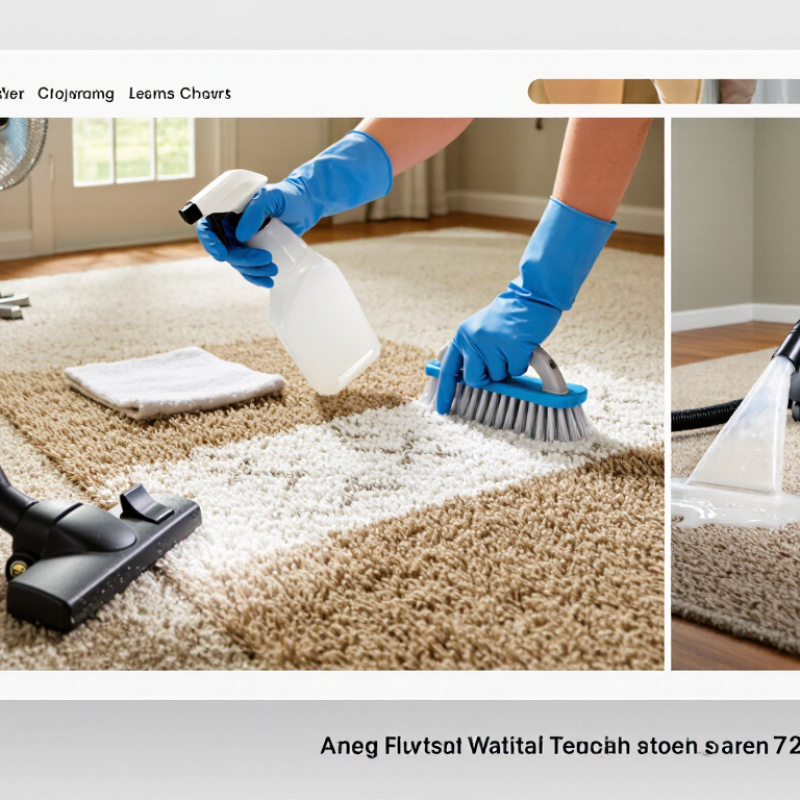
How to Use Valetpro Classic Carpet Cleaner Effectively

Understanding ValetPRO Classic Carpet Cleaner and Its Best Uses

A classic carpet cleaner is designed to loosen embedded soil, body oils, and drink marks from fabric fibers. Its best use is routine interior cleaning, especially on carpets, floor mats, and cloth upholstery. I usually vacuum first, because wet cleaning cannot remove loose grit effectively. A dry surface reveals the real problem.

Dilute the cleaner according to the label, then test it on a hidden area. This matters. Some dyed fabrics can lose color or develop water marks. Apply a light, even mist rather than flooding the carpet. Agitate gently with a soft brush, focusing on door edges and pedal areas. Allow short dwell time, then extract with clean water. I have found that slow extraction removes more residue than repeated scrubbing.

Do not rush the drying stage. Open doors, improve airflow, and avoid replacing mats while the fibers remain damp. Lingering moisture can create unpleasant odors and may weaken carpet backing. For greasy stains, a second controlled treatment often works better than one aggressive pass.

I once used too much solution on a heavily soiled mat, and the result dried stiff. That mistake changed my method: less chemical, better vacuuming, and careful rinsing. The cleaner is useful, but technique decides the finish.

Preparing the Carpet and Diluting the Cleaner Correctly

How to Use a Classic Carpet Cleaner Effectively

Preparing the carpet properly improves cleaning results and reduces unnecessary moisture. Remove furniture, toys, and loose objects from the area. Vacuum slowly, especially along edges and beneath tables. Dry soil can block the cleaning solution from reaching deeper fibers. Check the carpet’s care label before applying any product. Test a hidden patch for color transfer or texture changes. Wait until the test area dries completely. Keep the room ventilated.

Dilution requires careful measurement, not guesswork. Follow the cleaner’s stated water-to-solution ratio exactly. Use a measuring jug and clean, lukewarm water. Very hot water may damage sensitive fibers or weaken certain backing materials. Add water first, then the concentrated cleaner, to reduce splashing and foam. Mix gently. Too much solution can leave a sticky residue and slow drying.

I once used a stronger mixture on a heavily soiled mat, expecting better results. It left the fibers stiff and attracted dust later. That mistake changed my routine. I now treat stubborn spots separately and keep the main solution moderate. Apply enough liquid to loosen soil, but avoid soaking the backing. Work in small sections with overlapping passes. Make slow extraction passes afterward. Touch the carpet with a clean, dry towel. It should feel slightly damp, never saturated. Allow full drying before replacing furniture.

Applying the Solution to Different Carpet Types

Different carpet fibers need different amounts of moisture and agitation. Vacuum slowly, especially along edges where grit collects. Test the cleaning solution on a hidden area first. Do not skip this test. Mix the solution exactly as directed, because stronger is not always better. Apply it with a measured sprayer, keeping the carpet damp rather than soaked. A white cloth can reveal color transfer before damage spreads.

Synthetic carpets usually tolerate moderate moisture and gentle brushing. Work in small sections, moving in overlapping passes to prevent visible cleaning lines. Loop-pile carpets need extra care. Use light pressure and avoid pulling the loops with a stiff brush. Natural fibers, such as wool, require less water and softer agitation. Blot carefully instead of scrubbing. Their surface can look clean while moisture remains underneath.

Older carpets may dry unevenly. I once applied too much solution near a doorway and created a darker edge after drying. That mistake showed me why controlled application matters. Use an extraction machine when appropriate, then improve airflow with open windows or fans. Check the carpet after it dries completely, not while it still looks damp. A second, targeted treatment is often safer than soaking the entire area.

How to Apply Carpet-Cleaning Solution to Different Carpet Types

Practical starting guidance for solution application and extraction passes

Use lighter application and fewer extraction passes on wool and other moisture-sensitive carpets. Synthetic low-pile carpets generally tolerate more even coverage, while high-pile and loop-pile carpets require thorough distribution and careful extraction. Always test an inconspicuous area and follow the solution label and carpet-fiber manufacturer’s instructions.

Agitating, Extracting, and Drying the Carpet Safely

Effective carpet cleaning depends on controlled agitation, thorough extraction, and careful drying. Vacuum loose soil before applying the cleaner. Test the solution on a hidden area first. This small step can prevent color bleeding or texture changes.

Work in small sections. Apply enough solution to loosen embedded dirt, but avoid soaking the backing. Agitate gently with a soft carpet brush, following the pile direction. Do not scrub aggressively. Excessive friction may roughen delicate fibers. Allow the cleaner a short dwell time, according to its label instructions. Then use an extraction machine with slow, overlapping passes. Make additional dry passes afterward. They remove leftover moisture more effectively.

Tips: Keep windows open when weather permits. Use fans to move air across the carpet, not directly into one wet spot. Lift furniture legs with protective blocks until the surface is dry. Check the carpet after several hours. It may feel dry on top while remaining damp underneath. I sometimes underestimate this stage, especially in thick carpet, so patience matters. Avoid walking on wet areas. If a musty smell develops, improve ventilation and reassess the moisture level before applying more product.

Checking the Results and Maintaining the Cleaned Carpet

After cleaning, do not judge the carpet while it is still damp. Wait until the fibers feel dry and cool, usually within several hours. Open windows, improve airflow, and keep foot traffic low. EPA guidance reports that indoor pollutant levels can be two to five times higher than outdoor levels, so drying and ventilation matter.

Use a white cotton towel to press several areas. Check the towel for brown transfer, remaining foam, or sticky residue. It looked clean. Not quite. My first inspection often misses darkened edges and flattened traffic lanes. Look beside furniture, near doorways, and under table legs. A clean surface should feel soft, smell neutral, and dry evenly. If residue remains, use less solution during the next pass. Repeated wet cleaning can push moisture deeper.

Maintenance should stay simple. Vacuum slowly twice weekly in busy rooms, then clean spills immediately with blotting motions. The Carpet and Rug Institute emphasizes controlled soil removal and correct equipment use in its testing guidance. IICRC S100 also stresses following fiber-care limits and avoiding excessive moisture. Record the cleaning date and drying time. That small note reveals patterns. If stains return after drying, the problem may be residue, wicking, or a damaged fiber, not poor effort. Do not keep adding detergent. A professional inspection is safer when the carpet remains damp, develops an odor, or shows spreading discoloration.

FAQS

What surfaces can a classic carpet cleaner handle?

It works on carpets, floor mats, and cloth upholstery. It helps loosen soil, body oils, and drink marks. Check the care label first.

Should I vacuum before using the cleaner?

Yes. Vacuum slowly along edges and beneath furniture. Loose grit can block the cleaning solution. A dry surface shows the real stains.

How should I dilute the cleaner?

Follow the stated water-to-solution ratio exactly. Use a measuring jug and clean, lukewarm water. Add water first. Then add the cleaner gently.

Why should I test a hidden area?

Some dyed fabrics may bleed or develop water marks. Test a small hidden patch first. Let it dry completely before judging the result.

How much solution should I apply?

Use a light, even mist. Work in small sections. Avoid soaking the carpet backing. Too much liquid can leave sticky residue and slow drying.

How should I agitate stubborn carpet areas?

Use a soft brush and gentle pressure. Follow the carpet pile direction. Focus on door edges, pedal areas, and visibly greasy spots. Do not scrub aggressively.

What is the best extraction method?

Allow a short dwell time according to the label. Use slow, overlapping extraction passes. Make extra dry passes afterward. They remove more moisture.

How can I dry the carpet properly?

Open doors and improve airflow. Use fans across the carpet. Check underneath thick areas after several hours. The surface can feel dry while the backing remains damp.

What happens if I use too much cleaner?

Fibers may dry stiff and attract dust later. I made this mistake on a heavily soiled mat. Less chemical and better rinsing worked better.

What should I do if a musty smell develops?

Stop adding product. Improve ventilation and reassess moisture levels. Keep mats out until fully dry. My judgment can be imperfect here, especially with thick carpet.

Conclusion

Valetpro Classic Carpet Cleaner is a versatile solution for refreshing carpets, removing everyday dirt, and improving the appearance of tired fibers. Before use, vacuum the carpet thoroughly, test a small hidden area for colorfastness, and remove furniture or obstacles. Follow the product’s recommended dilution ratio carefully, using clean water and avoiding an overly concentrated mixture that could leave residue or affect delicate fibers.

Apply the diluted solution evenly according to the carpet type, using less moisture on natural or sensitive materials. Gently agitate heavily soiled areas to loosen embedded dirt, then extract the solution with suitable equipment. Avoid oversaturating the carpet, as excessive moisture can lengthen drying time and create unwanted odors. Allow the carpet to dry completely with good airflow before walking on it or replacing furniture. Finally, inspect the results, repeat treatment only where necessary, and maintain the carpet through regular vacuuming and prompt spot cleaning.


Liam

Liam

Liam is a dedicated marketing professional with a profound expertise in the industry, where he excels at highlighting the unique advantages of our core products. With a keen understanding of market trends and consumer needs, Liam frequently updates our company’s professional blog, providing......