Choosing the best Small Carpet Steam Cleaner in 2026 is not about buying the loudest machine or the one with the longest feature list. It is about matching the cleaner to your carpet, room size, water access, and drying time. A compact cleaner should lift coffee rings from a hallway runner without leaving the backing soaked. It should also reach under furniture, carry comfortably, and store beside a vacuum.
Carpet-care expert Lisa Wagner often emphasizes a simple rule: “The machine must match the fiber, soil, and drying conditions.” That principle matters when comparing heating systems, brush action, tank capacity, hose length, and extraction strength. No machine wins every room. A powerful unit may clean deeply but feel awkward on stairs. A lighter model may handle small spills beautifully yet struggle with thick, matted carpet.
This guide examines those trade-offs with practical testing points. We will consider real cleaning situations, including muddy entryways, pet accidents, and old food stains. We will also look at noise, maintenance, replacement parts, and moisture control. These details are easy to ignore. They should not be.
A cleaner that sprays heavily but extracts poorly can create a damp smell by evening. That is a disappointing lesson. However, product specifications can mislead, and user reviews sometimes overlook long-term reliability. The best choice is usually the model that performs consistently, dries carpets reasonably quickly, and remains simple enough to use after a tiring day.
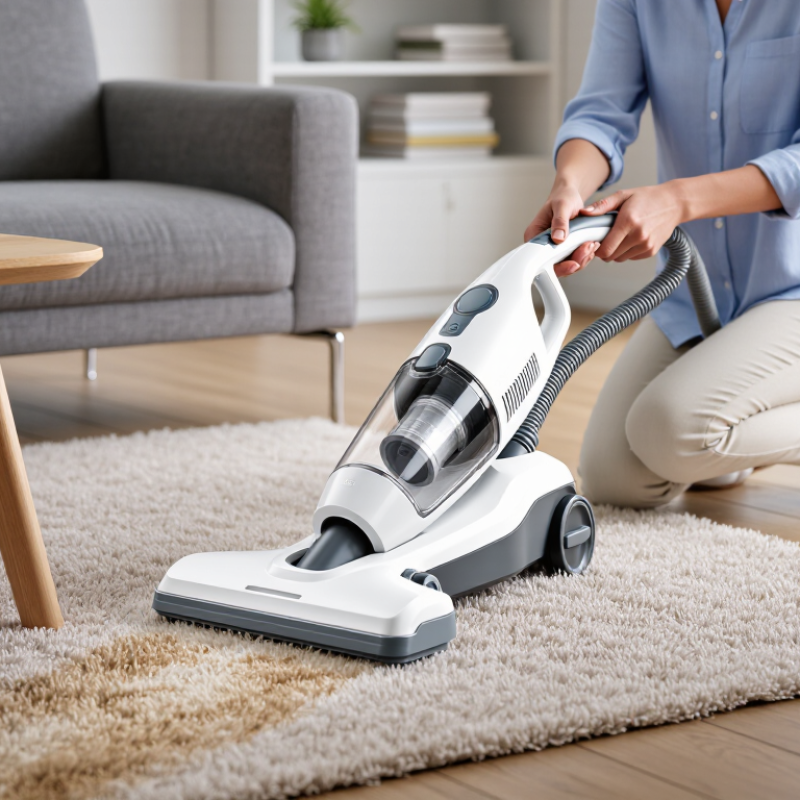
Small carpet steam cleaners are not one uniform tool. Their design determines where they work best. A handheld steam cleaner suits stairs, car mats, and narrow corners. It uses hot vapor to loosen surface grime and reduce odors. A compact extraction cleaner sprays water, agitates fibers, and removes dirty moisture. It is more suitable for drink spills and larger patches. A lightweight upright model covers room-sized carpets faster. More power is not always better.
For fresh spills, an extraction model usually gives more practical control. Steam may loosen sticky residue, but it can leave moisture behind. Old, oily marks often need gentle pretreatment and repeated passes. I once used excessive steam on a small rug. The fibers dried unevenly, and the texture changed slightly. That mistake mattered. Always check the carpet label and test an hidden corner first. Wool, silk, and delicate dyed fibers may react badly to heat or moisture.
When comparing models, examine tank size, hose length, weight, and drying performance. A smaller tank feels easier to carry, but it requires frequent refilling. Strong suction is valuable because damp carpet can develop odors. Adjustable steam settings also help protect sensitive surfaces. Follow the manufacturer’s instructions and ventilate the room after cleaning. If the carpet remains wet for many hours, the machine or method may be unsuitable. Stop and reassess.
A small carpet cleaner should match the rooms you actually clean, not just fit neatly in a cupboard. Measure the stained area and consider whether you need to refresh one stair, a hallway, or several rooms. A compact tank is lighter, but it may need frequent refilling on larger carpets. That gets old quickly. Check the cord length and tool reach, too, especially if outlets are awkwardly placed.
Fabric matters as much as floor space. Read the carpet care label before using heated water or a cleaning solution. Wool, delicate blends, and some backing materials may not tolerate aggressive heat or moisture. If the label is missing, test a hidden patch and let it dry fully. A little caution beats a pale, clean-looking spot surrounded by a new mark.
Think about the stains you face most often. Fresh drink spills, muddy footprints, and ground-in pet residue may need different pretreatment and repeated extraction. Choose a cleaner with a hose and narrow nozzle for edges and upholstery, if those jobs are common. Look for removable tanks that are easy to rinse; residue left inside can cause odors. It is tempting to buy the strongest machine available, but stronger suction or heat cannot make every stain disappear. Check the care instructions, use measured detergent, and allow enough drying time. A slightly slower clean can be the safer choice.
Fiber type and stain severity should guide the cleaning method. This practical 1–5 scale reflects general carpet-care requirements: higher scores indicate greater suitability for careful home steam cleaning and greater tolerance for moisture and heat. Always follow the carpet manufacturer’s care label.
How to read the chart: Synthetic fibers such as nylon, polyester, and olefin generally tolerate moisture better than wool. Wool requires lower heat, limited moisture, and slower drying. For heavy, oily, or set-in stains, prioritize adjustable steam control, strong extraction, and fast drying rather than steam temperature alone.
In 2026, judge a small carpet steam cleaner by more than its tank size. Check its cleaning head width, hose reach, cord length, and weight when full. A narrow head helps around chair legs, but may mean slower cleaning across a hallway. The Carpet and Rug Institute’s Seal of Approval testing considers cleaning effectiveness and water removal, useful benchmarks when comparing machines. Look for comparable test information, not just impressive claims.
Performance depends on how much soil the cleaner lifts and how much moisture it leaves behind. The U.S. Environmental Protection Agency recommends indoor relative humidity below 60%, ideally between 30% and 50%, to help limit mold growth. That is a sensible safety check after cleaning, especially in a cool room with little airflow. Empty the dirty-water tank promptly. Follow the carpet maker’s care instructions, too; “steam” in a product name does not guarantee compatibility with every fiber.
Ease matters. A clear tank makes dirty water visible, while a wide opening is easier to rinse at the sink. Check whether the nozzle detaches and whether replacement filters are readily available. Small details count. A lighter machine can still feel awkward when its hose pulls sideways. I would test the grip and balance before buying, if possible; specifications cannot quite capture that. Some carpets may need a second pass, so avoid assuming one quick cleaning will do everything.
A small carpet cleaner is only convenient if its tanks match the mess you expect to tackle. Check both the clean-water tank and the recovery tank; some models need emptying before the solution runs out. A narrow tank opening can also make rinsing awkward. For a quick check, picture cleaning a muddy entry rug, not just a small coffee spot. Capacity matters.
Attachments should suit the surfaces in your home. A compact hand tool can reach stair corners and car upholstery, while a wider head may cover area rugs faster. Look for clear instructions on which fabrics and cleaning solutions are suitable. More attachments are not always better. Extra pieces can clutter a cupboard, and a tool that never fits your needs is wasted weight.
Maintenance affects how well a cleaner works over time. Removable tanks, accessible filters, and a hose that can be flushed make routine care less of a chore. Follow the manual’s guidance, and let parts dry before storing them; trapped moisture can cause unpleasant odors. Storage deserves a real measurement. Check the unit’s height with its handle, plus room for the hose and tools. It is easy to focus on cleaning performance and overlook where the machine will live. That choice can be regrettable.
A small carpet cleaner should fit the messes you actually face, not an imaginary whole-house deep clean. For a weekly routine with muddy entryway marks or spills near the sofa, compare tank capacity, hose reach, and how easily the machine empties. A compact tank saves storage space but may need refilling halfway through a larger job. That gets old. Check the details.
Set a budget that includes more than the purchase price. Look at replacement filters, cleaning solution requirements, and whether brushes can be removed for rinsing. If you clean stairs or car mats, a lightweight unit with a flexible hose may matter more than extra power settings. For occasional small stains, a basic model may be enough; frequent pet accidents call for sturdy parts and simple cleanup. Also check drying guidance: carpet that stays damp can develop an unpleasant smell. “Steam cleaner” can describe different technologies, so read whether a model sprays and extracts water or uses heat in another way. I would compare those claims carefully; product descriptions can be a little vague. Test any cleaner on a hidden patch first, especially on delicate or color-sensitive carpet.
Handheld steam cleaners suit stairs, car mats, and narrow corners. Compact extraction cleaners handle spills and larger patches. Lightweight upright models cover room-sized carpets faster.
A compact extraction cleaner usually offers better control. It sprays water, agitates fibers, and removes dirty moisture. Steam can leave the carpet damp.
No. Wool, silk, and delicate dyed fibers may react poorly to heat or moisture. Test a hidden corner first.
Check tank size, hose length, weight, suction, and drying performance. Adjustable steam settings can protect sensitive surfaces. Small tanks need frequent refilling.
Not necessarily. Excessive heat or moisture can change carpet texture. I once overused steam on a small rug. That was my mistake.
Include replacement filters, cleaning solutions, and removable brushes. A cheaper machine may cost more when parts need frequent replacement.
Choose a lightweight unit with a flexible hose. Easy carrying matters more than extra power in tight spaces.
Improve ventilation and check the machine’s drying performance. If dampness lasts many hours, stop and reassess the method. Something may be unsuitable.
Choosing the best Small Carpet Steam Cleaner in 2026 starts with understanding the different types available and matching them to your cleaning needs. Consider the size of your carpets, fabric sensitivity, common stains, and how often you plan to clean. Compact spot cleaners may suit small spills and limited areas, while more powerful models can handle larger sections and deeper buildup. Pay attention to heat performance, suction strength, drying time, safety features, controls, and overall ease of use.
A practical choice should also offer a suitable water tank capacity, useful attachments, simple maintenance, and convenient storage. Removable tanks, washable components, clear instructions, and easy access to cleaning parts can make regular use much less demanding. Finally, compare these features with your budget and routine rather than choosing based only on maximum power. The ideal model should provide reliable results, comfortable handling, efficient water use, and enough versatility for your carpets without adding unnecessary cost or complexity.

ClanZhao New Material